How High Arches Affect Foot Health

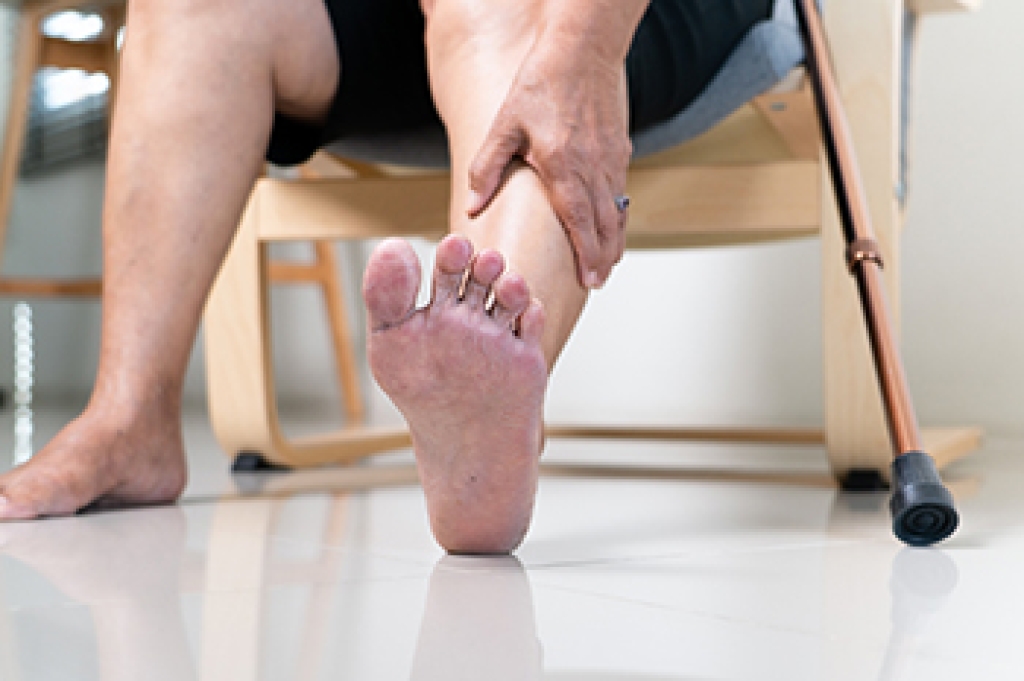
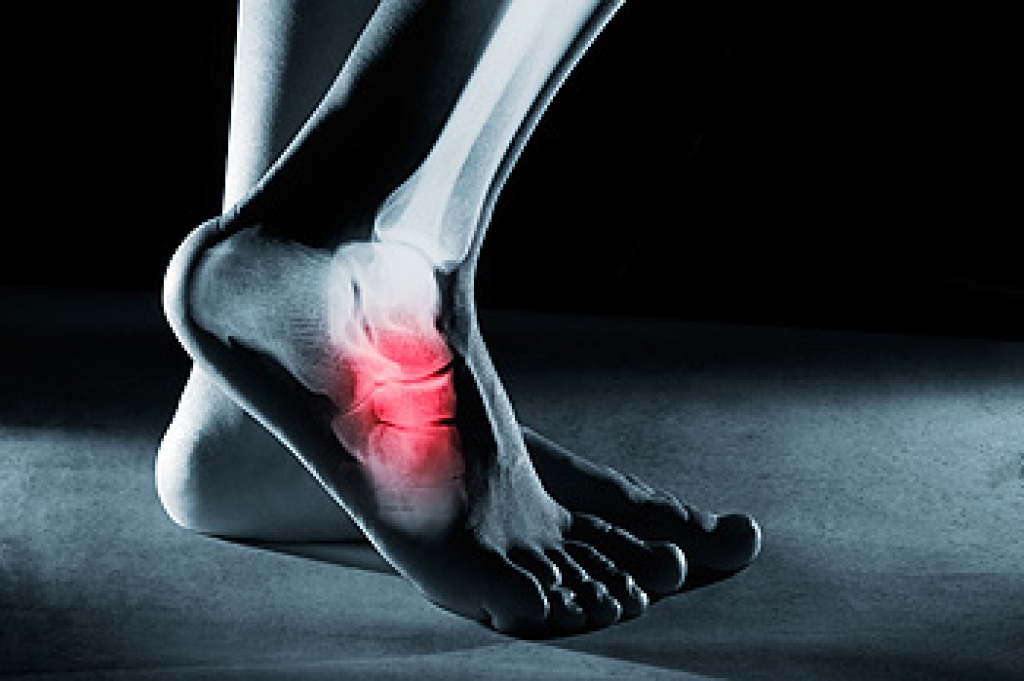
High-arches, also known as cavus foot, occur when the arch is raised higher than normal, which changes how pressure is distributed across the foot. Instead of spreading weight evenly, pressure is concentrated on the heels, balls of the foot, and the outer edge of the feet. This often leads to toe and ankle pain, and increases the likelihood of instability. Because a high arch is less flexible and absorbs less shock, the foot tends to roll outward when walking, which raises the risk of ankle sprains and stress fractures. Symptoms linked to  high arches include calluses, hammertoes, claw toes, or discomfort in the ball of the foot. Over time, persistent pressure can also contribute to plantar fasciitis or Achilles tendonitis. A podiatrist can evaluate foot structure, assess gait, and recommend treatment to improve function or, if needed, surgery to correct severe deformities. If you have high arch pain, it is suggested that you schedule an appointment with a podiatrist for expert advice and appropriate treatment.

If you have any concerns about your feet, contact Kelly Whaley, DPM from Ohio. Our doctor can provide the care you need to keep you pain-free and on your feet.

Biomechanics in Podiatry

Podiatric biomechanics is a particular sector of specialty podiatry with licensed practitioners who are trained to diagnose and treat conditions affecting the foot, ankle and lower leg. Biomechanics deals with the forces that act against the body, causing an interference with the biological structures. It focuses on the movement of the ankle, the foot and the forces that interact with them.

A History of Biomechanics

  • Biomechanics dates back to the BC era in Egypt where evidence of professional foot care has been recorded.
  • In 1974, biomechanics gained a higher profile from the studies of Merton Root, who claimed that by changing or controlling the forces between the ankle and the foot, corrections or conditions could be implemented to gain strength and coordination in the area.

Modern technological improvements are based on past theories and therapeutic processes that provide a better understanding of podiatric concepts for biomechanics. Computers can provide accurate information about the forces and patterns of the feet and lower legs.

Understanding biomechanics of the feet can help improve and eliminate pain, stopping further stress to the foot.

If you have any questions please feel free to contact our office located in Willoughby, OH . We offer the newest diagnostic and treatment technologies for all your foot and ankle needs.

Read more about Biomechanics in Podiatry

Do You Suffer From Painful Feet?

Painful deformities, such as hammertoes, can be treated. Stop living with foot pain, and have beautiful feet again!

Causes of Numbness in the Toes

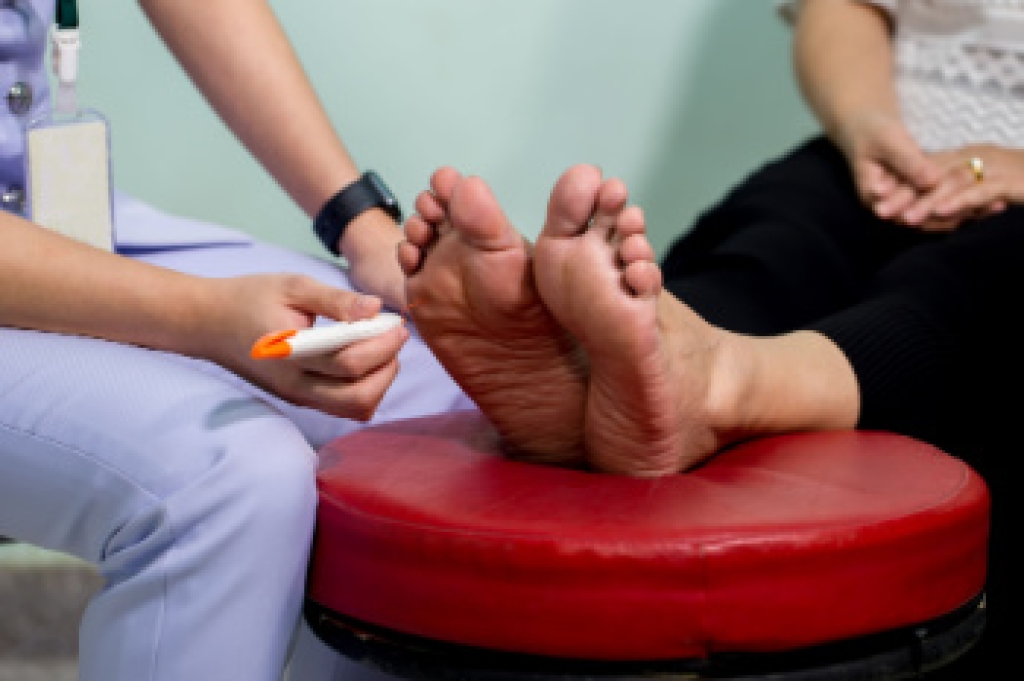
Toe numbness is also known as obdormition, which means when  a part of the body "goes to sleep.” Numbness can be a concerning symptom that affects daily comfort and balance. It may result from peripheral neuropathy, diabetic neuropathy, lower levels of vitamin B12, cardiovascular disease, or certain medications that interfere with nerve function. Numbness can appear as tingling, reduced sensation, or a feeling that the toes are asleep. A podiatrist can identify the underlying cause through a detailed examination, provide treatments to improve nerve health, and recommend lifestyle changes or supportive footwear to enhance circulation and comfort. Early evaluation is important to prevent the condition from progressing. If you are experiencing toe numbness, it is suggested that you consult a podiatrist who can offer effective relief solutions to restore proper sensation. 

Toe pain can disrupt your daily activities. If you have any concerns, contact Kelly Whaley, DPM of Ohio. Our doctor can provide the care you need to keep you pain-free and on your feet.

What Causes Toe Pain?

Most severe toe pain is caused due to a sports injury, trauma from dropping something heavy on the toe, or bumping into something rigid. Other problems can develop over time for various reasons.

Toe pain can be caused by one or more ailments. The most common include:

  • Trauma
  • Sports injury
  • Wearing shoes that are too tight
  • Arthritis
  • Gout
  • Corns and calluses
  • Hammertoe
  • Bunions
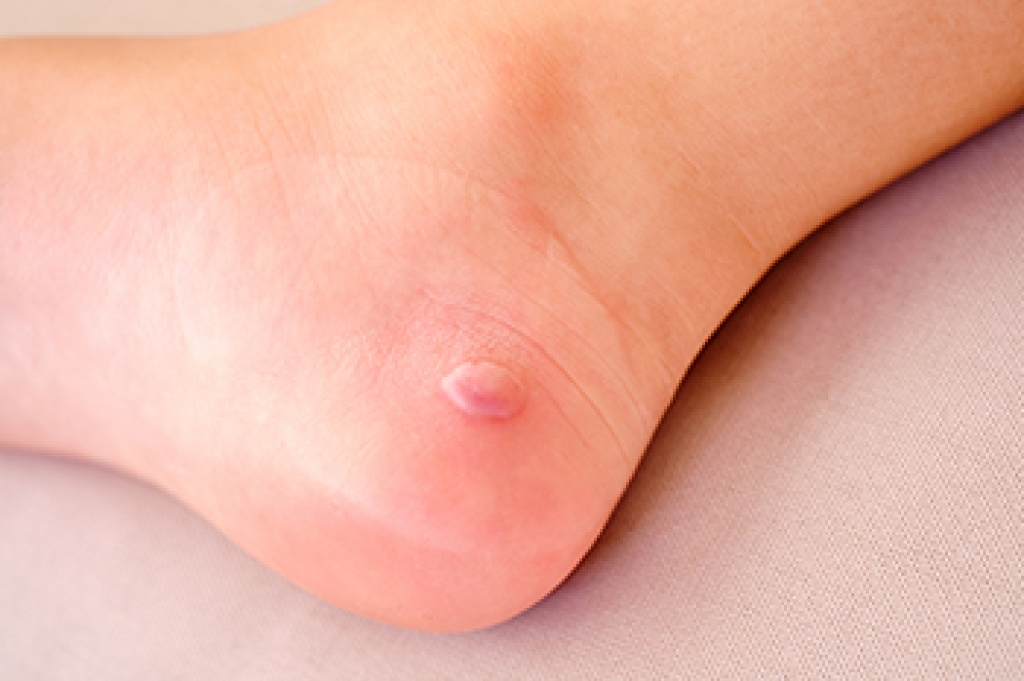
  • Blisters
  • Ingrown toenails
  • Sprains
  • Fractures (broken bones)
  • Dislocations

When to See a Podiatrist

  • Severe pain
  • Persistent pain that lasts more than a week
  • Signs of infection
  • Continued swelling
  • Pain that prevents walking

Diagnosis

In many cases the cause of toe pain is obvious, but in others, a podiatrist may want to use more advanced methods to determine the problem. These can range from simple visual inspections and sensation tests to X-rays and MRI scans. Prior medical history, family medical history, and any recent physical traumatic events will all be taken into consideration for a proper diagnosis.

Treatment

Treatments for toe pain and injuries vary and may include shoe inserts, padding, taping, medicines, injections, and in some cases, surgery. If you believe that you have broken a toe, please see a podiatrist as soon as possible.

If you have any questions please contact our office located in Willoughby, OH . We offer the newest diagnostic and treatment technologies for all your foot and ankle needs.

Read more about Toe Pain

Causes of Swollen Feet and Ankles

Swollen feet and ankles can occur for many reasons and may signal an underlying health issue. Common causes include eating too much salt, pregnancy, hormonal changes, insect bites, or reactions to certain medications. Swelling can also indicate poor circulation, injury, or inflammation. While mild swelling may resolve with rest and elevation, persistent or painful swelling should not be ignored. A podiatrist can evaluate the cause, perform diagnostic tests, and recommend treatments to reduce discomfort and improve circulation. If your feet or ankles are frequently swollen or painful, it is suggested that you schedule a visit with a podiatrist who can determine the cause and offer effective relief and treatment remedies.

Swollen feet can be a sign of an underlying condition. If you have any concerns, contact Kelly Whaley, DPM of Ohio. Our doctor can provide the care you need to keep you pain-free and on your feet.

Swollen feet are a common ailment among pregnant women and people who stand or sit for extended periods. Aging may increase the possibility of swollen feet and patients who are obese often notice when their feet are swelling too. There may be medical reasons why swollen feet occur:

  • Phlebitis - A condition that causes the veins to become inflamed and can also cause leg pain.
  • Liver disease - This may lead to low blood levels of albumin which is a protein. This can cause fluid in the blood to pass into the tissues and several areas of the body can become swollen.
  • Heart failure - When the heart doesn’t pump properly the blood that is normally pumped back to the heart can pool in the veins of the legs causing swollen feet.
  • Kidney disease - One of the main functions of the kidneys is releasing excess fluid in the body. This type of condition can make it difficult for the kidneys to function properly, and as a result the feet may become swollen.
  • Deep-vein thrombosis (DVT)- This is a serious condition where blood clots form in the veins of the legs. They can block the return of blood from the legs to the heart which may cause the feet to swell. It is important to be treated by a podiatrist if this condition is present.

Swollen feet can also be caused by bone and tendon conditions, including fractures, arthritis, and tendinitis. Additionally, there may be skin and toenail conditions and an infection may cause the feet to swell. Patients who take medicine to treat high blood pressure may be prone to getting swollen feet. 

Many patients elevate their feet to help relieve the swelling and this is generally a temporary remedy. When a podiatrist is consulted the reason behind the swelling can be uncovered and subsequently treated.

If you have any questions please contact our office located in Willoughby, OH . We offer the newest diagnostic and treatment technologies for all your foot and ankle needs.

Read more about Swelling of the Feet

Heel Pain in Children May Indicate Sever’s Disease

Sever’s disease, also known as calcaneal apophysitis, is a common cause of heel pain in growing children and adolescents. It occurs when the growth plate in the heel becomes inflamed due to repetitive stress or overuse. Symptoms include heel pain, swelling, and tenderness, especially during sports or physical activity. Risk factors include rapid growth spurts, participation in running or jumping sports, tight calf muscles, and wearing improper footwear. Causes are linked to repetitive pulling of the Achilles tendon on the heel bone. A podiatrist can evaluate the foot structure, recommend stretching, custom orthotics, footwear adjustments, and rest to relieve pain and prevent recurrence. If your active child has heel pain, it is suggested that you consult a podiatrist who can provide an accurate diagnosis and offer effective relief tips.

Sever's disease often occurs in children and teens. If your child is experiencing foot or ankle pain, see Kelly Whaley, DPM from Ohio. Our doctor can treat your child’s foot and ankle needs.

Sever’s Disease

Sever’s disease is also known as calcaneal apophysitis, which is a medical condition that causes heel pain I none or both feet. The disease is known to affect children between the ages of 8 and 14.

Sever’s disease occurs when part of the child’s heel known as the growth plate (calcaneal epiphysis) is attached to the Achilles tendon. This area can suffer injury when the muscles and tendons of the growing foot do not keep pace with bone growth. Therefore, the constant pain which one experiences at the back of the heel will make the child unable to put any weight on the heel. The child is then forced to walk on their toes.

Symptoms

Acute pain – Pain associated with Sever’s disease is usually felt in the heel when the child engages in physical activity such as walking, jumping and or running.

Highly active – Children who are very active are among the most susceptible in experiencing Sever’s disease, because of the stress and tension placed on their feet.

If you have any questions, please feel free to contact our office located in Willoughby, OH . We offer the newest diagnostic and treatment technologies for all your foot care needs.
Read more about Sever's Disease

Advanced Podiatric Procedures & Services in the Lake County and Cuyahoga County, OH areas