
How High Heels Affect Foot Health

Wearing high heels regularly can lead to a range of foot and ankle problems. The forward pitch of the foot in high heels places significant pressure on the forefoot, often leading to bunions, hammertoes, corns, and neuromas. Prolonged wearing of high heels can also contribute to plantar fasciitis, a painful condition involving the tissue on the bottom of the foot. High heels limit ankle mobility, which increases strain on the Achilles tendon and calf muscles. Over time, this can shorten and tighten the tendon, raising the risk of tendon tears and muscle cramping. The altered posture caused by high heels shifts the body's alignment and places extra stress on the ankle joints, leading to pain or instability. A podiatrist can assess the impact of wearing high heels on foot structure, recommend custom inserts, and determine whether surgery is needed for long-term problems. If you are experiencing foot or ankle pain from wearing high heels, it is suggested that you schedule an appointment with a podiatrist for an exam and appropriate treatment options.

High heels have a history of causing foot and ankle problems. If you have any concerns about your feet or ankles, contact Kelly Whaley, DPM from Ohio. Our doctor can provide the care you need to keep you pain-free and on your feet.

Effects of High Heels on the Feet

High heels are popular shoes among women because of their many styles and societal appeal.  Despite this, high heels can still cause many health problems if worn too frequently.

Which Parts of My Body Will Be Affected by High Heels?

  • Ankle Joints
  • Achilles Tendon – May shorten and stiffen with prolonged wear
  • Balls of the Feet
  • Knees – Heels cause the knees to bend constantly, creating stress on them
  • Back – They decrease the spine’s ability to absorb shock, which may lead to back pain.  The vertebrae of the lower back may compress.

What Kinds of Foot Problems Can Develop from Wearing High Heels?

  • Corns
  • Calluses
  • Hammertoe
  • Bunions
  • Morton’s Neuroma
  • Plantar Fasciitis

How Can I Still Wear High Heels and Maintain Foot Health?

If you want to wear high heeled shoes, make sure that you are not wearing them every day, as this will help prevent long term physical problems.  Try wearing thicker heels as opposed to stilettos to distribute weight more evenly across the feet.  Always make sure you are wearing the proper shoes for the right occasion, such as sneakers for exercising.  If you walk to work, try carrying your heels with you and changing into them once you arrive at work.  Adding inserts to your heels can help cushion your feet and absorb shock. Full foot inserts or metatarsal pads are available. 

If you have any questions, please feel free to contact our office located in Willoughby, OH . We offer the newest diagnostic and treatment technologies for all your foot care needs.
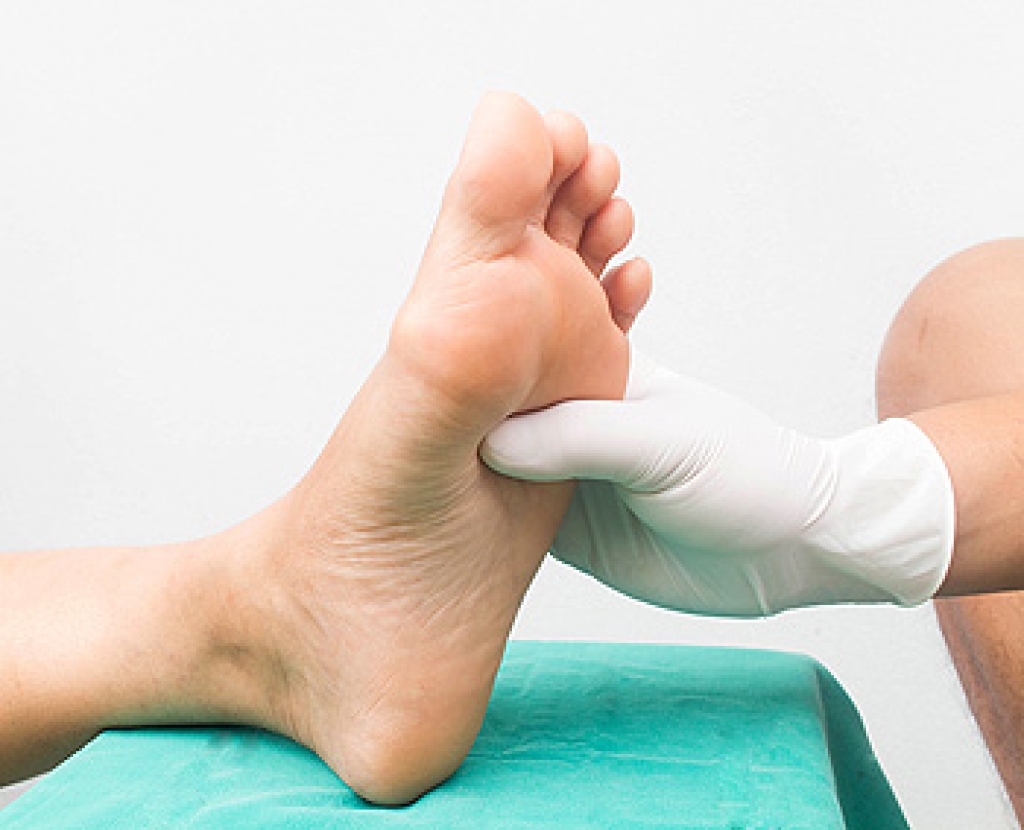
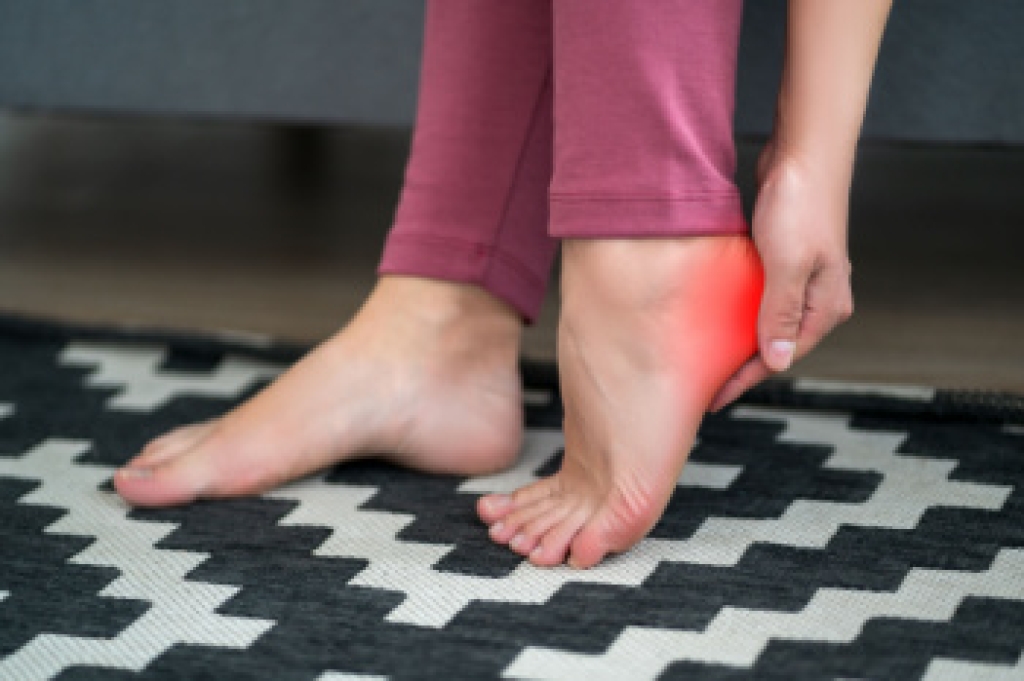
Read more about Effect of High Heels on the Feet

Foot Problems Related to Diabetes

Diabetic patients often face foot problems due to poor circulation and nerve damage, which may lead to numbness, tingling, or loss of feeling in the feet. This nerve damage, known as diabetic neuropathy, makes it harder to detect injuries like blisters, cuts, or pressure sores. Even small wounds can develop into serious infections if left untreated, especially when blood flow is reduced. In some cases, infections may become so severe that surgery is needed to remove affected tissue. Diabetes can also lead to structural foot changes, including Charcot’s foot, where weakened bones shift or break, resulting in deformity. If deformities occur, shoes may not fit properly, increasing the risk of skin breakdown. Regular evaluation by a podiatrist is important to monitor circulation, detect changes in foot structure, and prevent ulcers. A podiatrist can also provide appropriate footwear, custom inserts, or surgical correction, if needed. If you have foot pain that may be related to diabetes, it is suggested that you schedule regular appointments with  a podiatrist for ongoing foot care.

Diabetic foot care is important in preventing foot ailments such as ulcers. If you are suffering from diabetes or have any other concerns about your feet, contact Kelly Whaley, DPM from Ohio. Our doctor can provide the care you need to keep you pain-free and on your feet.

Diabetic Foot Care

Diabetes affects millions of people every year. The condition can damage blood vessels in many parts of the body, especially the feet. Because of this, taking care of your feet is essential if you have diabetes, and having a podiatrist help monitor your foot health is highly recommended.

The Importance of Caring for Your Feet

  • Routinely inspect your feet for bruises or sores.
  • Wear socks that fit your feet comfortably.
  • Wear comfortable shoes that provide adequate support.

Patients with diabetes should have their doctor monitor their blood levels, as blood sugar levels play such a huge role in diabetic care. Monitoring these levels on a regular basis is highly advised.

It is always best to inform your healthcare professional of any concerns you may have regarding your feet, especially for diabetic patients. Early treatment and routine foot examinations are keys to maintaining proper health, especially because severe complications can arise if proper treatment is not applied.

If you have any questions, please feel free to contact our office located in Willoughby, OH . We offer the newest diagnostic and treatment technologies for all your foot care needs.
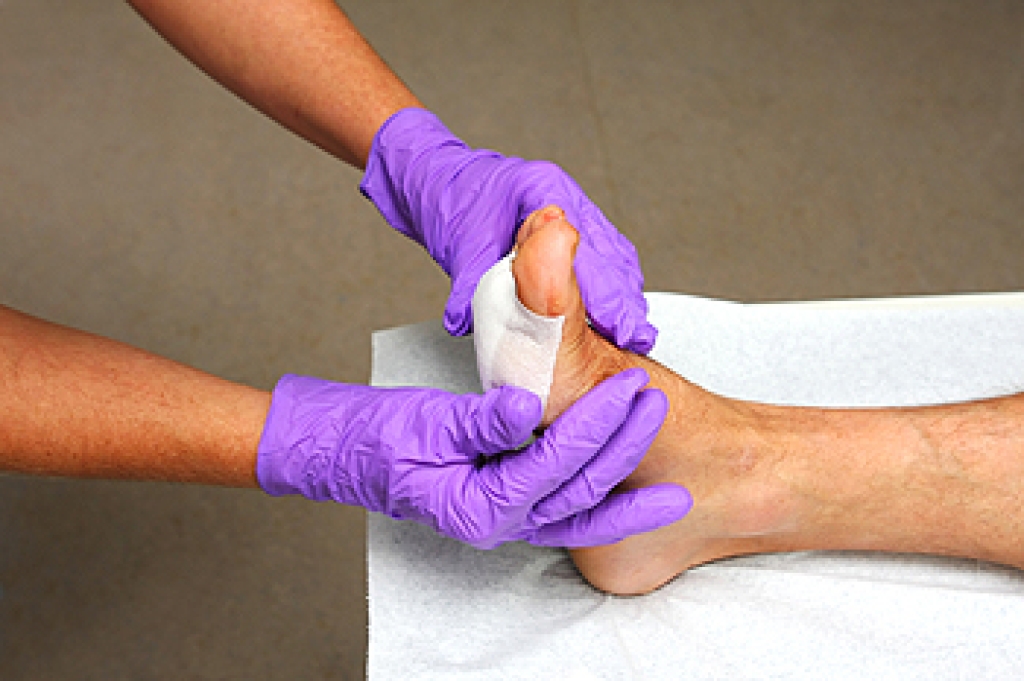
Read more about Diabetic Foot Care

Causes and Symptoms of Heel Spurs

Heel spurs are bony growths that develop on the underside of the heel bone, often due to long-term strain on foot muscles and ligaments. They are commonly associated with plantar fasciitis, a condition that causes inflammation of the band of tissue connecting the heel to the toes. People who run frequently, wear unsupportive shoes, or have flat feet or high arches are more likely to develop heel spurs. Symptoms include sharp, stabbing pain in the heel, especially with the first steps in the morning or after long periods of rest. The pain often eases with movement, but may return after standing or walking for extended periods of time. A podiatrist can diagnose heel spurs using a physical exam and imaging such as X-rays. Treatment includes custom orthotics, targeted exercises, or anti-inflammatory medications. In rare cases, surgery may be recommended. If you  have heel pain, it is suggested that you schedule an appointment with a podiatrist who can accurately diagnose and treat heel spurs.

Heel spurs can be incredibly painful and sometimes may make you unable to participate in physical activities. To get medical care for your heel spurs, contact Kelly Whaley, DPM from Ohio. Our doctor will do everything possible to treat your condition.

Heels Spurs

Heel spurs are formed by calcium deposits on the back of the foot where the heel is. This can also be caused by small fragments of bone breaking off one section of the foot, attaching onto the back of the foot. Heel spurs can also be bone growth on the back of the foot and may grow in the direction of the arch of the foot.

Older individuals usually suffer from heel spurs and pain sometimes intensifies with age. One of the main condition's spurs are related to is plantar fasciitis.

Pain

The pain associated with spurs is often because of weight placed on the feet. When someone is walking, their entire weight is concentrated on the feet. Bone spurs then have the tendency to affect other bones and tissues around the foot. As the pain continues, the feet will become tender and sensitive over time.

Treatments

There are many ways to treat heel spurs. If one is suffering from heel spurs in conjunction with pain, there are several methods for healing. Medication, surgery, and herbal care are some options.

If you have any questions, please feel free to contact our office located in Willoughby, OH . We offer the newest diagnostic and treatment technologies for all your foot care needs.

Read more about Heel Spurs

Caring for a Cut on the Bottom of the Foot

A cut on the bottom of the foot requires prompt and careful attention from a podiatrist to prevent infection and promote healing. This begins by gently cleaning the area with warm water and mild soap to remove dirt and debris. After the wound is cleaned, it is inspected for signs of foreign objects, excessive bleeding, or indicators of infection such as redness or swelling. The area is kept dry and covered with a clean dressing can support healing. Avoid walking barefoot to prevent further injury. If the cut is deep, painful, or not healing properly, it is strongly suggested that you schedule an immediate appointment with a podiatrist who can ensure the foot wound heals correctly and helps prevent complications that could affect mobility and overall foot health.

Wound care is an important part in dealing with diabetes. If you have diabetes and a foot wound or would like more information about wound care for diabetics, consult with Kelly Whaley, DPM from Ohio. Our doctor will assess your condition and provide you with quality foot and ankle treatment.

What Is Wound Care?

Wound care is the practice of taking proper care of a wound. This can range from the smallest to the largest of wounds. While everyone can benefit from proper wound care, it is much more important for diabetics. Diabetics often suffer from poor blood circulation which causes wounds to heal much slower than they would in a non-diabetic. 

What Is the Importance of Wound Care?

While it may not seem apparent with small ulcers on the foot, for diabetics, any size ulcer can become infected. Diabetics often also suffer from neuropathy, or nerve loss. This means they might not even feel when they have an ulcer on their foot. If the wound becomes severely infected, amputation may be necessary. Therefore, it is of the upmost importance to properly care for any and all foot wounds.

How to Care for Wounds

The best way to care for foot wounds is to prevent them. For diabetics, this means daily inspections of the feet for any signs of abnormalities or ulcers. It is also recommended to see a podiatrist several times a year for a foot inspection. If you do have an ulcer, run the wound under water to clear dirt from the wound; then apply antibiotic ointment to the wound and cover with a bandage. Bandages should be changed daily and keeping pressure off the wound is smart. It is advised to see a podiatrist, who can keep an eye on it.

If you have any questions please contact our office located in Willoughby, OH . We offer the newest diagnostic and treatment technologies for all your foot and ankle needs.

Read more about Wound Care

Get Proper Treatment for Ankle Injuries

If you're experiencing ankle pain, you may be suffering from an ankle injury. Sprains, fractures, Achilles tendonitis, and Achilles tendon ruptures are just some examples of potential ankle injuries. Don't wait for care for an ankle injury, as it may worsen over time. We can help!

Advanced Podiatric Procedures & Services in the Lake County and Cuyahoga County, OH areas