Causes and Solutions for Second Toe Pain

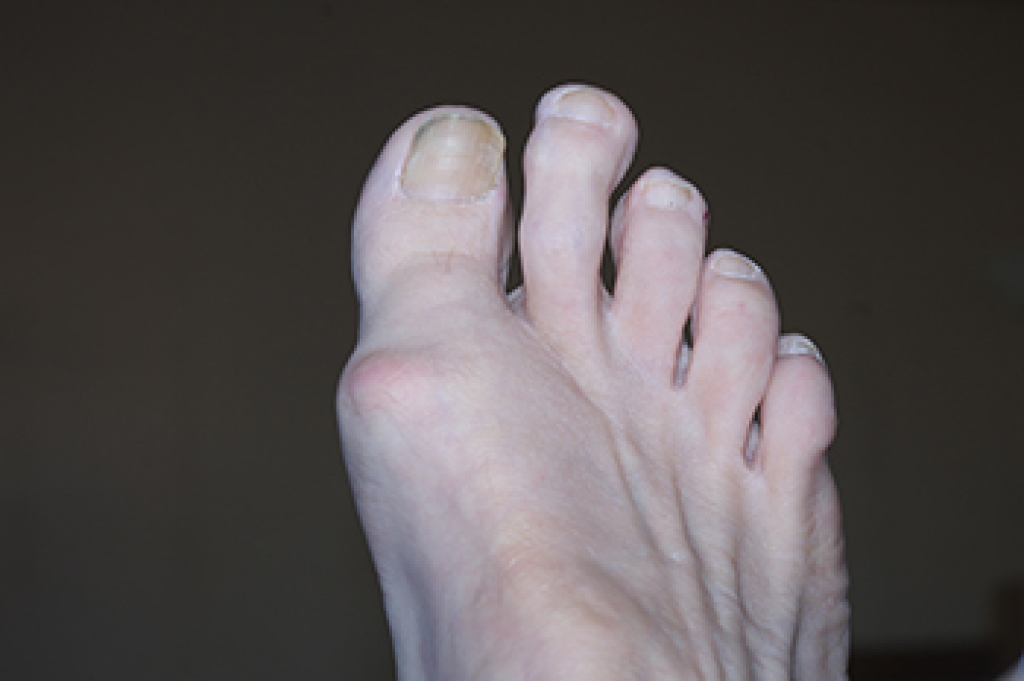
Second toe pain can be a bothersome and discomforting issue, impacting your daily activities and quality of life. Understanding the potential causes and effective treatments is crucial for finding relief and maintaining optimal foot health. One common culprit of second toe pain is wearing improperly fitting shoes. Tight, narrow, or pointy shoes can compress the toes, leading to discomfort and deformities such as hammertoes. High heels, which force excessive weight onto the toes, can exacerbate this problem. Another frequent cause is overuse or repetitive stress, often seen in athletes or individuals engaged in activities that involve pushing off with the toes. This can lead to conditions that can include metatarsalgia or stress fractures. To address second toe pain, begin by wearing comfortable, properly fitting shoes with adequate toe room. Wearing custom orthotics can provide additional support and alleviate pressure. Rest, and taking over-the-counter pain relievers can help manage acute pain, and exercises may be beneficial for chronic issues. If second toe pain persists or worsens, it is suggested that you consult a podiatrist for a proper diagnosis and tailored treatment plan.

Toe pain can disrupt your daily activities. If you have any concerns, contact Kelly Whaley, DPM of Ohio. Our doctor can provide the care you need to keep you pain-free and on your feet.

What Causes Toe Pain?

Most severe toe pain is caused due to a sports injury, trauma from dropping something heavy on the toe, or bumping into something rigid. Other problems can develop over time for various reasons.

Toe pain can be caused by one or more ailments. The most common include:

  • Trauma
  • Sports injury
  • Wearing shoes that are too tight
  • Arthritis
  • Gout
  • Corns and calluses
  • Hammertoe
  • Bunions
  • Blisters
  • Ingrown toenails
  • Sprains
  • Fractures (broken bones)
  • Dislocations

When to See a Podiatrist

  • Severe pain
  • Persistent pain that lasts more than a week
  • Signs of infection
  • Continued swelling
  • Pain that prevents walking

Diagnosis

In many cases the cause of toe pain is obvious, but in others, a podiatrist may want to use more advanced methods to determine the problem. These can range from simple visual inspections and sensation tests to X-rays and MRI scans. Prior medical history, family medical history, and any recent physical traumatic events will all be taken into consideration for a proper diagnosis.

Treatment

Treatments for toe pain and injuries vary and may include shoe inserts, padding, taping, medicines, injections, and in some cases, surgery. If you believe that you have broken a toe, please see a podiatrist as soon as possible.

If you have any questions please contact our office located in Willoughby, OH . We offer the newest diagnostic and treatment technologies for all your foot and ankle needs.
Read more about Toe Pain

Best Heel Heights for the Feet

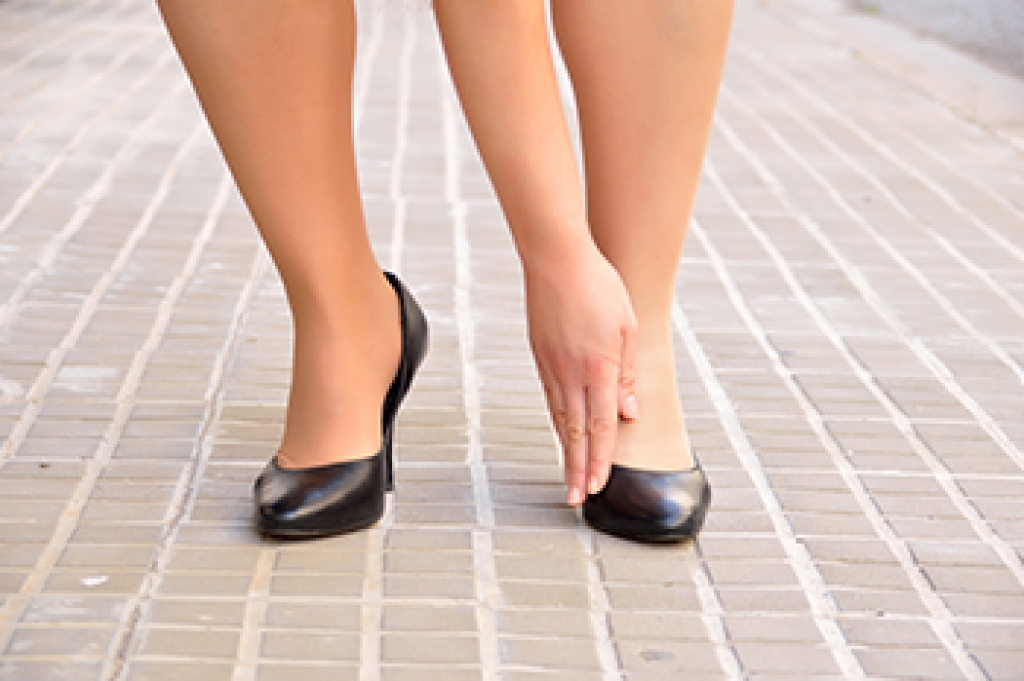
When it comes to high heels, opinions vary widely. Some find them elegant and empowering, while others associate them with discomfort. If you belong to the latter group, it might be because you have not discovered the right heel height for your feet. Comfort varies from person to person, depending on foot shape, shoe type, and experience with heels. The average heel height is around 3 inches, falling into the mid-height range. Low heels are 1 to 2 inches, while high heels are 3 to 4 inches. Finding your ideal heel height may require some experimentation. It's a good idea to prioritize foot health and alternate between heels and flats. To measure heel height, place the shoe on a flat surface and measure from the bottom of the heel to where it connects to the shoe. If you would like to wear heels, it is suggested that you make an appointment with a podiatrist to get advice on wearing this type of shoe for your particular feet and prioritizing style and comfort.

High heels have a history of causing foot and ankle problems. If you have any concerns about your feet or ankles, contact Kelly Whaley, DPM from Ohio. Our doctor can provide the care you need to keep you pain-free and on your feet.

Effects of High Heels on the Feet

High heels are popular shoes among women because of their many styles and societal appeal.  Despite this, high heels can still cause many health problems if worn too frequently.

Which Parts of My Body Will Be Affected by High Heels?

  • Ankle Joints
  • Achilles Tendon – May shorten and stiffen with prolonged wear
  • Balls of the Feet
  • Knees – Heels cause the knees to bend constantly, creating stress on them
  • Back – They decrease the spine’s ability to absorb shock, which may lead to back pain.  The vertebrae of the lower back may compress.

What Kinds of Foot Problems Can Develop from Wearing High Heels?

  • Corns
  • Calluses
  • Hammertoe
  • Bunions
  • Morton’s Neuroma
  • Plantar Fasciitis

How Can I Still Wear High Heels and Maintain Foot Health?

If you want to wear high heeled shoes, make sure that you are not wearing them every day, as this will help prevent long term physical problems.  Try wearing thicker heels as opposed to stilettos to distribute weight more evenly across the feet.  Always make sure you are wearing the proper shoes for the right occasion, such as sneakers for exercising.  If you walk to work, try carrying your heels with you and changing into them once you arrive at work.  Adding inserts to your heels can help cushion your feet and absorb shock. Full foot inserts or metatarsal pads are available. 

If you have any questions, please feel free to contact our office located in Willoughby, OH . We offer the newest diagnostic and treatment technologies for all your foot care needs.

Read more about Why High Heels Are Not Ideal for Healthy Feet

Laser Therapy and Toenail Fungus

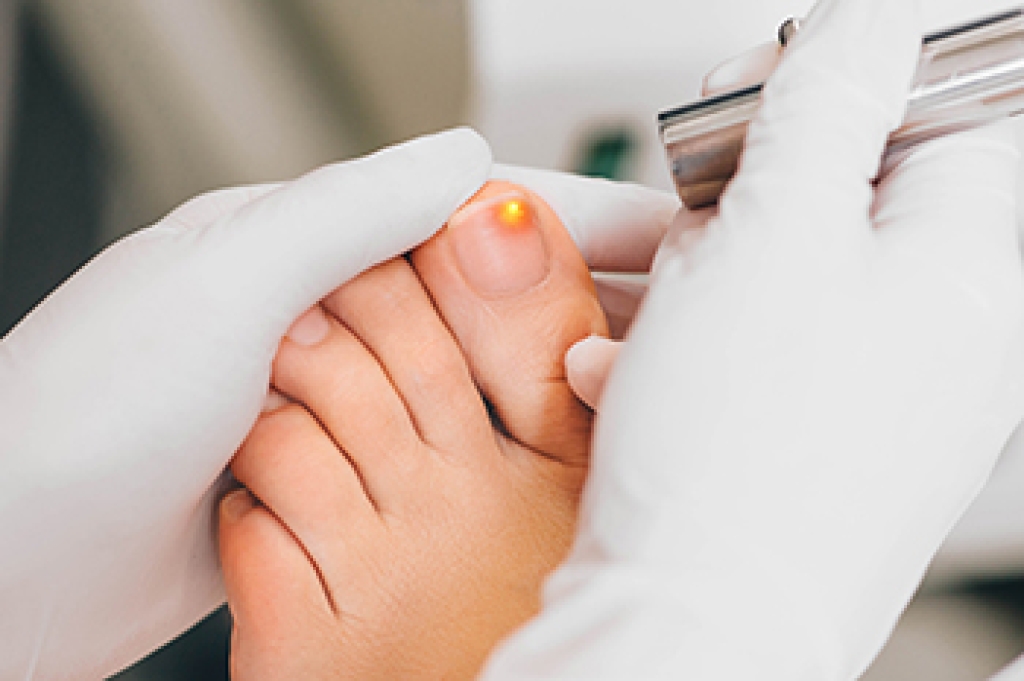
Toenail fungus, or onychomycosis, can be stubborn and challenging to treat with traditional methods. However, recent advancements in medical technology have introduced an effective alternative, which is known as laser therapy. This innovative approach utilizes concentrated beams of light to target and eliminate the fungus residing beneath the toenail. The laser treatment process begins with the application of the laser, which penetrates the nail. This specifically targets the fungal infection while leaving the surrounding healthy tissue unharmed. The laser generates heat, effectively eradicating the fungal cells and inhibiting their ability to regrow. Laser treatment offers several advantages. It is non-invasive, requires no anesthesia, and typically involves minimal discomfort. Additionally, it can be extremely effective, often requiring fewer sessions than traditional treatments. Patients can generally resume their daily activities immediately following the procedure. As with any medical treatment, consultation with a podiatrist is crucial in determining what the best approach is for your specific condition. Laser therapy represents a promising option in the battle against stubborn toenail fungus, offering a safe, efficient, and minimally disruptive solution to restore healthy and clear nails. If you are afflicted with toenail fungus, it is suggested that you seek the counsel of a podiatrist who can determine if laser treatment is right for you.

Laser treatment can be an effective way to get rid of toenail fungus. If you have any questions about laser treatment, consult with Kelly Whaley, DPM from Ohio. Our doctor will assess your condition and provide you with quality treatment for fungal nails.

What Are Toenail Fungal Infections?

Onychomycosis, or fungal infection of the nail, is a relatively common and non-serious condition. Around 10 percent of U.S. citizens are afflicted with fungal nails. Common forms of fungus that infect the nail include dermatophytes, yeasts, and molds.

Symptoms of Toenail Fungal Infections Include:

  • Nail thickening
  • Brittleness of the nail
  • Discoloration of the nail

Diagnosis for Fungal Nails

Fungal infections are diagnosed by fungal culture and microscopy. This will rule out any other conditions such as nail trauma, psoriasis, lichen planus, and onychogryphosis.

What Is Laser Treatment?

Laser treatment is a non-invasive, safe, quick, and painless procedure that uses the heat from a laser to kill fungus in the nail. Each infected nail is targeted with a laser for several minutes. The treatment is usually utilized several different times over a select period. During this time, a podiatrist will keep an eye on the infection.

If you have any questions, please feel free to contact our office located in Willoughby, OH . We offer the newest diagnostic and treatment technologies for all your foot care needs.

Read more about Laser Treatment for Fungal Nails

Symptoms and Treatment Insights for Cuboid Syndrome

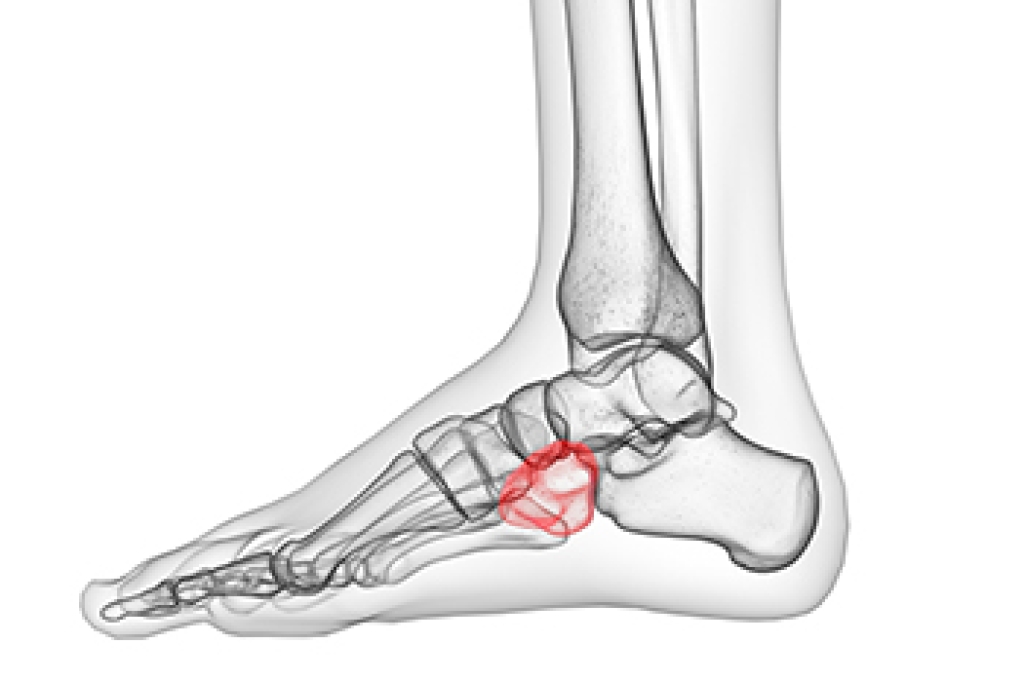
Cuboid syndrome, a lesser-known foot ailment, can cause significant discomfort and compromise daily activities. This condition occurs when the cuboid bone, located on the outer side of the foot, becomes misaligned, often due to excessive strain or trauma. Symptoms typically manifest as sharp pain on the outside side of the foot, often worsened during performing weight-bearing activities. Pain may radiate to the toes or even the ankle. Cuboid syndrome may cause walking and standing to become challenging, impacting overall mobility. Fortunately, effective treatment options exist. Manual manipulation by a podiatrist can realign the cuboid bone, offering quick relief. Additionally, rest, compression, and elevation can alleviate any inflammation and discomfort. Wearing custom orthotics may aid in maintaining proper foot mechanics, possibly preventing recurrence. Being aware of the symptoms and seeking timely treatment ensures a smoother road to recovery from cuboid syndrome. If you have pain in the lateral part of your foot, it is suggested that you consult with a podiatrist who can effectively treat cuboid syndrome.

Cuboid syndrome, also known as cuboid subluxation, occurs when the joints and ligaments near the cuboid bone in the foot become torn. If you have cuboid syndrome, consult with Kelly Whaley, DPM from Ohio. Our doctor will assess your condition and provide you with quality foot and ankle treatment.

Cuboid syndrome is a common cause of lateral foot pain, which is pain on the outside of the foot. The condition may happen suddenly due to an ankle sprain, or it may develop slowly overtime from repetitive tension through the bone and surrounding structures.

Causes

The most common causes of cuboid syndrome include:

  • Injury – The most common cause of this ailment is an ankle sprain.
  • Repetitive Strain – Tension placed through the peroneus longus muscle from repetitive activities such as jumping and running may cause excessive traction on the bone causing it to sublux.
  • Altered Foot Biomechanics – Most people suffering from cuboid subluxation have flat feet.

Symptoms

A common symptom of cuboid syndrome is pain along the outside of the foot which can be felt in the ankle and toes. This pain may create walking difficulties and may cause those with the condition to walk with a limp.

Diagnosis

Diagnosis of cuboid syndrome is often difficult, and it is often misdiagnosed. X-rays, MRIs and CT scans often fail to properly show the cuboid subluxation. Although there isn’t a specific test used to diagnose cuboid syndrome, your podiatrist will usually check if pain is felt while pressing firmly on the cuboid bone of your foot.

Treatment

Just as the range of causes varies widely, so do treatments. Some more common treatments are ice therapy, rest, exercise, taping, and orthotics.

If you have any questions, please feel free to contact our office located in Willoughby, OH . We offer the newest diagnostic and treatment technologies for all your foot care needs.

Read more about Cuboid Syndrome

Keep Your Feet Healthy So You Can Stay Active

Have your feet inspected by a professional before starting a new sport or physical activity. Taking charge of your foot health will keep you in good physical condition and can help you avoid a potential injury, such as a fracture or sprained ankle.

Prevent injuries and see a foot specialist.

Advanced Podiatric Procedures & Services in the Lake County and Cuyahoga County, OH areas