Common Foot and Ankle Injuries in Golf

Golf may seem gentle on the body, but it places specific demands on the feet and ankles. Repetitive motions, long hours of walking, and uneven terrain can lead to injuries over time. One of the most frequent issues golfers face is plantar fasciitis, causing heel pain that worsens during or after a round. Ankle sprains are another common problem, often resulting from unstable footing on hills or wet grass. Stress placed on the back foot during the swing can strain tendons and ligaments, particularly the Achilles tendon. Some golfers also develop tendonitis or joint pain from the twisting action required in the golf swing. If pain in your feet or ankles is limiting your time on the course, it is suggested you visit a podiatrist to diagnose the issue and explore treatments that can help you stay active and comfortable.

Ankle and foot injuries are common among athletes and in many sports. They can be caused by several problems and may be potentially serious. If you are feeling pain or think you were injured in a sporting event or when exercising, consult with Kelly Whaley, DPM from Ohio. Our doctor will assess your condition and provide you with quality foot and ankle treatment.

Common Injuries

The most common injuries that occur in sporting activities include:

  • Achilles Tendonitis
  • Achilles Tendon Rupture
  • Ankle Sprains
  • Broken Foot
  • Plantar Fasciitis
  • Stress Fractures
  • Turf Toe

Symptoms

Symptoms vary depending upon the injury and in some cases, there may be no symptoms at all. However, in most cases, some form of symptom is experienced. Pain, aching, burning, bruising, tenderness, tightness or stiffness, sensation loss, difficulty moving, and swelling are the most common symptoms.

Treatment

Just as symptoms vary depending upon the injury, so do treatment options. A common treatment method is known as the RICE method. This method involves rest, applying ice, compression and elevating the afflicted foot or ankle. If the injury appears to be more serious, surgery might be required, such as arthroscopic or reconstructive surgery. Lastly, rehabilitation or therapy might be needed to gain full functionality in the afflicted area. Any discomfort experienced by an athlete must be evaluated by a licensed, reputable medical professional.  

If you have any questions please contact our office located in Willoughby, OH . We offer the newest diagnostic and treatment technologies for all your foot and ankle needs.
Read more about Sports Related Foot and Ankle Injuries

Understanding Ingrown Toenails in Children

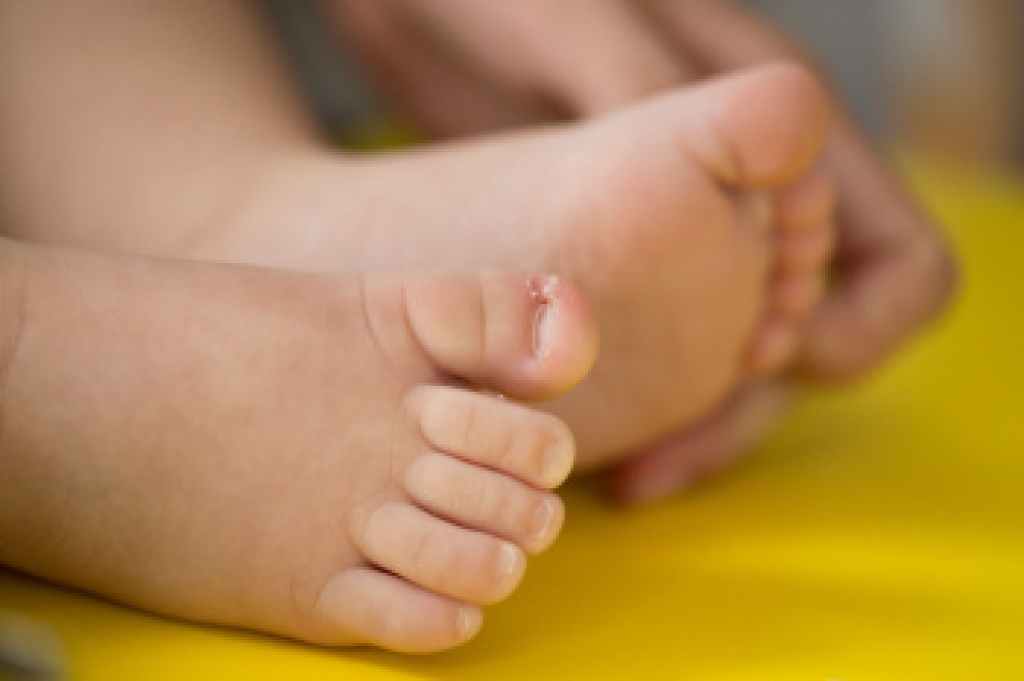
An ingrown toenail occurs when the edge of the nail grows into the surrounding skin, causing irritation and discomfort. In children, this can be caused by improper nail trimming, wearing tight shoes, injuries, or inherited nail shapes. Symptoms include redness, swelling, pain along the nail edge, and sometimes drainage if an infection develops. Children may avoid walking or show signs of discomfort during activity. A podiatrist can gently lift or remove the ingrown portion, treat any infection, and provide guidance to prevent recurrence. Early care is important to avoid worsening symptoms. If your child is showing signs of an ingrown toenail, it is suggested that you schedule an appointment with a podiatrist to ensure safe, effective treatment and lasting relief.

The health of a child’s feet is vital to their overall well-being. If you have any questions regarding foot health, contact Kelly Whaley, DPM of Ohio. Our doctor can provide the care you need to keep you pain-free and on your feet.

Tips for Keeping Children's Feet Healthy

  • Make sure their shoes fit properly
  • Look for any signs of in-toeing or out-toeing
  • Check to see if they have Clubfoot (condition that affects your child’s foot and ankle, twisting the heel and toes inward) which is one of the most common nonmajor birth defects.
  • Lightly cover your baby’s feet (Tight covers may keep your baby from moving their feet freely, and could prevent normal development)
  • Allow your toddler to go shoeless (Shoes can be restricting for a young child’s foot)
  • Cut toenails straight across to avoid ingrown toenails
  • Keep your child’s foot clean and dry
  • Cover cuts and scrapes. Wash any scratches with soap and water and cover them with a bandage until they’ve healed.

If you have any questions, please feel free to contact our office located in Willoughby, OH . We offer the newest diagnostic and treatment technologies for all your foot care needs.

Read more about How to Care for Your Child's Feet

Treatment for a Fractured Toe

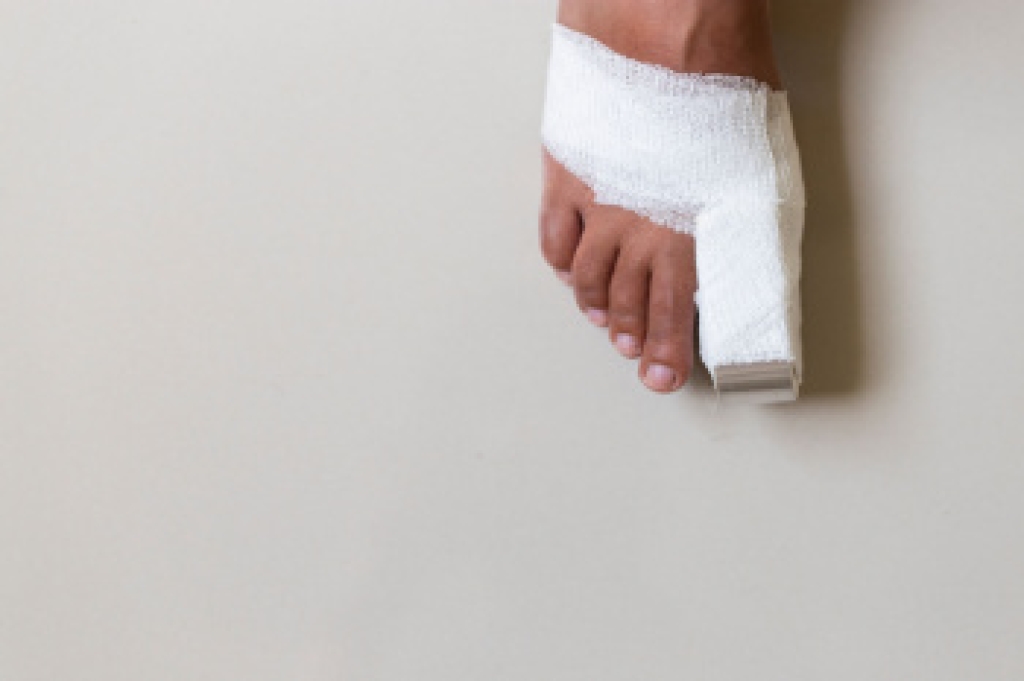
A broken toe occurs when one of the small bones in the toe sustains a fracture, typically due to trauma or repetitive stress. Symptoms of a fractured  toe include pain, swelling, bruising, or redness, along with difficulty bearing weight or moving the toe. A visibly deformed or angled toe can suggest a more severe break. Diagnosis usually involves a physical exam and imaging, such as an X-ray, to confirm the fracture and assess alignment. In some cases, more detailed imaging like an MRI scan may be required to detect stress fractures or ligament injuries. Treatment depends on the type and severity of the break. Supportive measures include buddy taping, splinting, or the use of a hard-soled shoe or walking boot to stabilize the toe during healing. Surgery may be necessary for displaced fractures or joint damage, and can involve pins or wires to maintain alignment. If you injure a toe or think it may be broken, it is suggested that you promptly schedule an appointment with a podiatrist for a diagnosis and appropriate treatment.

Broken toes may cause a lot of pain and should be treated as soon as possible. If you have any concerns about your feet, contact Kelly Whaley, DPM from Ohio. Our doctor will treat your foot and ankle needs.

What Is a Broken Toe?

A broken toe occurs when one or more of the toe bones of the foot are broken after an injury. Injuries such as stubbing your toe or dropping a heavy object on it may cause a toe fracture.

Symptoms of a Broken Toe

  • Swelling
  • Pain (with/without wearing shoes)
  • Stiffness
  • Nail Injury

Although the injured toe should be monitored daily, it is especially important to have a podiatrist look at your toe if you have severe symptoms. Some of these symptoms include worsening or new pain that is not relieved with medication, sores, redness, or open wounds near the toe.

If you have any questions please feel free to contact our office located in Willoughby, OH . We offer the newest diagnostic tools and technology to treat your foot and ankle needs.

Read more about What to Know About a Broken Toe

Facts About Ingrown Toenails

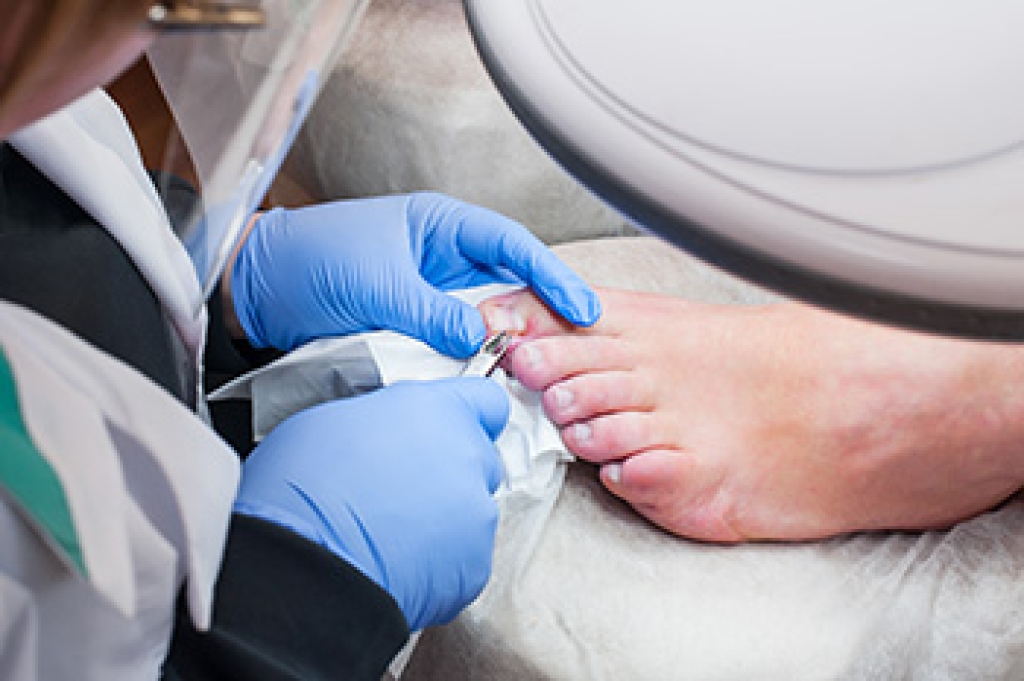
Ingrown toenails occur when the edge of the nail grows into the skin beside it, often affecting the big toe. This can cause swelling, pain, and redness. As an ingrown toenail worsens, the area may become infected, sometimes producing pus and increased tenderness. Common causes of ingrown toenails include trimming the nails too short or with rounded edges, wearing tight shoes, and repeated toe injuries.  Wearing high heels or shoes with a narrow toe box may increase pressure on the nail, adding to the risk of it growing into the skin. People who sweat heavily or have fungal nail infections may also be more prone to developing an ingrown toenail. If the toenail becomes infected or the pain becomes severe, surgery may be needed to remove part of the nail. A podiatrist can provide care that may include nail removal and other treatments to prevent the regrowth of the problem area. If you have symptoms of an ingrown toenail, it is suggested that you schedule an appointment with a podiatrist for appropriate treatment.

Ingrown toenails may initially present themselves as a minor discomfort, but they may progress into an infection in the skin without proper treatment. For more information about ingrown toenails, contact Kelly Whaley, DPM of Ohio. Our doctor can provide the care you need to keep you pain-free and on your feet.

Ingrown Toenails

Ingrown toenails are caused when the corner or side of a toenail grows into the soft flesh surrounding it. They often result in redness, swelling, pain, and in some cases, infection. This condition typically affects the big toe and may recur if it is not treated properly.

Causes

  • Improper toenail trimming
  • Genetics
  • Improper shoe fitting
  • Injury from pedicures or nail picking
  • Abnormal gait
  • Poor hygiene

You are more likely to develop an ingrown toenail if you are obese, have diabetes, arthritis, or have any fungal infection in your nails. Additionally, people who have foot or toe deformities are at a higher risk of developing an ingrown toenail.

Symptoms

Some symptoms of ingrown toenails are redness, swelling, and pain. In rare cases, there may be a yellowish drainage coming from the nail.

Treatment

Ignoring an ingrown toenail can have serious complications. Infections of the nail border can progress to a deeper soft-tissue infection, which can then turn into a bone infection. You should always speak with your podiatrist if you suspect you have an ingrown toenail, especially if you have diabetes or poor circulation.

If you have any questions, please feel free to contact our office located in Willoughby, OH . We offer the newest diagnostic and treatment technologies for all your foot care needs.

Read more about Ingrown Toenails

Heel Pain in the Morning?

Heel pain can negatively affect your day-to-day life. Simple activities like walking can become incredibly uncomfortable or painful due to heel pain.

Don’t live with heel pain and get treated.

Advanced Podiatric Procedures & Services in the Lake County and Cuyahoga County, OH areas