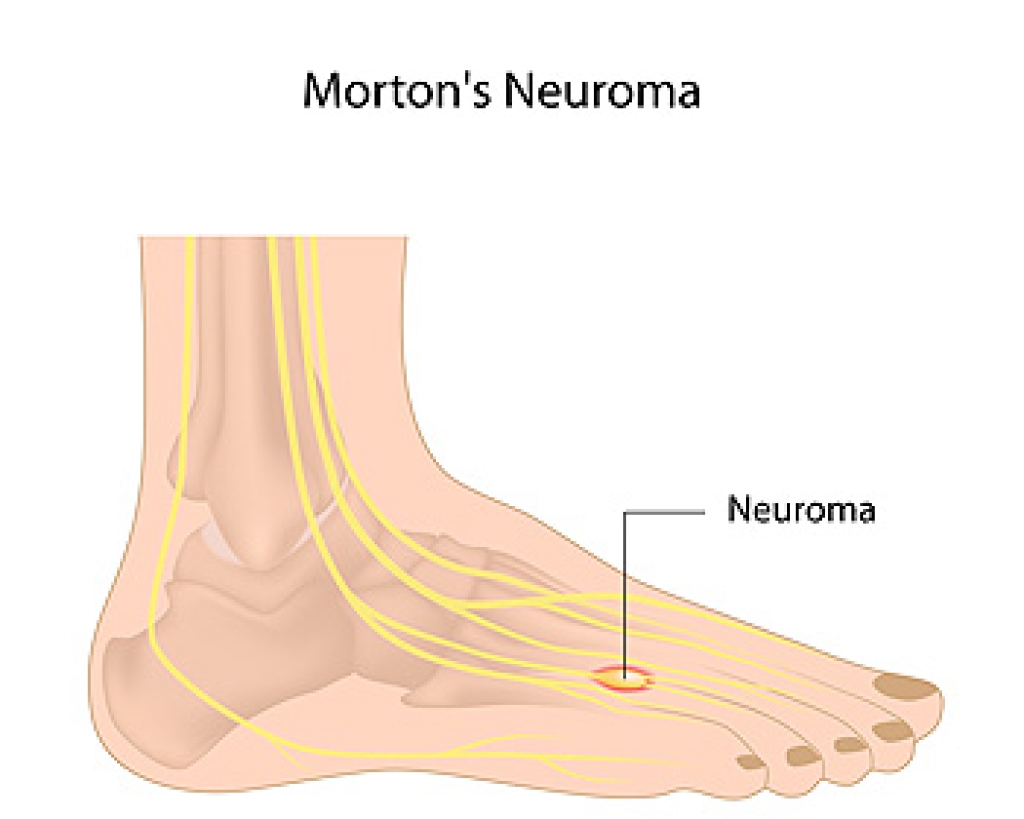
What Can Cause Morton’s Neuroma?

There are numerous nerves that are located in each foot. Morton’s neuroma can occur when a nerve in the ball of the foot becomes swollen, and may gradually become inflamed. Common symptoms that many patients experience can include a sharp or burning pain that is often felt between the third and fourth toes. It can be caused by wearing shoes that do not have adequate room for the toes to move freely. It is beneficial to refrain from activities that put pressure on the toes, and the affected foot may feel better when it is massaged and frequently elevated. If you have this condition, it is strongly suggested that you schedule an appointment with a podiatrist who can properly diagnose and treat Morton’s neuroma.

Morton’s neuroma is a very uncomfortable condition to live with. If you think you have Morton’s neuroma, contact Kelly Whaley, DPM of Ohio. Our doctor will attend to all of your foot care needs and answer any of your related questions.  

Morton’s Neuroma

Morton's neuroma is a painful foot condition that commonly affects the areas between the second and third or third and fourth toe, although other areas of the foot are also susceptible. Morton’s neuroma is caused by an inflamed nerve in the foot that is being squeezed and aggravated by surrounding bones.

What Increases the Chances of Having Morton’s Neuroma?

  • Ill-fitting high heels or shoes that add pressure to the toe or foot
  • Jogging, running or any sport that involves constant impact to the foot
  • Flat feet, bunions, and any other foot deformities

Morton’s neuroma is a very treatable condition. Orthotics and shoe inserts can often be used to alleviate the pain on the forefront of the feet. In more severe cases, corticosteroids can also be prescribed. In order to figure out the best treatment for your neuroma, it’s recommended to seek the care of a podiatrist who can diagnose your condition and provide different treatment options.

If you have any questions, please feel free to contact our office located in Willoughby, OH . We offer the newest diagnostic and treatment technologies for all your foot care needs.
Read more about What is Morton's Neuroma?

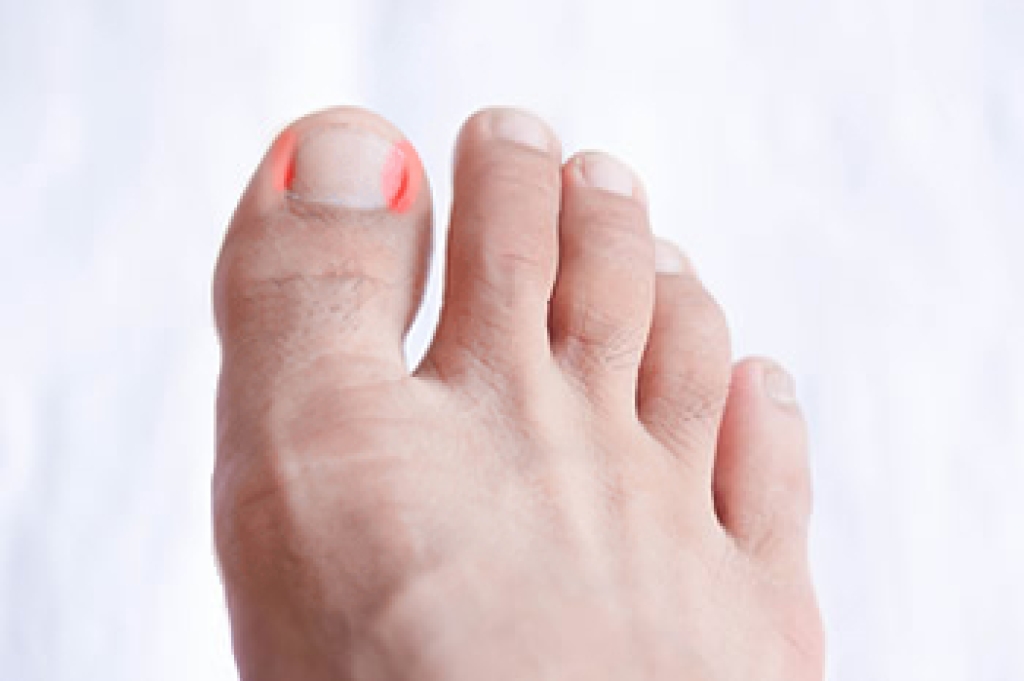
The Symptoms of an Ingrown Toenail

There are various reasons why patients can develop an ingrown toenail. These can include incorrectly trimming the toenails, genetic predisposition, and wearing shoes that do not fit properly. Many patients have symptoms such as redness and tenderness surrounding the ingrown toenail, and an infected toe may cause pus to drain from it. Mild relief may be found when the foot is soaked in warm water, and it may help to wear larger shoes. The feet can feel better when they are clean and dry, and it may help to apply an antibacterial ointment. If you have developed an ingrown toenail, it is suggested that you seek the counsel of a podiatrist who can properly treat this condition.

Ingrown toenails can become painful if they are not treated properly. For more information about ingrown toenails, contact Kelly Whaley, DPM of Ohio. Our doctor can provide the care you need to keep you pain-free and on your feet.

Ingrown Toenails

Ingrown toenails occur when a toenail grows sideways into the bed of the nail, causing pain, swelling, and possibly infection.

Causes

  • Bacterial infections
  • Improper nail cutting such as cutting it too short or not straight across
  • Trauma to the toe, such as stubbing, which causes the nail to grow back irregularly
  • Ill-fitting shoes that bunch the toes too close together
  • Genetic predisposition

Prevention

Wearing proper fitting shoes and using proper cutting techniques will also help decrease your risk of developing ingrown toenails.

Treatment

Ingrown toenails are a very treatable foot condition. In minor cases, soaking the affected area in salt or antibacterial soaps will not only help with the ingrown nail itself, but also help prevent any infections from occurring. In more severe cases, surgery is an option. In either case, speaking to your podiatrist about this condition will help you get a better understanding of specific treatment options that are right for you.

If you have any questions, please feel free to contact our office located in Willoughby, OH . We offer the newest diagnostic and treatment technologies for all your foot care needs.

Read more about Ingrown Toenail Care

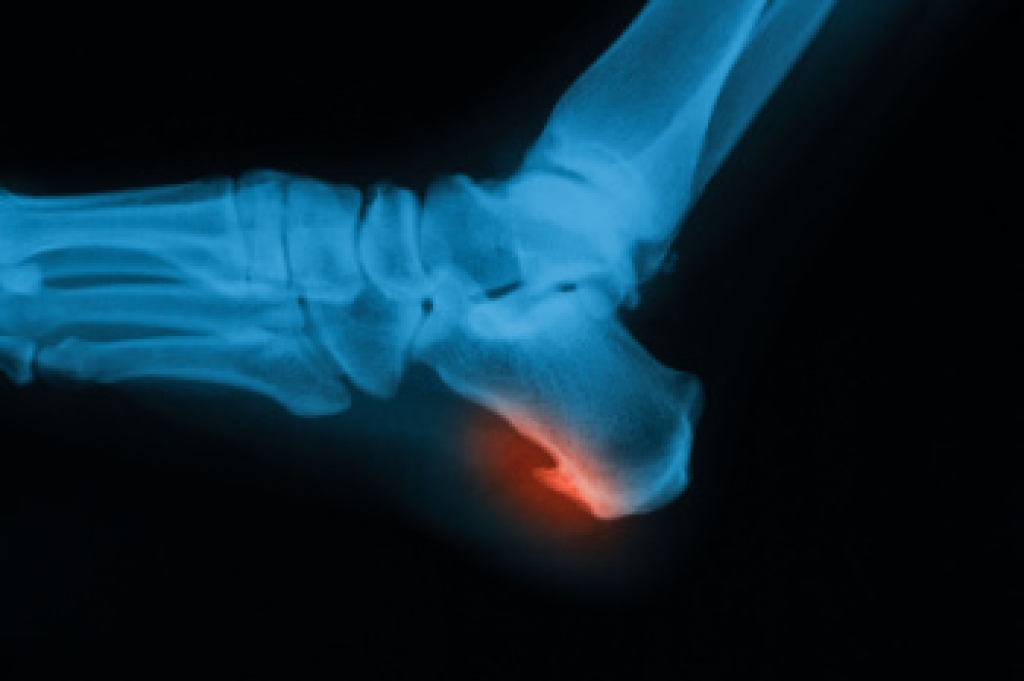
Podiatric Care for Heel Spurs

A plantar heel spur is a bony growth that forms on the underside of the heel bone, often associated with chronic stress on the plantar fascia. Causes include repetitive strain from running or walking, obesity, improper footwear, or abnormal foot mechanics. Risk factors may involve flat feet, high arches, aging, and participating in high impact sports. Symptoms often include sharp heel pain, especially when first standing in the morning, swelling, and tenderness at the bottom of the heel. A podiatrist can evaluate the condition, recommend supportive footwear, provide custom orthotics, and offer treatments such as stretching to reduce pain and restore mobility. If you have heel pain, it is suggested that you consult a podiatrist who can accurately diagnose and treat heel spurs. 

Heel spurs can be incredibly painful and sometimes may make you unable to participate in physical activities. To get medical care for your heel spurs, contact Kelly Whaley, DPM from Ohio. Our doctor will do everything possible to treat your condition.

Heels Spurs

Heel spurs are formed by calcium deposits on the back of the foot where the heel is. This can also be caused by small fragments of bone breaking off one section of the foot, attaching onto the back of the foot. Heel spurs can also be bone growth on the back of the foot and may grow in the direction of the arch of the foot.

Older individuals usually suffer from heel spurs and pain sometimes intensifies with age. One of the main condition's spurs are related to is plantar fasciitis.

Pain

The pain associated with spurs is often because of weight placed on the feet. When someone is walking, their entire weight is concentrated on the feet. Bone spurs then have the tendency to affect other bones and tissues around the foot. As the pain continues, the feet will become tender and sensitive over time.

Treatments

There are many ways to treat heel spurs. If one is suffering from heel spurs in conjunction with pain, there are several methods for healing. Medication, surgery, and herbal care are some options.

If you have any questions, please feel free to contact our office located in Willoughby, OH . We offer the newest diagnostic and treatment technologies for all your foot care needs.
Read more about How to Treat Heel Spurs

Achilles Tendon Injuries in Athletes

Achilles tendon injuries are common among athletes due to repetitive stress, sudden increases in activity, poor conditioning, or inadequate footwear. These injuries can range from inflammation and small tears to full ruptures. They often cause pain, stiffness, and weakness in the back of the ankle, making it difficult to run, jump, or push off effectively during play. Recovery can be slow and may impact an athlete’s ability to perform at their best. A podiatrist can evaluate the extent of the injury and provide treatments, such as orthotics, targeted exercises, and advanced therapies to promote healing and prevent recurrence. If you have injured your Achilles tendon, it is suggested that you schedule an appointment with a podiatrist who can offer effective treatment solutions.

Achilles tendon injuries need immediate attention to avoid future complications. If you have any concerns, contact Kelly Whaley, DPM of Ohio. Our doctor can provide the care you need to keep you pain-free and on your feet.

What Is the Achilles Tendon?

The Achilles tendon is a tendon that connects the lower leg muscles and calf to the heel of the foot. It is the strongest tendon in the human body and is essential for making movement possible. Because this tendon is such an integral part of the body, any injuries to it can create immense difficulties and should immediately be presented to a doctor.

What Are the Symptoms of an Achilles Tendon Injury?

There are various types of injuries that can affect the Achilles tendon. The two most common injuries are Achilles tendinitis and ruptures of the tendon.

Achilles Tendinitis Symptoms

  • Inflammation
  • Dull to severe pain
  • Increased blood flow to the tendon
  • Thickening of the tendon

Rupture Symptoms

  • Extreme pain and swelling in the foot
  • Total immobility

Treatment and Prevention

Achilles tendon injuries are diagnosed by a thorough physical evaluation, which can include an MRI. Treatment involves rest, physical therapy, and in some cases, surgery. However, various preventative measures can be taken to avoid these injuries, such as:

  • Thorough stretching of the tendon before and after exercise
  • Strengthening exercises like calf raises, squats, leg curls, leg extensions, leg raises, lunges, and leg presses

If you have any questions please feel free to contact our office located in Willoughby, OH . We offer the newest diagnostic tools and technology to treat your foot and ankle needs.

Read more about Achilles Tendon Injuries

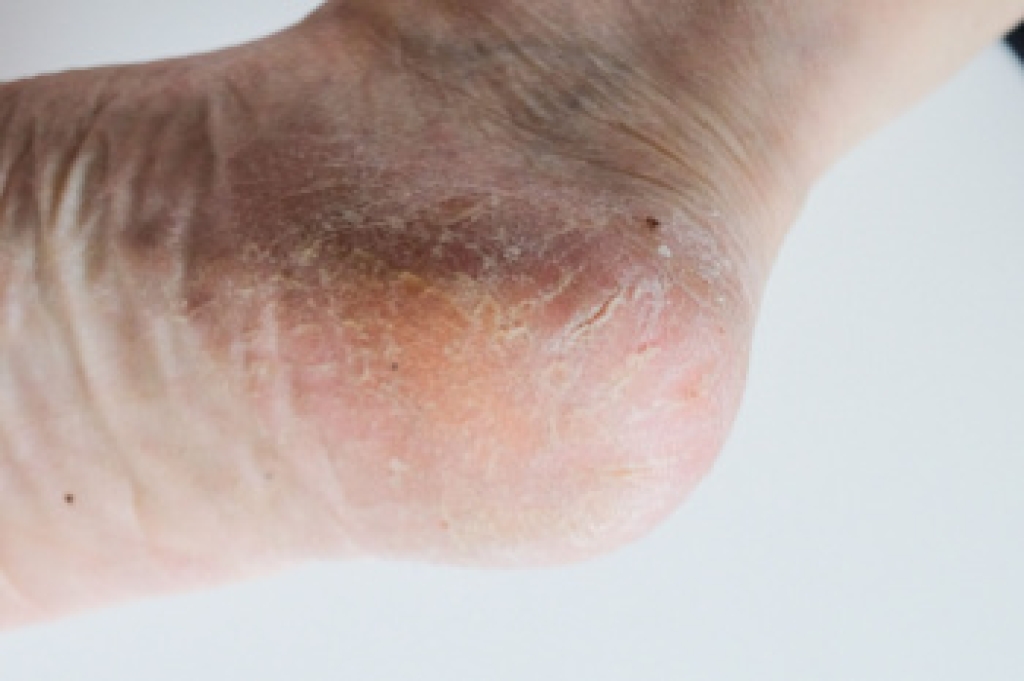
How a Podiatrist Can Help Cracked Heels

Cracked heels are splits in the thickened skin of the heel that can cause pain, bleeding, and discomfort while walking. They are often caused by dryness, prolonged standing, wearing ill-fitting footwear, or excess pressure on the feet. Certain skin conditions can also contribute, including athlete’s foot and plantar warts, which may worsen the problem or lead to infection. Symptoms often include rough skin, fissures, and tenderness. A podiatrist can help by gently debriding thick skin, treating underlying conditions, and recommending proper footwear and moisturizers to restore skin health. If cracked heels are causing pain or interfering with your daily life, it is suggested that you consult a podiatrist who can help you to manage this uncomfortable condition.

Cracked heels are unsightly and can cause further damage to your shoes and feet. If you have any concerns, contact Kelly Whaley, DPM from Ohio. Our doctor can provide the care you need to keep you pain-free and on your feet.

Cracked Heels

Cracked heels appear unappealing and can make it harder for you walk around in sandals. Aside from looking unpleasant, cracked heels can also tear stockings, socks, and wear out your shoes. There are several methods to help restore a cracked heel and prevent further damage.

How Do You Get Them?

Dry skin is the number one culprit in creating cracked heels. Many athletes, walkers, joggers, and even swimmers suffer from cracked heels. Age and skin oil production play a role to getting cracked heels as well.

Promote Healing

Over the counter medicines can help, especially for those that need instant relief or who suffer from chronic dry feet.

Wear Socks – Wearing socks with medicated creams helps lock in moisture.

Moisturizers – Applying both day and night will help alleviate dryness which causes cracking.

Pumice Stones – These exfoliate and remove dead skin, which allows for smoother moisturizer application and better absorption into the skin. 

Change in Diet

Eating healthy with a well-balanced diet will give the skin a fresh and radiant look. Your body responds to the kinds of food you ingest. Omega-3 fatty acids and zinc supplements can also revitalize skin tissue.

Most importantly, seek professional help if unsure how to proceed in treating cracked heels. A podiatrist will help you with any questions or information needed. 

If you have any questions, please feel free to contact our office located in Willoughby, OH . We offer the newest diagnostic and treatment technologies for all your foot care needs.

Read more about Solutions for Cracked Heels

Advanced Podiatric Procedures & Services in the Lake County and Cuyahoga County, OH areas