Weight Gain May Lead To Plantar Fasciitis

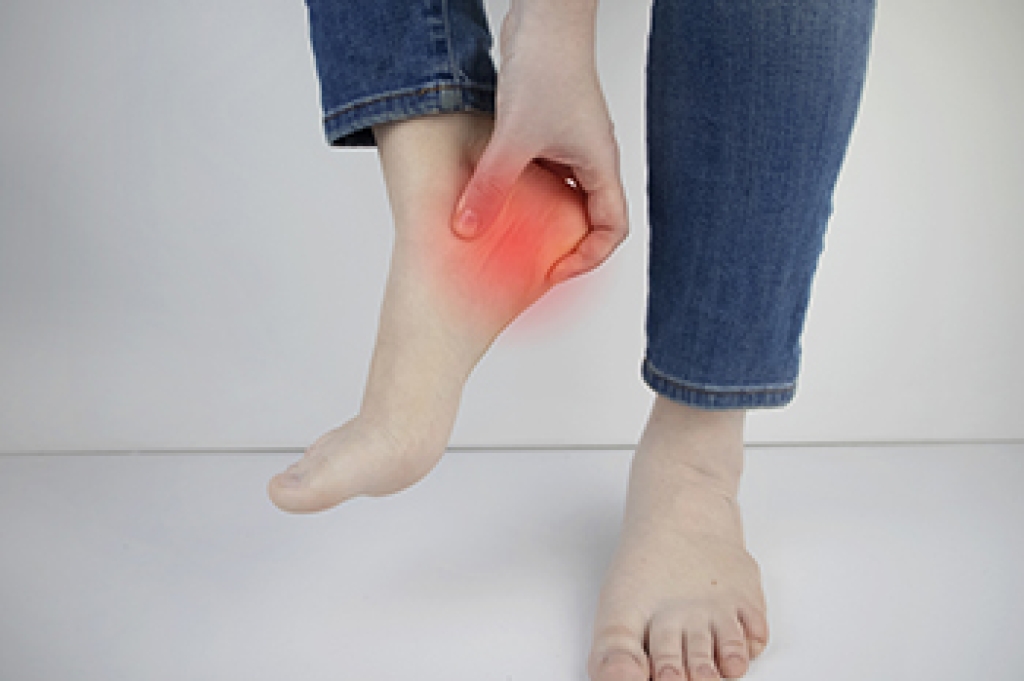
Plantar fasciitis is a common foot condition that gradually develops for various reasons. These can include wearing shoes that do not fit correctly or from gaining weight. Standing on hard or uneven surfaces for most of the day or from recently increasing speed while running can also increase your chance of getting plantar fasciitis. The plantar fascia is found on the bottom of the foot and is the band of tissue that connects the heel to the toes. Any one of the above reasons may cause the plantar fascia to become irritated or torn, and this can lead to plantar fasciitis. Mild relief may be found when specific heel stretches are performed, in addition to wearing shoes that have a cushioned heel. It may help to lose weight if applicable, and elevating the foot frequently may reduce the discomfort. Orthotics may be worn that can provide the necessary support as the foot heals. If you have heel pain, it is suggested that you visit a podiatrist who can treat plantar fasciitis.

Plantar fasciitis is a common foot condition that is often caused by a strain injury. If you are experiencing heel pain or symptoms of plantar fasciitis, contact Kelly Whaley, DPM from Ohio. Our doctor can provide the care you need to keep you pain-free and on your feet.

What Is Plantar Fasciitis?

Plantar fasciitis is one of the most common causes of heel pain. The plantar fascia is a ligament that connects your heel to the front of your foot. When this ligament becomes inflamed, plantar fasciitis is the result. If you have plantar fasciitis you will have a stabbing pain that usually occurs with your first steps in the morning. As the day progresses and you walk around more, this pain will start to disappear, but it will return after long periods of standing or sitting.

What Causes Plantar Fasciitis?

  • Excessive running
  • Having high arches in your feet
  • Other foot issues such as flat feet
  • Pregnancy (due to the sudden weight gain)
  • Being on your feet very often

There are some risk factors that may make you more likely to develop plantar fasciitis compared to others. The condition most commonly affects adults between the ages of 40 and 60. It also tends to affect people who are obese because the extra pounds result in extra stress being placed on the plantar fascia.

Prevention

  • Take good care of your feet – Wear shoes that have good arch support and heel cushioning.
  • Maintain a healthy weight
  • If you are a runner, alternate running with other sports that won’t cause heel pain

There are a variety of treatment options available for plantar fasciitis along with the pain that accompanies it. Additionally, physical therapy is a very important component in the treatment process. It is important that you meet with your podiatrist to determine which treatment option is best for you.

If you have any questions, please feel free to contact our office located in Willoughby, OH . We offer the newest diagnostic and treatment technologies for all your foot care needs.

 

Read more about Plantar Fasciitis

What Can Cause Flat Feet in Adults?

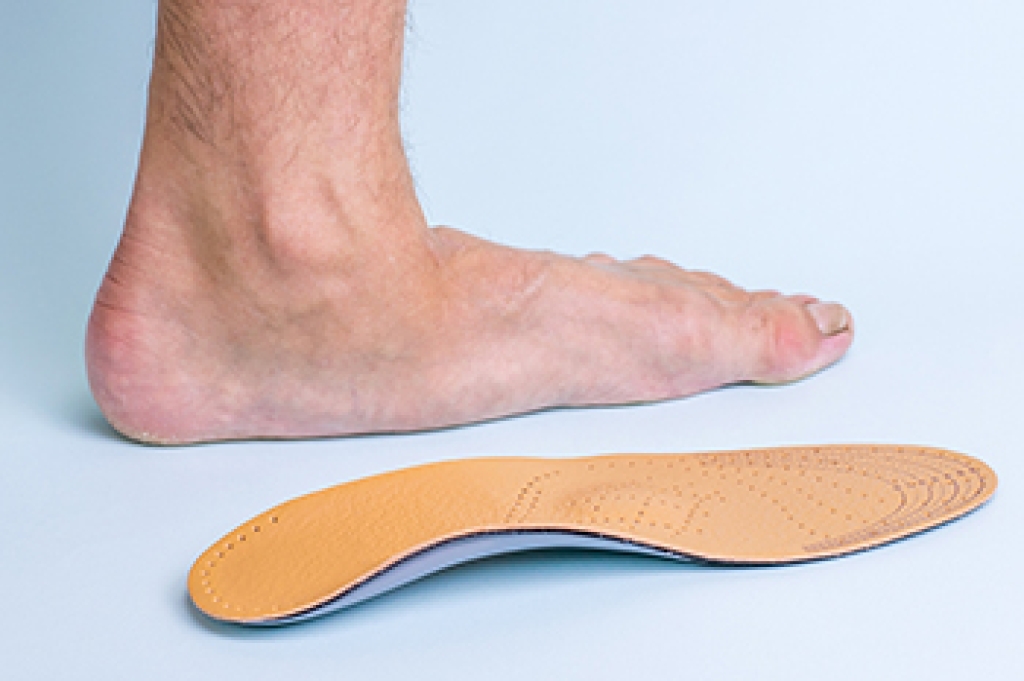
Flat feet are exactly what its name implies. The bottom of the foot lies flat on the ground, due to having little or no arch. Most babies are born with flat feet, and the arch typically develops during the teenage years. Adults with flat feet may have endured a foot injury or been born with an abnormal foot structure. Additionally, obesity, diabetes, high blood pressure, or rheumatoid arthritis may cause flat feet, as well as genetic reasons. Some patients who have flat feet and experience pain in various parts of the foot and ankle may choose to wear orthotics for mild relief. Severely flat feet may affect balance, and the feet may become stiff. If you have flat feet, it is suggested that you consult with a podiatrist who can offer you relief options that are suitable for you. 

Flatfoot is a condition many people suffer from. If you have flat feet, contact Kelly Whaley, DPM from Ohio. Our doctor will treat your foot and ankle needs.

What Are Flat Feet?

Flatfoot is a condition in which the arch of the foot is depressed and the sole of the foot is almost completely in contact with the ground. About 20-30% of the population generally has flat feet because their arches never formed during growth.

Conditions & Problems:

Having flat feet makes it difficult to run or walk because of the stress placed on the ankles.

Alignment – The general alignment of your legs can be disrupted, because the ankles move inward which can cause major discomfort.

Knees – If you have complications with your knees, flat feet can be a contributor to arthritis in that area.  

Symptoms

  • Pain around the heel or arch area
  • Trouble standing on the tip toe
  • Swelling around the inside of the ankle
  • Flat look to one or both feet
  • Having your shoes feel uneven when worn

Treatment

If you are experiencing pain and stress on the foot you may weaken the posterior tibial tendon, which runs around the inside of the ankle. 

If you have any questions, please feel free to contact our office located in Willoughby, OH . We offer the newest diagnostic and treatment technologies for all your foot care needs.

Read more about What is Flexible Flat Foot?

Effective Stretches for the Feet and Toes

There are simple stretches that can be done which can improve the strength and flexibility of the feet. This is also true for reducing existing foot pain when practiced several times per week. Toe raises are effective in keeping the toes strong and are begun by sitting in a chair with the feet on the floor. This is followed by raising the heels and keeping the toes steady on the floor while slowly curling the toes inward. Practicing toe splays can help to improve control over the toe muscles. This can easily be done by sitting in a chair and spreading the toes as far apart as possible without straining. It is helpful to repeat this stretch several times. The big toe can be stretched by placing one foot over the opposite thigh while gently pulling the big toe up and down. It can also be rotated from side to side. The soles of the feet can become stronger by picking up marbles one at a time with the toes and placing them in a small bowl. This can be repeated several times on each foot. If you would like to have more information about effective foot and toe stretches, it is suggested that you confer with a podiatrist who can provide you with useful tips.

Why Stretching Is Important for Your Feet

Stretching the feet is a great way to prevent injuries. If you have any concerns with your feet consult with Kelly Whaley, DPM from Ohio. Our doctor will assess your condition and provide you with quality foot and ankle treatment.

Stretching the Feet

Stretching the muscles in the foot is an important part in any physical activity. Feet that are tight can lead to less flexibility and make you more prone to injury. One of the most common forms of foot pain, plantar fasciitis, can be stretched out to help ease the pain. Stretching can not only ease pain from plantar fasciitis but also prevent it as well. However, it is important to see a podiatrist first to determine if stretching is right for you. Podiatrists can also recommend other ways to stretch your feet. Once you know whether stretching is right for you, here are some excellent stretches you can do.

  • Using a foam roller or any cylindrical object (a water bottle or soda can will do), roll the object under your foot back and forth. You should also exert pressure on the object. Be sure to do this to both feet for a minute. Do this exercise three times each.
  • Similar to the previous exercise, take a ball, such as a tennis ball, and roll it under your foot while seated and exert pressure on it.
  • Grab a resistance band or towel and take a seat. If you are using a towel, fold it length wise. Next put either one between the ball of your foot and heel and pull with both hands on each side towards you. Hold this for 15 seconds and then switch feet. Do this three times for each foot.
  • Finally hold your big toe while crossing one leg over the other. Pull the toe towards you and hold for 15 seconds. Once again do this three times per foot.

It is best to go easy when first stretching your foot and work your way up. If your foot starts hurting, stop exercising to ice and rest the foot. It is advised that you then see a podiatrist for help.

If you have any questions please contact our office located in Willoughby, OH . We offer the newest diagnostic and treatment technologies for all your foot and ankle needs.

Read more about How to Stretch Your Feet

Stay Safe While Being Active This Summer

For many, summertime means time to get out and get active. Before trying a new sport or physical activity, be sure to properly stretch and gradually increase intensity to prevent injuries.

If you need treatment for an injury or would like to learn about injury prevention, schedule an appointment.

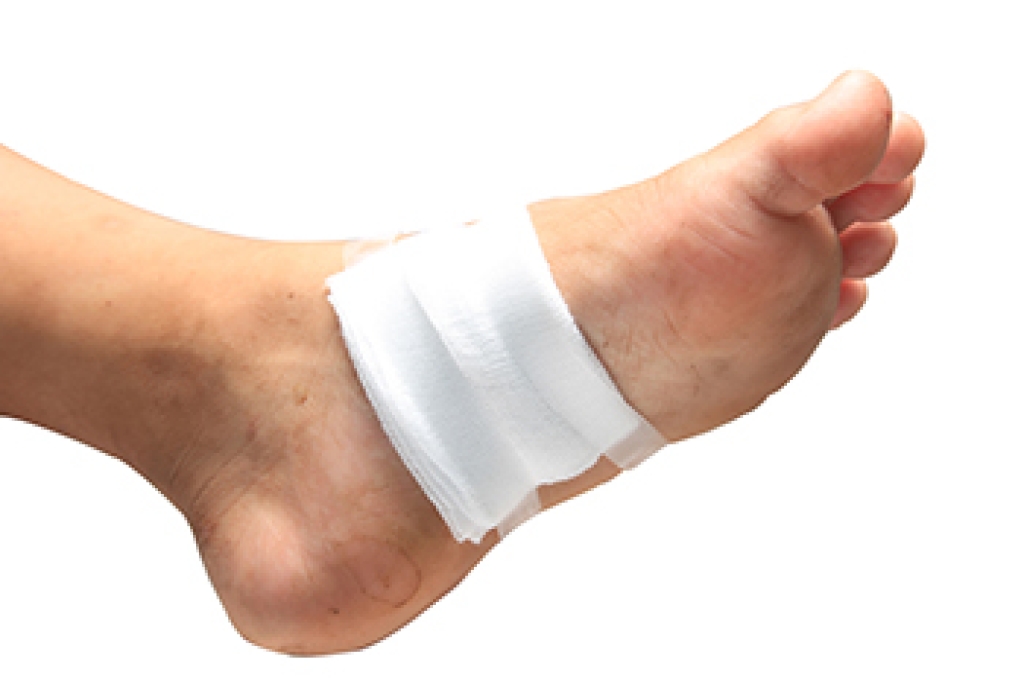
Treating a Wound on the Bottom of the Foot

Having a wound on the bottom of the foot can not only be painful, but it can also be extremely difficult to treat. With any wound, cleaning and disinfecting it is important. Fortunately, minor cuts heal relatively quickly on their own, and an antibiotic ointment and simple bandage are enough to do the job. Staying off the foot as much as possible is a big help, too. The real problem with a wound on the bottom of the foot is when it is deep, won’t stop bleeding, or becomes infected. In those cases, it is suggested that you contact a podiatrist for immediate assistance. Keeping the wounded area covered is an effective and important way to avoid dire complications. After cleaning and dressing the area, adding a bandage, then a gauze wrapping, followed by an elastic bandage is suggested by experts. These bandages should be tight enough to protect the wound, but not so tight that circulation to the foot is cut off. If you are unsure of how to deal with a wound on the sole of the foot, it is suggested that you contact a podiatrist.

Wound care is an important part in dealing with diabetes. If you have diabetes and a foot wound or would like more information about wound care for diabetics, consult with Kelly Whaley, DPM from Ohio. Our doctor will assess your condition and provide you with quality foot and ankle treatment.

What Is Wound Care?

Wound care is the practice of taking proper care of a wound. This can range from the smallest to the largest of wounds. While everyone can benefit from proper wound care, it is much more important for diabetics. Diabetics often suffer from poor blood circulation which causes wounds to heal much slower than they would in a non-diabetic. 

What Is the Importance of Wound Care?

While it may not seem apparent with small ulcers on the foot, for diabetics, any size ulcer can become infected. Diabetics often also suffer from neuropathy, or nerve loss. This means they might not even feel when they have an ulcer on their foot. If the wound becomes severely infected, amputation may be necessary. Therefore, it is of the upmost importance to properly care for any and all foot wounds.

How to Care for Wounds

The best way to care for foot wounds is to prevent them. For diabetics, this means daily inspections of the feet for any signs of abnormalities or ulcers. It is also recommended to see a podiatrist several times a year for a foot inspection. If you do have an ulcer, run the wound under water to clear dirt from the wound; then apply antibiotic ointment to the wound and cover with a bandage. Bandages should be changed daily and keeping pressure off the wound is smart. It is advised to see a podiatrist, who can keep an eye on it.

If you have any questions please contact our office located in Willoughby, OH . We offer the newest diagnostic and treatment technologies for all your foot and ankle needs.

Read more about Wound Care

Advanced Podiatric Procedures & Services in the Lake County and Cuyahoga County, OH areas