
Understanding Numb Feet During Pregnancy

The phenomenon of numb feet during pregnancy is a common yet often perplexing experience for expectant mothers. The increased pressure on blood vessels and nerves, primarily in the lower extremities, is a key factor contributing to this sensation. As the uterus expands to accommodate the growing baby, it can exert pressure on the pelvic blood vessels, hindering optimal circulation. This reduced blood flow to the feet can result in numbness and tingling sensations. Furthermore, hormonal changes during pregnancy can impact nerve function, amplifying the likelihood of experiencing numbness. While this occurrence is generally harmless, pregnant women must prioritize proper footwear, avoid prolonged periods of standing, and incorporate gentle exercises to promote circulation. If you are experiencing foot pain or numbing sensations during your pregnancy, it is suggested that you visit a podiatrist who can provide you with additional relief methods.

Pregnant women with swollen feet can be treated with a variety of different methods that are readily available. For more information about other cures for swollen feet during pregnancy, consult with Kelly Whaley, DPM from Ohio. Our doctor will attend to all of your foot and ankle needs.

What Foot Problems Can Arise During Pregnancy?

One problem that can occur is overpronation, which occurs when the arch of the foot flattens and tends to roll inward.  This can cause pain and discomfort in your heels while you’re walking or even just standing up, trying to support your baby.  

Another problem is edema, or swelling in the extremities. This often affects the feet during pregnancy but tends to occur in the later stages. 

How Can I Keep My Feet Healthy During Pregnancy?

  • Wearing orthotics can provide extra support for the feet and help distribute weight evenly
  • Minimize the amount of time spent walking barefoot
  • Wear shoes with good arch support
  • Wear shoes that allow for good circulation to the feet
  • Elevate feet if you experience swelling
  • Massage your feet
  • Get regular, light exercise, such as walking, to promote blood circulation to the feet

If you have any questions, please feel free to contact our office located in Willoughby, OH . We offer the newest diagnostic and treatment technologies for all your foot care needs.
Read more about Pregnancy and Foot Health

Causes and Diagnostic Avenues for Gout

Gout, a form of arthritis, develops when uric acid accumulates in the joints, leading to inflammation and intense pain. The primary cause is an overproduction or underexcretion of uric acid, resulting in crystalline deposits that settle in the joints. Dietary factors, such as excessive consumption of purine-rich foods, can contribute to elevated uric acid levels. Diagnosis involves a comprehensive examination of symptoms that include sudden, severe joint pain, swelling, and redness. Podiatrists may conduct blood tests to measure uric acid levels and analyze joint fluid for crystal presence. Imaging studies, such as X-rays or ultrasounds, aid in assessing joint damage. A meticulous evaluation helps differentiate gout from other forms of arthritis, enabling podiatrists to devise an effective treatment plan. If you have joint pain in your feet and believe it might be caused by gout, it is suggested that you are under the care of a podiatrist who can successfully treat this condition and offer preventive tips.

Gout is a painful condition that can be treated. If you are seeking treatment, contact Kelly Whaley, DPM from Ohio. Our doctor will treat your foot and ankle needs.

What Is Gout?

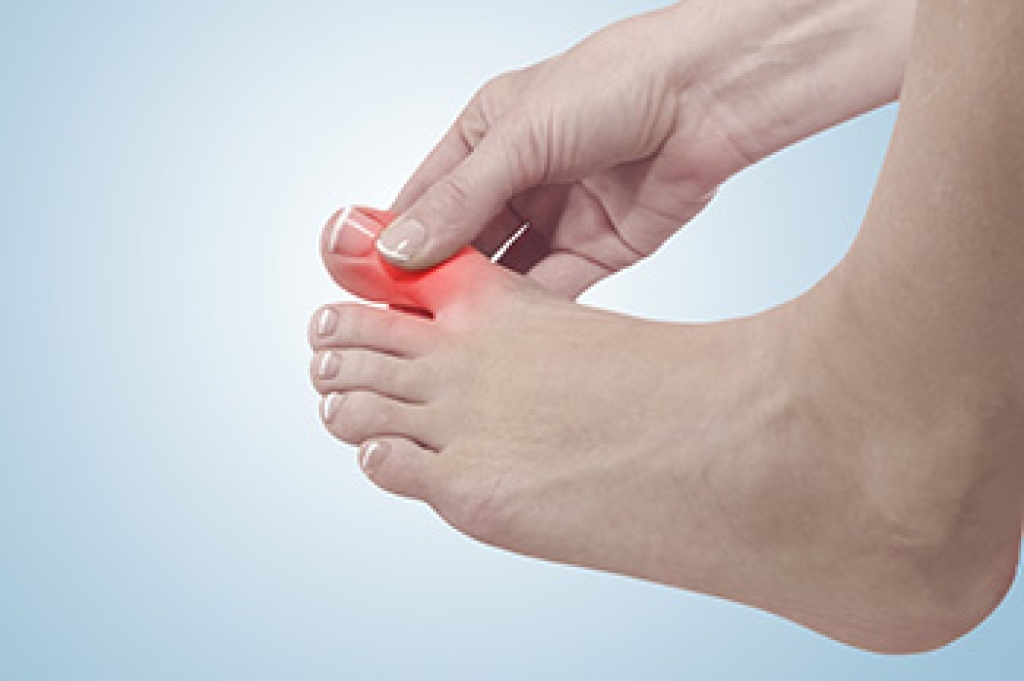
Gout is a form of arthritis that is characterized by sudden, severe attacks of pain, redness, and tenderness in the joints. The condition usually affects the joint at the base of the big toe. A gout attack can occur at any random time, such as the middle of the night while you are asleep.

Symptoms

  • Intense Joint Pain - Usually around the large joint of your big toe, and it most severe within the first four to twelve hours
  • Lingering Discomfort - Joint discomfort may last from a few days to a few weeks
  • Inflammation and Redness -Affected joints may become swollen, tender, warm and red
  • Limited Range of Motion - May experience a decrease in joint mobility

Risk Factors

  • Genetics - If family members have gout, you’re more likely to have it
  • Medications - Diuretic medications can raise uric acid levels
  • Gender/Age - Gout is more common in men until the age of 60. It is believed that estrogen protects women until that point
  • Diet - Eating red meat and shellfish increases your risk
  • Alcohol - Having more than two alcoholic drinks per day increases your risk
  • Obesity - Obese people are at a higher risk for gout

Prior to visiting your podiatrist to receive treatment for gout, there are a few things you should do beforehand. If you have gout you should write down your symptoms--including when they started and how often you experience them, important medical information you may have, and any questions you may have. Writing down these three things will help your podiatrist in assessing your specific situation so that he or she may provide the best route of treatment for you.

If you have any questions, please feel free to contact our office located in Willoughby, OH . We offer the newest diagnostic and treatment technologies for all your foot care needs.
Read more about Gout

Reasons to See a Podiatrist

Podiatrists are specialized healthcare professionals who focus on the diagnosis, treatment, and prevention of foot and ankle disorders. There are various compelling reasons to schedule a visit to a podiatrist. First, persistent foot or ankle pain should not be ignored, as it can be an indicator of an underlying issue. Podiatrists are experts in identifying and addressing the source of your discomfort. They can diagnose conditions such as plantar fasciitis, bunions, or heel spurs, and develop personalized treatment plans. If you are experiencing mobility issues, a podiatrist can help. They can provide custom orthotics or recommend appropriate footwear to improve your gait and balance. Diabetes can take a toll on the feet, leading to complications like neuropathy and ulcers. Regular check-ups with a podiatrist are essential for early detection and preventative care. In short, consulting a podiatrist is beneficial for anyone seeking to maintain their overall foot health, in addition to alleviating foot pain. It is suggested that you visit a podiatrist if you are interested in learning more about the field of podiatry. 

If you are dealing with pain in your feet and ankles, you may want to seek help from a podiatrist. Feel free to contact Kelly Whaley, DPM from Ohio. Our doctor can provide the care you need to keep you pain-free and on your feet.

What Is a Podiatrist?

A podiatrist is a doctor of podiatric medicine who diagnoses and treats conditions of the foot, ankle, and related structures of the leg. Your podiatrist may specialize in a certain field such as sports medicine, wound care, pediatrics, and diabetic care. Podiatrists have the ability to become board certified through training, clinical experience, and then taking an exam.

What Do Podiatrists Do?

On a daily basis, a podiatrist may perform the following activities:

  • Diagnose foot ailments such as ulcers, tumors, fractures, etc.
  • Use innovative methods to treat conditions
  • Use corrective orthotics, casts, and strappings to correct deformities
  • Correct walking patterns and balance
  • Provide individual consultations to patients

It is very important that you take care of your feet. It’s easy to take having healthy feet for granted, however foot problems tend to be among the most common health conditions. Podiatrists can help diagnose and treat a variety of feet related conditions, so it is crucial that you visit one if you need assistance.

If you have any questions, please feel free to contact our office located in Willoughby, OH . We offer the newest diagnostic and treatment technologies for all your foot care needs.

Read more about What is a Podiatrist?

Clubfoot Is a Congenital Foot Condition

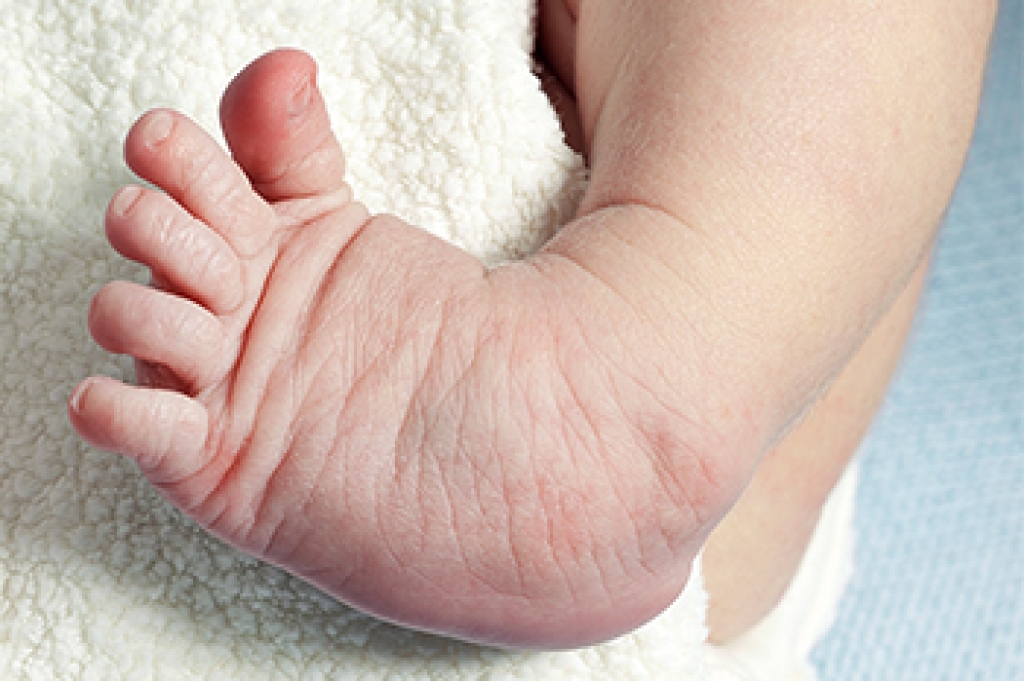
Clubfoot, a congenital condition affecting newborns, is characterized by the abnormal positioning of the foot or feet. This condition is present at birth, with the infant's foot turning inward and downward, resembling the club's head. The primary causes of clubfoot are often linked to a combination of genetic and environmental factors. While the exact genetic mechanisms are not fully understood, there is evidence of familial predisposition. Environmental factors, such as intrauterine positioning or limited space in the womb, can also contribute to the development of clubfoot. This congenital anomaly affects the muscles, tendons, and bones in the foot, leading to a tightened Achilles tendon and an imbalance in the surrounding structures. Early detection and intervention are crucial for managing clubfoot effectively. Treatment options may include gentle stretching, casting, and, in some cases, surgical procedures to correct the foot's alignment and promote proper development. If your child has been born with clubfoot, it is strongly suggested that a podiatrist is on your healthcare team who can determine what the best treatment option is for this condition.

Congenital foot problems require immediate attention to avoid future complications. If you have any concerns, contact Kelly Whaley, DPM of Ohio. Our doctor can provide the care you need to keep you pain-free and on your feet.

Congenital foot problems are deformities affecting the feet, toes, and/or ankles that children are born with. Some of these conditions have a genetic cause while others just happen. Some specific foot ailments that children may be born with include clubfeet, polydactyly/macrodactyly, and cleft foot. There are several other foot anomalies that can occur congenitally. What all of these conditions have in common is that a child may experience difficulty walking or performing everyday activities, as well as trouble finding footwear that fits their foot deformity. Some of these conditions are more serious than others. Consulting with a podiatrist as early as possible will help in properly diagnosing a child’s foot condition while getting the necessary treatment underway.

What are Causes of Congenital Foot Problem?

A congenital foot problem is one that happens to a child at birth. These conditions can be caused by a genetic predisposition, developmental or positional abnormalities during gestation, or with no known cause.

What are Symptoms of Congenital Foot Problems?

Symptoms vary by the congenital condition. Symptoms may consist of the following:

  • Clubfoot, where tendons are shortened, bones are shaped differently, and the Achilles tendon is tight, causing the foot to point in and down. It is also possible for the soles of the feet to face each other.
  • Polydactyly, which usually consists of a nubbin or small lump of tissue without a bone, a toe that is partially formed but has no joints, or an extra toe.
  • Vertical talus, where the talus bone forms in the wrong position causing other bones in the foot to line up improperly, the front of the foot to point up, and the bottom of the foot to stiffen, with no arch, and to curve out.
  • Tarsal coalition, when there is an abnormal connection of two or more bones in the foot leading to severe, rigid flatfoot.
  • Cleft foot, where there are missing toes, a V-shaped cleft, and other anatomical differences.
  • Macrodactyly, when the toes are abnormally large due to overgrowth of the underlying bone or soft tissue.

Treatment and Prevention

While there is nothing one can do to prevent congenital foot problems, raising awareness and receiving neonatal screenings are important. Early detection by taking your child to a podiatrist leads to the best outcome possible.

If you have any questions, please feel free to contact our office located in Willoughby, OH . We offer the newest diagnostic and treatment technologies for all your foot care needs.

Read more about Congenital Foot Problems

Advanced Podiatric Procedures & Services in the Lake County and Cuyahoga County, OH areas