Soft Tissue, Ligaments, and the Ankle

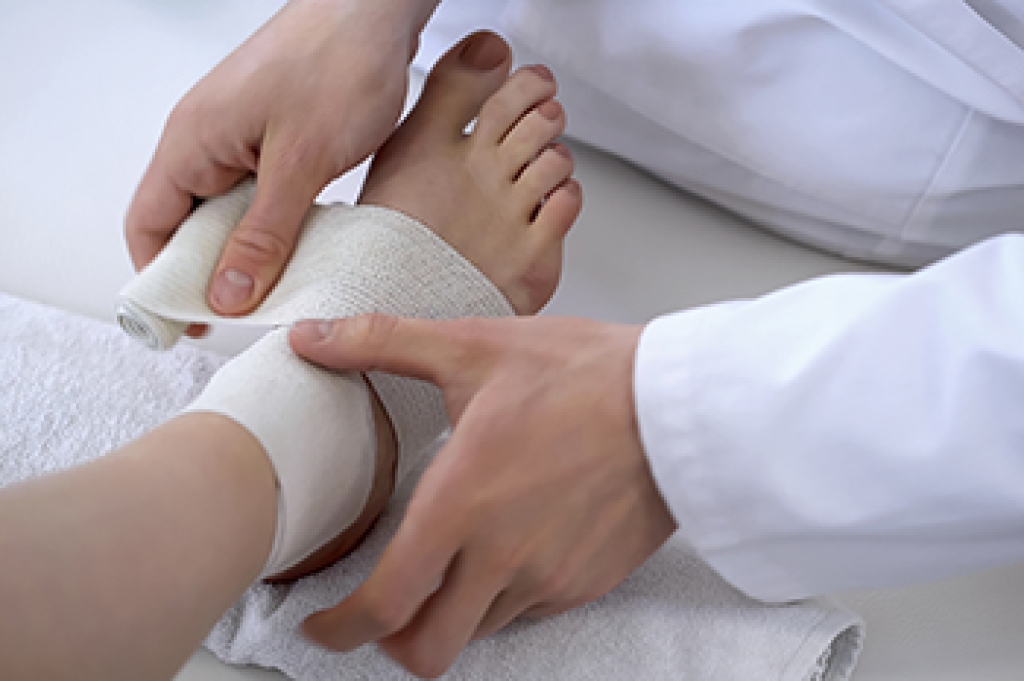
The ligaments in the ankle are made of soft tissue. If an ankle injury has occurred, healing may be slow as a result of a lack of blood flow. Damage to these ligaments can be caused while participating in physical activities, or it may happen from unexpectedly stepping off a curb. Painful arthritis may be prevented when prompt medical attention is sought if an ankle sprain has occurred. One of the functions of the ankle ligaments is to keep the shape of the bones. An X-ray is often performed that can rule out a fracture, and treatment for a sprained ankle can begin. Many people find relief when the foot is frequently elevated, and an elastic bandage is wrapped around the affected ankle. This is generally successful in providing the stability that is necessary as the healing process occurs. If the ankle sprain happens from a sporting event, it is beneficial to temporarily stop that activity until a full recovery has taken place. If you have sprained your ankle, it is suggested that you confer with a podiatrist who can help you with the treatment that is right for you.

Ankle sprains are common but need immediate attention. If you need your feet checked, contact Kelly Whaley, DPM from Ohio. Our doctor can provide the care you need to keep you pain-free and on your feet.

How Does an Ankle Sprain Occur?

Ankle sprains take place when the ligaments in your ankle are torn or stretched beyond their limits. There are multiple ways that the ankle can become injured, including twisting or rolling over onto your ankle, putting undue stress on it, or causing trauma to the ankle itself.

What Are the Symptoms?

  • Mild to moderate bruising
  • Limited mobility
  • Swelling
  • Discoloration of the skin (depending on severity)

Preventing a Sprain

  • Wearing appropriate shoes for the occasion
  • Stretching before exercises and sports
  • Knowing your limits

Treatment of a Sprain

Treatment of a sprain depends on the severity.  Many times, people are told to rest and remain off their feet completely, while others are given an air cast. If the sprain is very severe, surgery may be required.

If you have suffered an ankle sprain previously, you may want to consider additional support such as a brace and regular exercises to strengthen the ankle.

If you have any questions please feel free to contact our office located in Willoughby, OH . We offer the newest diagnostic tools and technology to treat your foot and ankle needs.
Read more about Three Grades of Ankle Sprains

Plantar Fasciitis and Surgery

The foot condition that is known as plantar fasciitis may require foot surgery to be performed. If other treatment methods are unsuccessful, patients may consider surgery as an option for permanent relief. Plantar fasciitis occurs when the plantar fascia becomes irritated or torn, which may happen from standing on hard surfaces for long periods of time. The plantar fascia is found on the bottom of the foot and connects the heels to the toes. The pain is often felt in the heel and lower leg and can cause difficulty in completing daily activities. Patients that have severe pain with this condition can find it can be uncomfortable to walk, causing them to look for relief options. When surgery is performed, the fascia is detached from the heel bone, and this can be successful in relieving tension. New growth occurs during the healing process, which may lengthen the fascia. If you suffer from this painful condition, it is strongly suggested that you consult with a podiatrist who will help you to determine if foot surgery is right for you.

Foot surgery is sometimes necessary to treat a foot ailment. To learn more, contact Kelly Whaley, DPM of Ohio. Our doctor will assist you with all of your foot and ankle needs.

When Is Surgery Necessary?

Foot and ankle surgery is generally reserved for cases in which less invasive, conservative procedures have failed to alleviate the problem. Some of the cases in which surgery may be necessary include:

  • Removing foot deformities like bunions and bone spurs
  • Severe arthritis that has caused bone issues
  • Cosmetic reconstruction

What Types of Surgery Are There?

The type of surgery you receive will depend on the nature of the problem you have. Some of the possible surgeries include:

  • Bunionectomy for painful bunions
  • Surgical fusion for realignment of bones
  • Neuropathy decompression surgery to treat nerve damage

Benefits of Surgery

Although surgery is usually a last resort, it can provide more complete pain relief compared to non-surgical methods and may allow you to finally resume full activity.

Surgical techniques have also become increasingly sophisticated. Techniques like endoscopic surgery allow for smaller incisions and faster recovery times.

If you have any questions, please feel free to contact our office located in Willoughby, OH . We offer the newest diagnostic and treatment technologies for all your foot care needs.

Read more about Foot Surgery

Treatments for Gout Attacks

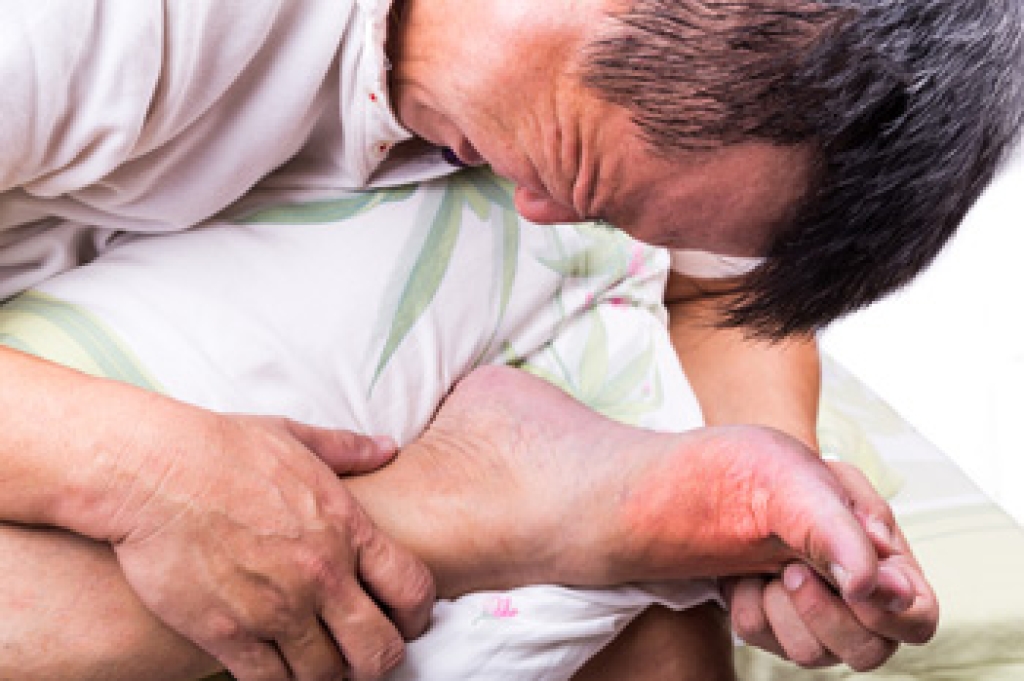
A reddened, painful, and swollen big toe can be the result of a type of arthritis called gout. This uncomfortable condition is caused by an overabundance of uric acid in the body. If not properly eliminated through the kidneys, uric acid can collect in the joints, where it crystallizes. The result is pain that flares up suddenly and stays active for up to a week or more. Risk factors for developing gout include age, diet, obesity, and genetics. Gout cannot be cured, but it can be treated by a foot doctor who is a specialist in dealing with this condition. Treatment options include non-steroidal anti-inflammatory medication, changes in diet, and certain lifestyle modifications. One of the best methods of preventing gout flare-ups is reducing the amount of purines in the foods that are eaten. Seafood, red meat, shellfish, and drinks sweetened with large amounts of sugar fall into this category. Reducing the amount of alcoholic beverages and caffeine also helps, along with increasing exercise, drinking more water, and losing weight. For professional help in managing gout attacks, it is suggested that you make an appointment with a podiatrist. 

Gout is a foot condition that requires certain treatment and care. If you are seeking treatment, contact Kelly Whaley, DPM from Ohio. Our doctor will treat your foot and ankle needs.

What Is Gout?

Gout is a type of arthritis caused by a buildup of uric acid in the bloodstream. It often develops in the foot, especially the big toe area, although it can manifest in other parts of the body as well. Gout can make walking and standing very painful and is especially common in diabetics and the obese.

People typically get gout because of a poor diet. Genetic predisposition is also a factor. The children of parents who have had gout frequently have a chance of developing it themselves.

Gout can easily be identified by redness and inflammation of the big toe and the surrounding areas of the foot. Other symptoms include extreme fatigue, joint pain, and running high fevers. Sometimes corticosteroid drugs can be prescribed to treat gout, but the best way to combat this disease is to get more exercise and eat a better diet.

If you have any questions, please feel free to contact our office located in Willoughby, OH . We offer the newest diagnostic and treatment technologies for all your foot care needs.

Read more about Everything You Need to Know About Gout

Benefits of Orthotics for Skateboarders

Skateboarding is a high-impact sport that can put a great deal of stress on the feet and put them at risk of injury. One of the main areas of the foot that takes a lot of pounding in skateboarding is the arch. For that reason having adequate arch support is an important concern for these athletes. Insoles with built-in arch support can help to distribute the weight evenly while reducing strain on the heel and ball of the foot. Because skateboarding includes jumping and landing, it is suggested by experts who are familiar with skateboarding to use shoe inserts that contain extra cushioning. Taking this precaution can help to reduce the likelihood of developing stress fractures and heel spurs. Shoe inserts with ample cushioning also help to reduce fatigue, allowing the athlete to continue the activity for longer periods without tiring. Skateboarding can also cause the feet to become hot and sweaty. To counteract this condition, it is beneficial to find insoles that keep the feet cooler and drier. Anyone who spends a great deal of time on a skateboard may be the perfect candidate for custom orthotics, which are fitted to the athlete’s foot structure. For more information on custom orthotics, it is suggested that you make an appointment with a podiatrist for an evaluation. 

If you are having discomfort in your feet and would like to try orthotics, contact Kelly Whaley, DPM from Ohio. Our doctor can provide the care you need to keep you pain-free and on your feet.

What Are Orthotics?

Orthotics are inserts you can place into your shoes to help with a variety of foot problems such as flat feet or foot pain. Orthotics provide relief and comfort for minor foot and heel pain but can’t correct serious biomechanical problems in your feet.

Over-the-Counter Inserts

Orthotics come in a wide variety of over-the-counter inserts that are used to treat foot pain, heel pain, and minor problems. For example, arch supports can be inserted into your shoes to help correct overarched or flat feet, while gel insoles are often used because they provide comfort and relief from foot and heel pain by alleviating pressure.

Prescription Orthotics

If over-the-counter inserts don’t work for you or if you have a more severe foot concern, it is possible to have your podiatrist prescribe custom orthotics. These high-quality inserts are designed to treat problems such as abnormal motion, plantar fasciitis, and severe forms of heel pain. They can even be used to help patients suffering from diabetes by treating foot ulcers and painful calluses and are usually molded to your feet individually, which allows them to provide full support and comfort.

If you are experiencing minor to severe foot or heel pain, it’s recommended to speak with your podiatrist about the possibilities of using orthotics. A podiatrist can determine which type of orthotic is right for you and allow you to take the first steps towards being pain-free.

If you have any questions, please feel free to contact our office located in Willoughby, OH . We offer the newest diagnostic and treatment technologies for all your foot care needs.

Read more about Ankle Foot Orthotics for Athletes

Pediatric Flat Feet

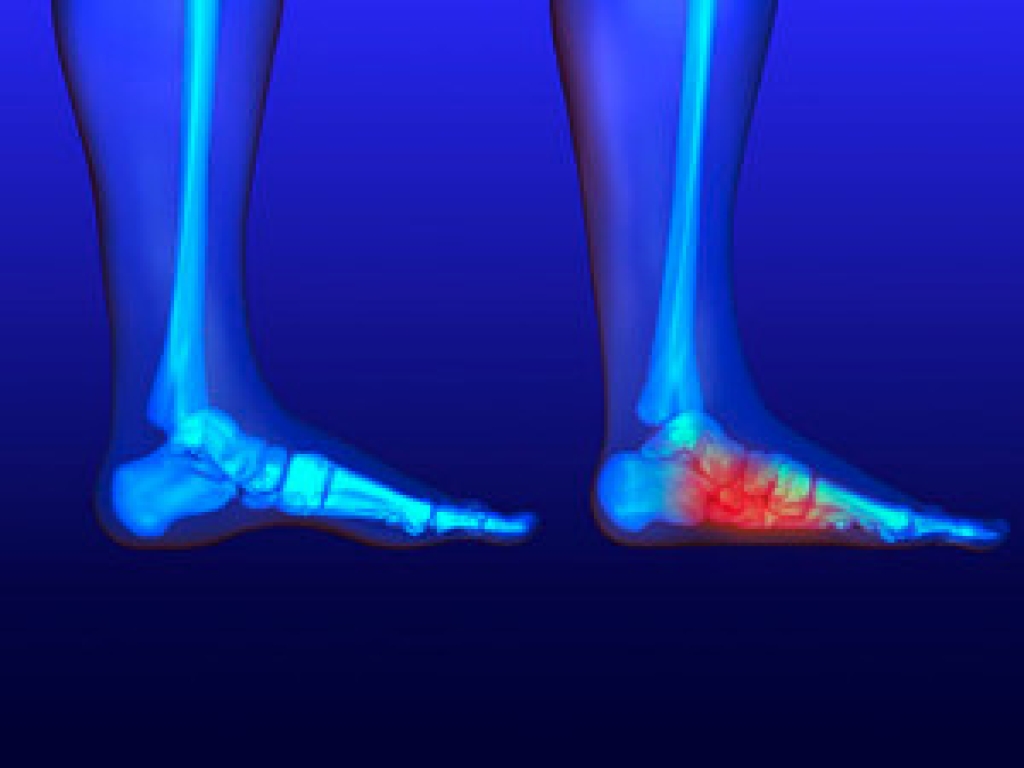
When babies are born, their feet are flat. This means that if you were to place the soles of their feet on the floor, they would be flush with the floor. As the child ages, an arch typically develops. This generally happens by the time they are a teenager. If the arch does not develop, they would continue to have flat feet. While not deemed serious, flat feet can cause discomfort and can make doing everyday activities requiring prolonged standing difficult. Children are active and often play sports, which can cause cramping in the arch and heel areas. Well-fitting and supportive shoes, as well as shoe inserts or orthotics, can provide some relief for flat feet. Rarely will surgery be recommended. If your child has flat feet and they feel pain, it is suggested that you consult with a podiatrist to learn about options for relief.

Flatfoot is a condition many people suffer from. If you have flat feet, contact Kelly Whaley, DPM from Ohio. Our doctor will treat your foot and ankle needs.

What Are Flat Feet?

Flatfoot is a condition in which the arch of the foot is depressed and the sole of the foot is almost completely in contact with the ground. About 20-30% of the population generally has flat feet because their arches never formed during growth.

Conditions & Problems:

Having flat feet makes it difficult to run or walk because of the stress placed on the ankles.

Alignment – The general alignment of your legs can be disrupted, because the ankles move inward which can cause major discomfort.

Knees – If you have complications with your knees, flat feet can be a contributor to arthritis in that area.  

Symptoms

  • Pain around the heel or arch area
  • Trouble standing on the tip toe
  • Swelling around the inside of the ankle
  • Flat look to one or both feet
  • Having your shoes feel uneven when worn

Treatment

If you are experiencing pain and stress on the foot you may weaken the posterior tibial tendon, which runs around the inside of the ankle. 

If you have any questions, please feel free to contact our office located in Willoughby, OH . We offer the newest diagnostic and treatment technologies for all your foot care needs.

Read more about Flatfoot

Advanced Podiatric Procedures & Services in the Lake County and Cuyahoga County, OH areas