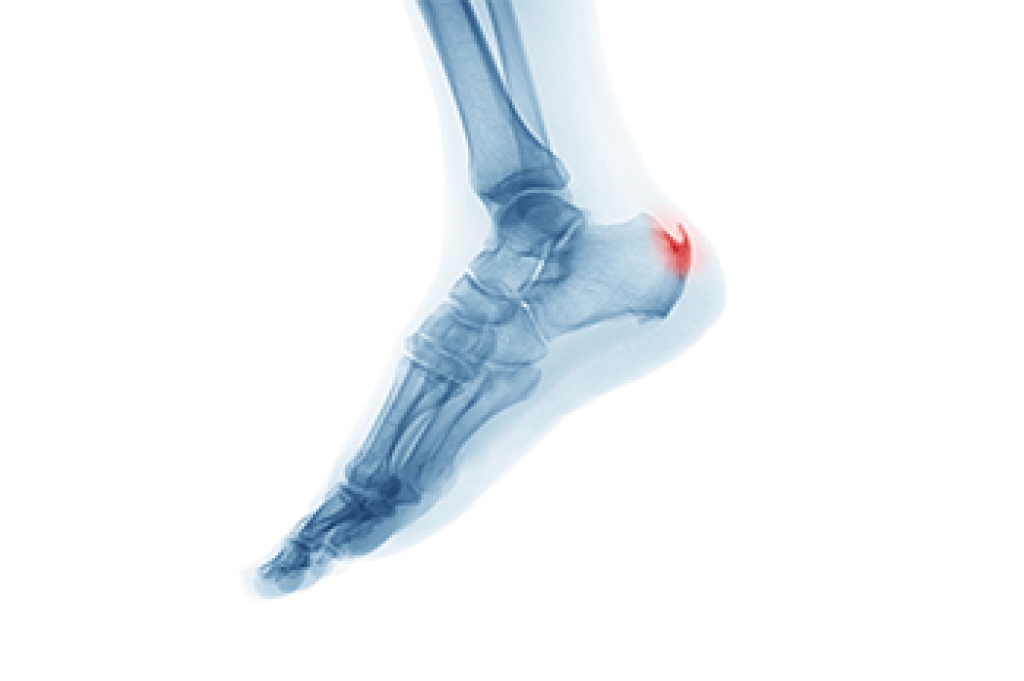
Possible Relief Methods for Heel Spurs

A heel spur develops between the heel and arch of the foot. It is a calcium deposit that is often accompanied by severe heel pain. Heel spurs can appear to be pointy or hooked and can be up to a half-inch long. Heel pain often requires a visit to the podiatrist, who can effectively diagnose the cause. This can be done by having an X-ray, which can help rule out other foot conditions. Many people develop heel spurs from wearing shoes that do not fit correctly. This can cause strain on the muscles and ligaments and can gradually wear out the soft tissues. Additional reasons why heel spurs can develop may include being overweight and frequently participating in running and jumping activities. Resting the affected foot may provide temporary relief, and it may help to wear shoes that have a cushioned heel. If you have heel pain, it is suggested that you consult with a podiatrist who can offer you options for permanent relief.

Heel spurs can be incredibly painful and sometimes may make you unable to participate in physical activities. To get medical care for your heel spurs, contact Kelly Whaley, DPM from Ohio. Our doctor will do everything possible to treat your condition.

Heels Spurs

Heel spurs are formed by calcium deposits on the back of the foot where the heel is. This can also be caused by small fragments of bone breaking off one section of the foot, attaching onto the back of the foot. Heel spurs can also be bone growth on the back of the foot and may grow in the direction of the arch of the foot.

Older individuals usually suffer from heel spurs and pain sometimes intensifies with age. One of the main condition's spurs are related to is plantar fasciitis.

Pain

The pain associated with spurs is often because of weight placed on the feet. When someone is walking, their entire weight is concentrated on the feet. Bone spurs then have the tendency to affect other bones and tissues around the foot. As the pain continues, the feet will become tender and sensitive over time.

Treatments

There are many ways to treat heel spurs. If one is suffering from heel spurs in conjunction with pain, there are several methods for healing. Medication, surgery, and herbal care are some options.

If you have any questions, please feel free to contact our office located in Willoughby, OH . We offer the newest diagnostic and treatment technologies for all your foot care needs.


Read more about How to Treat Heel Spurs

History of Flip-Flops

Flip-flops are notoriously a potentially detrimental type of footwear that can wreak havoc on the health of an individual’s feet. Flip-flops were originally created to be only a summer-time shoe, used for beachwear. The name “flip-flops” became popularized in the 1950s. Since this time, flip-flops have grown in popularity and the shoe has been used outside of the beach context. Unfortunately, flip-flops do not provide significant foot support, which can essentially set the foot up for the development of a foot condition or affliction. Since the toes must scrunch up to keep the shoe on the foot, this can also set the foot up for the onset of a foot condition. If you wear flip-flops, it is suggested that you contact a podiatrist today for more information.

Flip-flops are not always the best choice of footwear. If you have any concerns about your feet or ankles, contact Kelly Whaley, DPM from Ohio. Our doctor will assist you with all of your foot and ankle needs.

Flip-Flops and Feet

When the weather starts warming up, people enjoy wearing flip-flops.  Flip-flops are comfortable, stylish, and easy to slip on and off; they're perfect for any summer beach goer.  However, these shoes can cause harm to the feet.

How Can Flip-Flops Affect Me Long-Term?

  • Ankle problems
  • Hip problems
  • Lower back problems
  • Pain in the balls of the feet
  • Problems with foot arches
  • Changes in the way you walk

Are There Injuries Associated with Flip-Flops?

Yes.  Since flip-flops are relatively weak and do not provide the same amount of support as sneakers, people who wear flip-flops regularly are more susceptible to injuries. On top of that, the open nature of the shoe makes your feet more prone to other problems, such as cuts and even infections.  Common injuries and ailments include:

  • Sprained ankles
  • Blisters
  • Infections
  • Cuts and Scrapes

I like Wearing Flip-Flops. Are There Safe Alternatives?

When buying flip-flops, try to find ones that have sturdy soles and that are made of high-quality materials that will support for your feet.  These flip-flops will cost more but will also last longer as a result.

If you have any questions, please feel free to contact our office located in Willoughby, OH . We offer the newest diagnostic and treatment technologies for all your foot care needs.

Read more about Flip Flops and Feet

Can Anyone Become a Podiatrist?

The area of the body that podiatrists treat are the feet, ankles, and lower legs. Common foot conditions can include plantar fasciitis, heel spurs, and diabetic foot wounds. Most podiatrists also perform foot surgery, which may include foot or ankle reconstruction. There are strict education requirements that must be completed to obtain a Doctorate in Podiatric Medicine. First, a bachelor’s degree, followed by a four-year podiatric medical school program. After medical school, a three-year residency must be completed, which provides hands-on learning in a hospital setting. If you are interested in pursuing a career in podiatry, it is suggested that you consult with a podiatrist who can answer questions and help you determine if podiatry is the right field for you.

If you are experiencing pain in the feet or ankles, don’t join the stubborn majority refusing treatment. Feel free to contact Kelly Whaley, DPM from Ohio. Our doctor can provide the care you need to keep you pain-free and on your feet.

What Is a Podiatrist?

Someone would seek the care of a podiatrist if they have suffered a foot injury or have common foot ailments such as heal spurs, bunions, arch problems, deformities, ingrown toenails, corns, foot and ankle problems, etc.

Podiatric Treatment

A podiatrist will treat the problematic areas of the feet, ankle or lower leg by prescribing the following:

  • Physical therapy
  • Drugs
  • Orthotic inserts or soles
  • Surgery on lower extremity fractures

A common podiatric procedure a podiatrist will use is a scanner or force plate which will allow the podiatrist to know the designs of orthotics. Patients are then told to follow a series of tasks to complete the treatment. The computer will scan the foot a see which areas show weight distribution and pressure points. The podiatrist will read the analysis and then determine which treatment plans are available.

If you have any questions, please feel free to contact our office located in Willoughby, OH . We offer the newest diagnostic and treatment technologies for all your foot care needs.

Read more about What is a Podiatrist?

Shoe Width When Working on the Feet

When an individual works throughout the workday while standing on their feet, they may be setting themselves up for a foot condition. Due to the nature of one’s employment, working on the feet might be unavoidable. This is true for hair stylists, cashiers, factory line workers, and others. Therefore, these individuals ought to do everything they can to protect their feet. This might include taking such steps as wearing shoes that are wider. It is a well-known fact that one’s feet often expand throughout the day. Thus, wearing wider shoes might accommodate expanding feet. If you are someone that must stand for many hours of the workday, it is suggested that you contact a podiatrist for an appointment.

While working on the feet, it is important to take the proper care of them. For more information about working on your feet, contact Kelly Whaley, DPM from Ohio. Our doctor will treat your foot and ankle needs.

Working on Your Feet

Standing on your feet for long periods of time can cause stress and pain in your feet. Your whole body may experience change in terms of posture, back pain, bunions, callouses and or plantar warts. There are ways to avoid these conditions with proper foot care, smart choices and correct posture.

Positive Changes

Negative heeled shoe – Choosing this shoe type places the heel slightly lower than the ball of the foot. These are great for overall foot health. Find shoes that fit you correctly.

Go barefoot – Our feet were not designed to be enclosed for all hours of the day. Try to periodically expose your feet to air.

Eliminate Pain

Foot Exercises – Performing simple exercises, incorporating yoga and doing stretches are beneficial. This will allow increased blood flow to the area and muscles of the foot.

Achilles tendon – Stretching the foot out flat on the floor will relax the calf muscles and tendon. These exercises can be performed almost anywhere. Make sure you add these exercises to your daily regimen. 

With a little bit of this information and knowing more about foot health, you will notice changes. Foot stretches and proper footwear will help with pain and prevent further issues.

If you have any questions please contact our office located in Willoughby, OH . We offer the newest diagnostic and treatment technologies for all your foot and ankle needs.

Read more about How to Handle a Long Work Day on Your Feet

Get Professional Care for a Broken Foot or Ankle

Constant care and regular evaluation are important for a foot or ankle fracture. If left untreated, foot or ankle fractures can worsen over time and create more serious problems.

Don't wait to be examined if you believe you've experienced a foot or ankle fracture.

Advanced Podiatric Procedures & Services in the Lake County and Cuyahoga County, OH areas