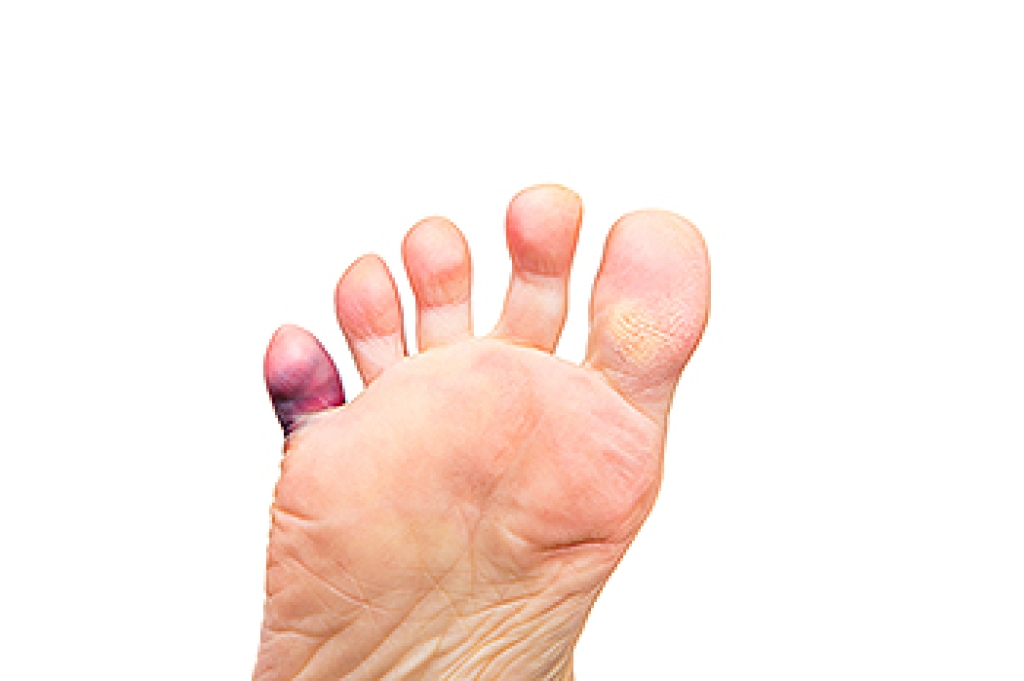
What is a Tailor’s Bunion?

Tailor's bunions, also known as bunionettes, are bony protrusions that develop on the outside of the foot at the base of the little toe. Similar to traditional bunions, they can cause pain, inflammation, redness, and difficulty wearing certain shoes. Tailor's bunions are often caused by pressure and friction, leading to the misalignment of the fifth metatarsal bone and the little toe. The discomfort and limitations caused by tailor's bunions can significantly impact one's quality of life, especially in terms of footwear choices and mobility. Simple activities such as walking or standing can become painful and challenging. If you have such a bunion and it is causing severe pain, it is suggested that you make an appointment with a podiatrist for interventions that can help.

If you are suffering from bunion pain, contact Kelly Whaley, DPM of Ohio. Our doctor can provide the care you need to keep you pain-free and on your feet.

What Is a Bunion?

Bunions are painful bony bumps that usually develop on the inside of the foot at the joint of the big toe. As the deformity increases over time, it may become painful to walk and wear shoes. Women are more likely to exacerbate existing bunions since they often wear tight, narrow shoes that shift their toes together. Bunion pain can be relieved by wearing wider shoes with enough room for the toes.

Causes

  • Genetics – some people inherit feet that are more prone to bunion development
  • Inflammatory Conditions - rheumatoid arthritis and polio may cause bunion development

Symptoms

  • Redness and inflammation
  • Pain and tenderness
  • Callus or corns on the bump
  • Restricted motion in the big toe

In order to diagnose your bunion, your podiatrist may ask about your medical history, symptoms, and general health. Your doctor might also order an x-ray to take a closer look at your feet. Nonsurgical treatment options include orthotics, padding, icing, changes in footwear, and medication. If nonsurgical treatments don’t alleviate your bunion pain, surgery may be necessary.

If you have any questions, please feel free to contact our office located in Willoughby, OH . We offer the newest diagnostic and treatment technologies for all your foot care needs.

Read more about Bunions

Causes of Cold Feet and Poor Circulation

Cold feet can often signal poor circulation, a condition where blood flow to your extremities, especially the feet, is not adequate. There are several common causes of poor circulation in the feet. One is peripheral artery disease, where arteries narrow due to plaque buildup, reducing blood flow to your lower limbs. Diabetes can also contribute to poor circulation due to high blood sugar levels damaging blood vessels and nerves, leading to decreased sensation and blood flow. Additionally, conditions like Raynaud's disease cause blood vessels to narrow dramatically in response to cold or stress, further limiting blood flow. Smoking also worsens circulatory issues as it constricts blood vessels. It is important to get checked for any underlying health issues if you have circulatory issues in the feet and lower limbs. If you are experiencing cold feet on a regular basis, it is suggested that you consult a podiatrist, a foot doctor who can diagnose the source of the issue and offer treatment solutions for poor circulation. 

While poor circulation itself isn’t a condition; it is a symptom of another underlying health condition you may have. If you have any concerns with poor circulation in your feet contact Kelly Whaley, DPM of Ohio. Our doctor will treat your foot and ankle needs.

Poor Circulation in the Feet

Peripheral artery disease (PAD) can potentially lead to poor circulation in the lower extremities. PAD is a condition that causes the blood vessels and arteries to narrow. In a linked condition called atherosclerosis, the arteries stiffen up due to a buildup of plaque in the arteries and blood vessels. These two conditions can cause a decrease in the amount of blood that flows to your extremities, therefore resulting in pain.

Symptoms

Some of the most common symptoms of poor circulation are:

  • Numbness
  • Tingling
  • Throbbing or stinging pain in limbs
  • Pain
  • Muscle Cramps

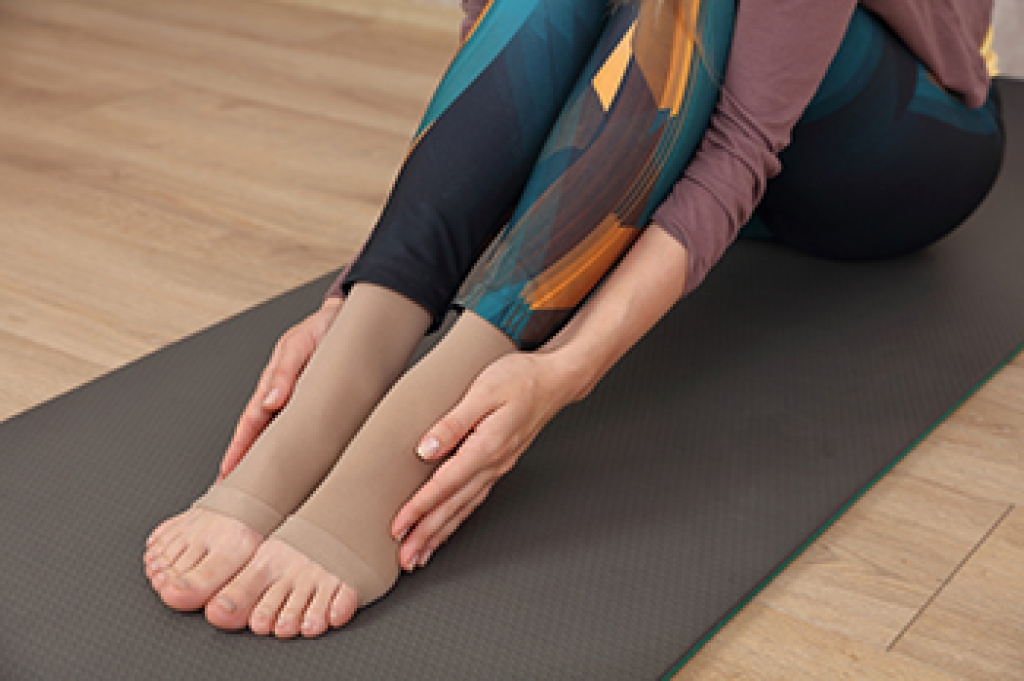
Treatment for poor circulation often depends on the underlying condition that causes it. Methods for treatment may include insulin for diabetes, special exercise programs, surgery for varicose veins, or compression socks for swollen legs.

As always, see a podiatrist as he or she will assist in finding a regimen that suits you. A podiatrist can also prescribe you any needed medication. 

If you have any questions, please feel free to contact our office located in Willoughby, OH . We offer the newest diagnostic and treatment technologies for all your foot care needs.
Read more about Causes Symptoms and Treatment for Poor Circulation in the Feet

Symptoms of an Ankle Sprain

An ankle sprain is a common yet potentially debilitating injury. A sprain occurs when the ligaments that support the ankle joint are stretched or torn. People with an ankle sprain often report a variety of symptoms that can vary depending on the severity of the injury. At first, the affected area may exhibit swelling and bruising. Pain is a hallmark symptom, and it may intensify when weight is applied to the injured foot. In more severe cases, someone may hear or feel a popping sound at the moment of injury, indicating a possible ligament rupture. The ankle joint may have a reduced range of motion and can feel tender to the touch. These symptoms collectively impair an individual's ability to perform daily activities, making it important to get professional evaluation and treatment. A podiatrist can accurately assess the extent of the damage of an ankle sprain through physical examination and imaging tests. If you suspect an ankle sprain, it is suggested you make an appointment with a podiatrist for diagnosis and an appropriate treatment plan.

Ankle sprains are common but need immediate attention. If you need your feet checked, contact Kelly Whaley, DPM from Ohio. Our doctor can provide the care you need to keep you pain-free and on your feet.

How Does an Ankle Sprain Occur?

Ankle sprains take place when the ligaments in your ankle are torn or stretched beyond their limits. There are multiple ways that the ankle can become injured, including twisting or rolling over onto your ankle, putting undue stress on it, or causing trauma to the ankle itself.

What Are the Symptoms?

  • Mild to moderate bruising
  • Limited mobility
  • Swelling
  • Discoloration of the skin (depending on severity)

Preventing a Sprain

  • Wearing appropriate shoes for the occasion
  • Stretching before exercises and sports
  • Knowing your limits

Treatment of a Sprain

Treatment of a sprain depends on the severity.  Many times, people are told to rest and remain off their feet completely, while others are given an air cast. If the sprain is very severe, surgery may be required.

If you have suffered an ankle sprain previously, you may want to consider additional support such as a brace and regular exercises to strengthen the ankle.

If you have any questions please feel free to contact our office located in Willoughby, OH . We offer the newest diagnostic tools and technology to treat your foot and ankle needs.

Read more about Ankle Sprains

Sever’s Disease and How to Find Relief

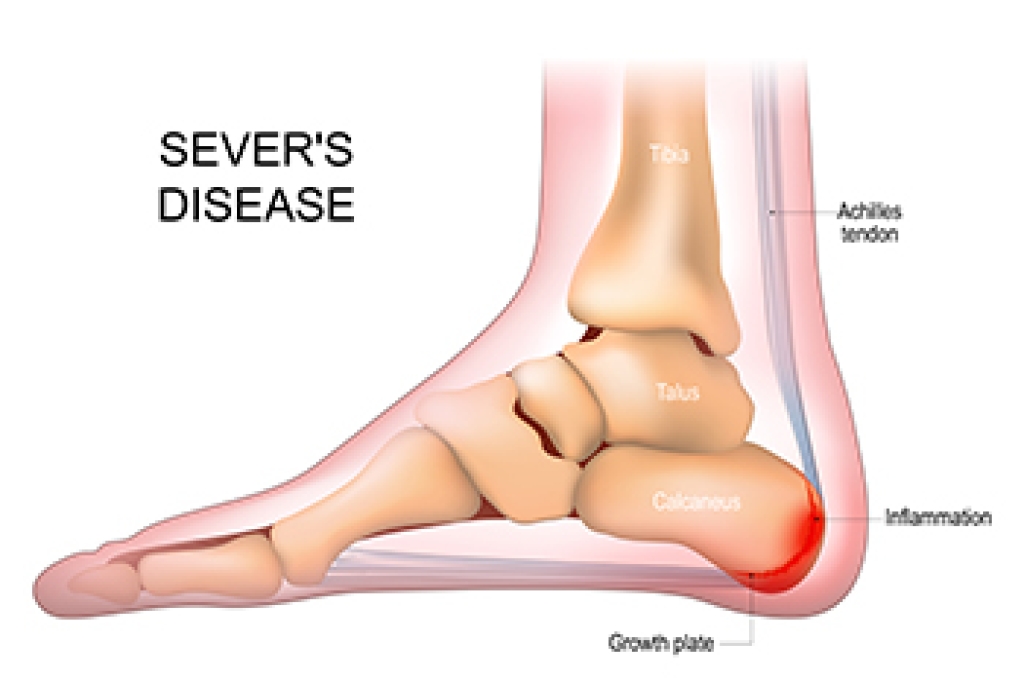
Sever’s disease, a common cause of heel pain in children, happens due to overuse. It is caused by repetitive strain on the heel bone's growth plate from the calf muscles pulling on the Achilles tendon. Risk factors can include flat feet, having tight muscles, running on hard surfaces, and wearing shoes that do not fit well. It typically occurs during bone growth years, between the ages of 7 to 15 years. Symptoms can include heel tenderness, tight calf muscles, and pain during activity. Diagnosis is based on history and examination, with some cases needing an MRI. Wearing custom-made orthotics and heel lifts may help patients to find relief, while severe cases may need a cast or boot. Complications are rare, and most patients recover in a few weeks to months, with a return to sports in two to eight weeks. If your child has heel pain, it is suggested that you schedule an appointment with a podiatrist for an accurate diagnosis and appropriate treatment.

Sever's disease often occurs in children and teens. If your child is experiencing foot or ankle pain, see Kelly Whaley, DPM from Ohio. Our doctor can treat your child’s foot and ankle needs.

Sever’s Disease

Sever’s disease is also known as calcaneal apophysitis, which is a medical condition that causes heel pain I none or both feet. The disease is known to affect children between the ages of 8 and 14.

Sever’s disease occurs when part of the child’s heel known as the growth plate (calcaneal epiphysis) is attached to the Achilles tendon. This area can suffer injury when the muscles and tendons of the growing foot do not keep pace with bone growth. Therefore, the constant pain which one experiences at the back of the heel will make the child unable to put any weight on the heel. The child is then forced to walk on their toes.

Symptoms

Acute pain – Pain associated with Sever’s disease is usually felt in the heel when the child engages in physical activity such as walking, jumping and or running.

Highly active – Children who are very active are among the most susceptible in experiencing Sever’s disease, because of the stress and tension placed on their feet.

If you have any questions, please feel free to contact our office located in Willoughby, OH . We offer the newest diagnostic and treatment technologies for all your foot care needs.

Read more about Sever's Disease

Are You Suffering From Ingrown Toenails?

If left untreated, an ingrown toenail can lead to more serious concerns, such as an infection. Knowing proper nail care can help in the prevention of an ingrown toenail. Give us a call, and get treated!

Advanced Podiatric Procedures & Services in the Lake County and Cuyahoga County, OH areas