How Psoriatic Arthritis Affects the Feet

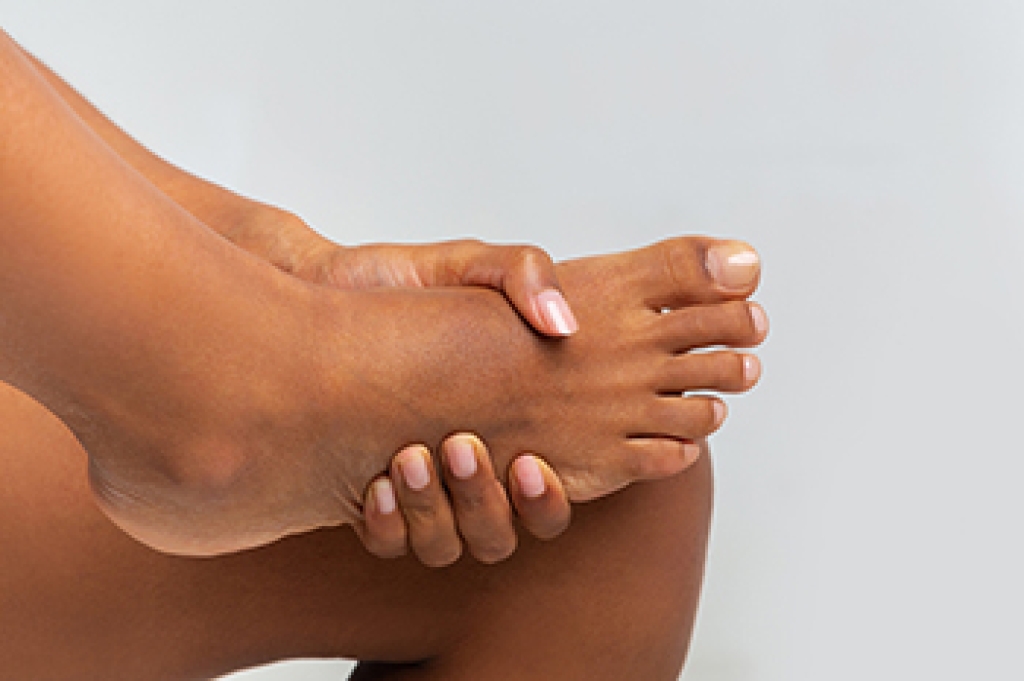
Psoriatic arthritis, or PsA, often affects the feet, leading to inflammation and discomfort in the toes, ankles, and heels. Psoriatic arthritis can cause inflammation where tendons or ligaments attach to bones, commonly affecting the Achilles tendon and the plantar fascia. It also may result in dactylitis, or sausage toes, which involves swelling of the entire toe that makes walking and wearing shoes painful. Nail changes, such as pitting or separation from the nail bed, are also common with PsA. It also can lead to joint damage and deformities if left untreated, causing significant limitations in mobility. A podiatrist can provide valuable care by addressing symptoms with treatments aimed at reducing pain and inflammation. Other measures include prescribing orthotics to support affected areas and suggesting ways to help manage the condition effectively. Regular care from a podiatrist can improve comfort, prevent further joint damage, and enhance mobility. If you have foot problems related to psoriatic arthritis, it is suggested that you schedule an appointment with a podiatrist for treatment options.

Arthritis can be a difficult condition to live with. If you are seeking treatment, contact Kelly Whaley, DPM from Ohio. Our doctor can provide the care you need to keep you pain-free and on your feet.

Arthritic Foot Care  

Arthritis is a joint disorder that involves the inflammation of different joints in your body, such as those in your feet. Arthritis is often caused by a degenerative joint disease and causes mild to severe pain in all affected areas. In addition to this, swelling and stiffness in the affected joints can also be a common symptom of arthritis.

In many cases, wearing ill-fitting shoes can worsen the effects and pain of arthritis. Wearing shoes that have a lower heel and extra room can help your feet feel more comfortable. In cases of rheumatoid arthritis, the arch in your foot may become problematic. Buying shoes with proper arch support that contour to your feet can help immensely.

Alleviating Arthritic Pain

  • Exercises that stretch the foot can prevent further pain and injury and increase mobility
  • Most of the pain can be alleviated with anti-inflammatory drugs, heat, and topical medications
  • Massages can help temporarily alleviate pain.

It is best to see your doctor for the treatment that is right for your needs and symptoms. Conditions vary, and a podiatrist can help you determine the right method of care for your feet.

If you have any questions please feel free to contact our office located in Willoughby, OH . We offer the newest diagnostic tools and technology to treat your foot and ankle needs.

Read more about Arthritic Foot Care

Marathon Running and Stress Fractures

Stress fractures are a common injury among first-time marathoners, often caused by the repetitive impact of running long distances. These small cracks in the bones, typically found in the feet or lower legs, occur when the body is not given enough time to recover between runs. First-time marathoners are particularly susceptible due to a sudden increase in training intensity or from wearing inadequate footwear. Repetitive striking of the ground with each step, combined with poor running form or weak muscles, can lead to these microfractures. The primary cause of stress fractures is overuse, but factors like improper shoes, running on hard surfaces, or inadequate nutrition can contribute. Symptoms include localized pain, swelling, and tenderness that worsens with activity. Early intervention is key to preventing further injury. A podiatrist can diagnose the fractures, provide a treatment plan, and offer advice on proper footwear, running techniques, and rehabilitation exercises to prevent future issues. If you are a first-time marathoner experiencing pain, it is suggested that you schedule an appointment with a podiatrist.

Activities where too much pressure is put on the feet can cause stress fractures. To learn more, contact Kelly Whaley, DPM from Ohio. Our doctor can provide the care you need to keep your pain free and on your feet.

Dealing with Stress Fractures of the Foot and Ankle

Stress fractures occur in the foot and ankle when muscles in these areas weaken from too much or too little use.  The feet and ankles then lose support when walking or running from the impact of the ground. Since there is no protection, the bones receive the full impact of each step. Stress on the feet can cause cracks to form in the bones, thus creating stress fractures.

What Are Stress Fractures?

Stress fractures occur frequently in individuals whose daily activities cause great impact on the feet and ankles. Stress factors are most common among:

  • Runners                                
  • People affected with Osteoporosis
  • Tennis or basketball players
  • Gymnasts
  • High impact workouts

Symptoms

Pain from the fractures occur in the area of the fractures and can be constant or intermittent. It will often cause sharp or dull pain with swelling and tenderness. Engaging in any kind of activity which involves high impact will aggravate pain.

If you have any questions please contact our office located in Willoughby, OH . We offer the newest diagnostic and treatment technologies for all your foot and ankle needs.

Read more about Dealing with Stress Fractures of the Foot and Ankle

The Importance of Tending to Ankle Pain

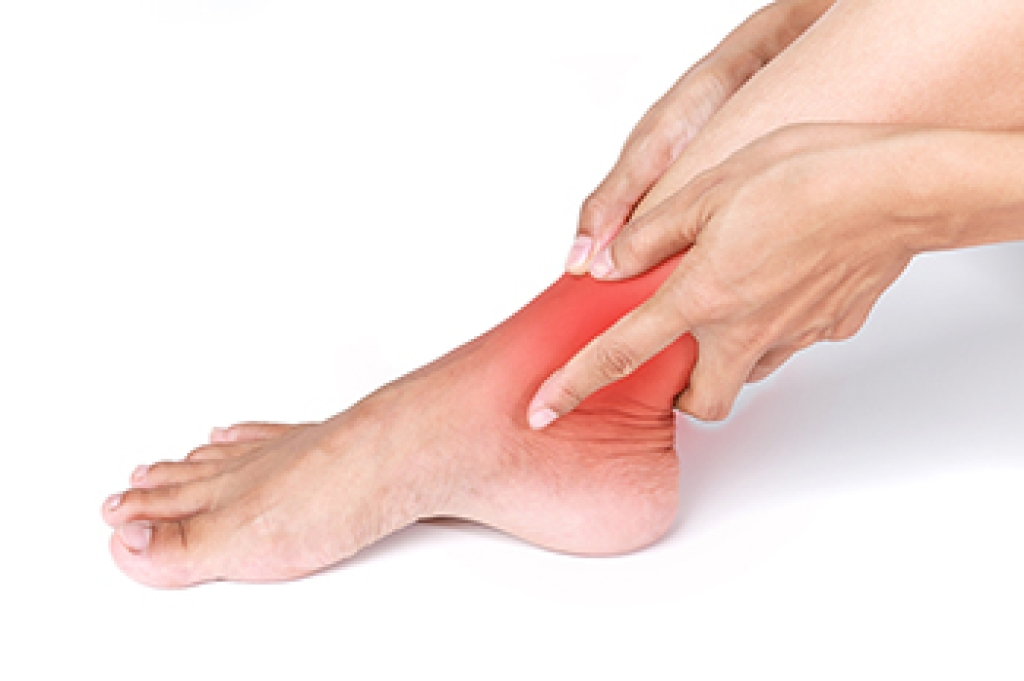
Ankle pain, often caused by injury, instability, or arthritis, can significantly increase the risk of developing osteoarthritis in the knee. When the ankle joint is compromised, it disrupts the natural biomechanics of walking leading to altered gait patterns. This imbalance shifts excessive stress to the knee joint as it compensates for the weakened ankle, accelerating cartilage wear and tear. Over time, the increased joint load contributes to inflammation, pain, and the progressive breakdown of knee cartilage, a hallmark of osteoarthritis. Addressing ankle pain early is essential to prevent this chain reaction. Podiatric treatments such as strengthening exercises, orthotics, or bracing can restore ankle stability and proper alignment. If you have ankle pain, it is suggested that you visit a podiatrist to have an exam and obtain treatment to prevent long-term complications, such as knee arthritis.

Ankle pain can be caused by a number of problems and may be potentially serious. If you have ankle pain, consult with Kelly Whaley, DPM from Ohio. Our doctor will assess your condition and provide you with quality foot and ankle treatment.

Ankle pain is any condition that causes pain in the ankle. Due to the fact that the ankle consists of tendons, muscles, bones, and ligaments, ankle pain can come from a number of different conditions.

Causes

The most common causes of ankle pain include:

  • Types of arthritis (rheumatoid, osteoarthritis, and gout)
  • Ankle sprains
  • Broken ankles
  • Achilles tendonitis
  • Achilles tendon rupture
  • Stress fractures
  • Bursitis
  • Tarsal tunnel syndrome
  • Plantar fasciitis

Symptoms

Symptoms of ankle injury vary based upon the condition. Pain may include general pain and discomfort, swelling, aching, redness, bruising, burning or stabbing sensations, and/or loss of sensation.

Diagnosis

Due to the wide variety of potential causes of ankle pain, podiatrists will utilize a number of different methods to properly diagnose ankle pain. This can include asking for personal and family medical histories and of any recent injuries. Further diagnosis may include sensation tests, a physical examination, and potentially x-rays or other imaging tests.

Treatment

Just as the range of causes varies widely, so do treatments. Some more common treatments are rest, ice packs, keeping pressure off the foot, orthotics and braces, medication for inflammation and pain, and surgery.

If you have any questions please feel free to contact our office located in Willoughby, OH . We offer the newest diagnostic tools and technology to treat your foot and ankle needs.

Read more about Ankle Pain

What Is Moccasin-Type Athlete’s Foot?

Moccasin-type athlete’s foot is a fungal infection that affects the soles of the feet, often causing dry, itchy, and thickened skin. Unlike the classic form of athlete’s foot, which typically appears between the toes, or a type that causes blisters on the sole of the foot, moccasin-type covers the bottom and sides of the foot, resembling the fit of a moccasin. This type can cause scaling, cracking, and even a rough texture that may extend to the heels. Moccasin-type athlete’s foot is stubborn and can be difficult to treat, as the fungus may penetrate deeper skin layers. People with sweaty feet, compromised immune systems, or a history of foot infections are at higher risk. Treatment often involves topical antifungal creams or, in persistent cases, oral antifungals. To prevent recurrence, keeping feet clean, dry, and wearing breathable shoes is essential. If you have developed what seems to be a fungal infection on your feet, it is suggested that you promptly schedule an appointment with a podiatrist for care.

Athlete’s Foot

Athlete’s foot is often an uncomfortable condition to experience. Thankfully, podiatrists specialize in treating athlete’s foot and offer the best treatment options. If you have any questions about athlete’s foot, consult with Kelly Whaley, DPM from Ohio. Our doctor will assess your condition and provide you with quality treatment.

What Is Athlete’s Foot?

Tinea pedis, more commonly known as athlete’s foot, is a non-serious and common fungal infection of the foot. Athlete’s foot is contagious and can be contracted by touching someone who has it or infected surfaces. The most common places contaminated by it are public showers, locker rooms, and swimming pools. Once contracted, it grows on feet that are left inside moist, dark, and warm shoes and socks.

Prevention

The most effective ways to prevent athlete’s foot include:

  • Thoroughly washing and drying feet
  • Avoid going barefoot in locker rooms and public showers
  • Using shower shoes in public showers
  • Wearing socks that allow the feet to breathe
  • Changing socks and shoes frequently if you sweat a lot

Symptoms

Athlete’s foot initially occurs as a rash between the toes. However, if left undiagnosed, it can spread to the sides and bottom of the feet, toenails, and if touched by hand, the hands themselves. Symptoms include:

  • Redness
  • Burning
  • Itching
  • Scaly and peeling skin

Diagnosis and Treatment

Diagnosis is quick and easy. Skin samples will be taken and either viewed under a microscope or sent to a lab for testing. Sometimes, a podiatrist can diagnose it based on simply looking at it. Once confirmed, treatment options include oral and topical antifungal medications.

If you have any questions, please feel free to contact our office located in Willoughby, OH . We offer the newest diagnostic and treatment technologies for all your foot care needs.

Read more about How to Deal with Athlete's Foot

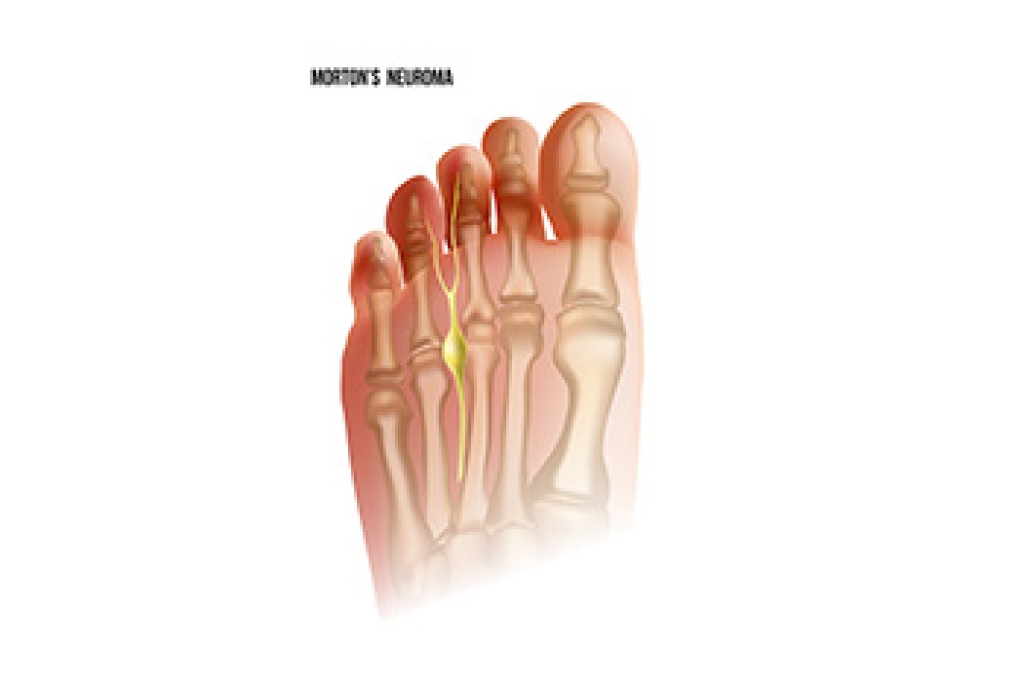
Is There a Link Between Morton’s Neuroma and Autoimmune Disease?

Morton's neuroma is a painful condition that affects the ball of the foot, typically between the third and fourth toes. It occurs when the tissue surrounding a nerve becomes thickened, leading to irritation and compression of the nerve. This can cause sharp, burning pain, numbness, or tingling in the affected area. While the exact cause of Morton's neuroma is not always clear, it is commonly associated with repetitive stress or pressure on the feet, such as wearing tight or high-heeled shoes or engaging in activities that put strain on the toes. It is not caused by an autoimmune disease, although autoimmune conditions may contribute to other foot issues. If you have pain in this part of your foot, it is suggested that you schedule an appointment with a podiatrist who can accurately diagnose and treat Morton’s neuroma.

Morton’s neuroma is a very uncomfortable condition to live with. If you think you have Morton’s neuroma, contact Kelly Whaley, DPM of Ohio. Our doctor will attend to all of your foot care needs and answer any of your related questions.  

Morton’s Neuroma

Morton's neuroma is a painful foot condition that commonly affects the areas between the second and third or third and fourth toe, although other areas of the foot are also susceptible. Morton’s neuroma is caused by an inflamed nerve in the foot that is being squeezed and aggravated by surrounding bones.

What Increases the Chances of Having Morton’s Neuroma?

  • Ill-fitting high heels or shoes that add pressure to the toe or foot
  • Jogging, running or any sport that involves constant impact to the foot
  • Flat feet, bunions, and any other foot deformities

Morton’s neuroma is a very treatable condition. Orthotics and shoe inserts can often be used to alleviate the pain on the forefront of the feet. In more severe cases, corticosteroids can also be prescribed. In order to figure out the best treatment for your neuroma, it’s recommended to seek the care of a podiatrist who can diagnose your condition and provide different treatment options.

If you have any questions, please feel free to contact our office located in Willoughby, OH . We offer the newest diagnostic and treatment technologies for all your foot care needs.

Read more about Morton's Neuroma

Advanced Podiatric Procedures & Services in the Lake County and Cuyahoga County, OH areas