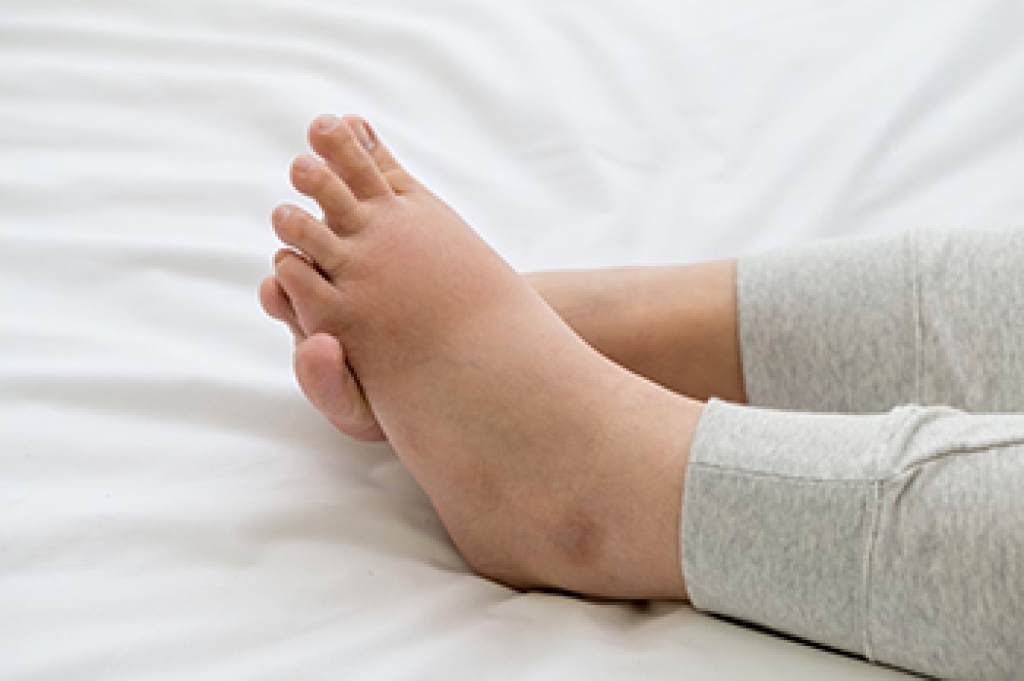
Are Swollen Ankles Normal During Pregnancy?

Having swollen feet and ankles is common during pregnancy. Some women refer to their swollen ankles as "cankles." The swelling can be quite evident in the third trimester, especially toward the end of the pregnancy. This is because of the increased blood and fluids the body produces while pregnant, which is necessary to support the growing fetus. It is suggested during pregnancy to drink plenty of water daily, avoid crossing your legs, and limit salt intake and time spent in the heat to help mitigate swollen feet and ankles. It is also helpful to elevate the feet, wear comfortable shoes, and engage in a gentle, consistent exercise routine. If you have questions about how your pregnancy can affect your feet, it is suggested that you confer with a podiatrist who can provide you with helpful relief tips.

Pregnant women with swollen feet can be treated with a variety of different methods that are readily available. For more information about other cures for swollen feet during pregnancy, consult with Kelly Whaley, DPM from Ohio. Our doctor will attend to all of your foot and ankle needs.

What Foot Problems Can Arise During Pregnancy?

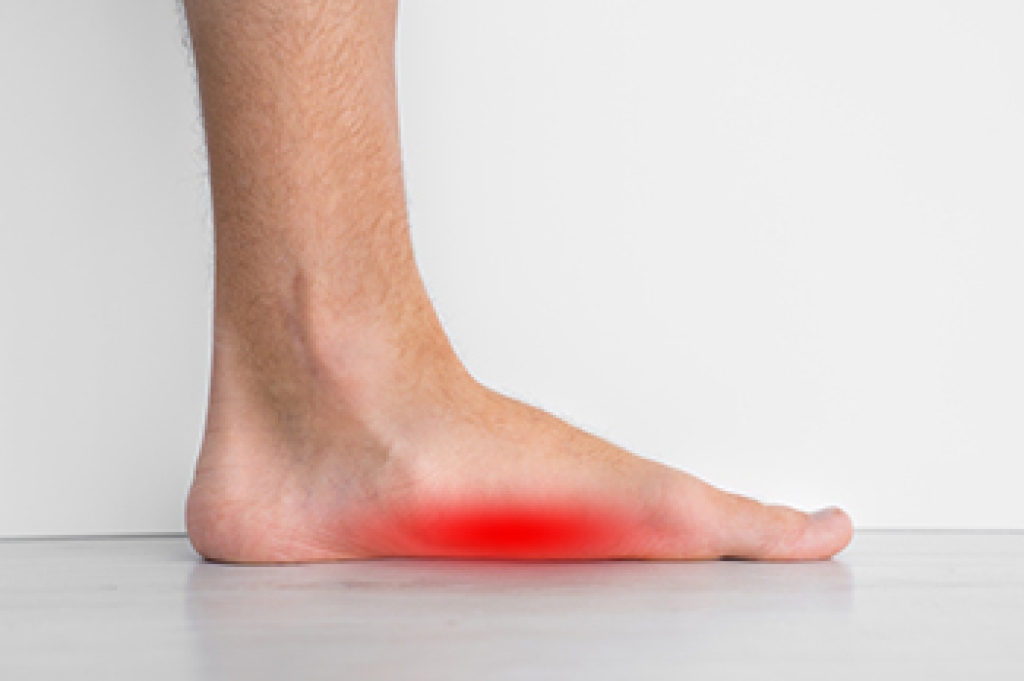
One problem that can occur is overpronation, which occurs when the arch of the foot flattens and tends to roll inward.  This can cause pain and discomfort in your heels while you’re walking or even just standing up, trying to support your baby.  

Another problem is edema, or swelling in the extremities. This often affects the feet during pregnancy but tends to occur in the later stages. 

How Can I Keep My Feet Healthy During Pregnancy?

  • Wearing orthotics can provide extra support for the feet and help distribute weight evenly
  • Minimize the amount of time spent walking barefoot
  • Wear shoes with good arch support
  • Wear shoes that allow for good circulation to the feet
  • Elevate feet if you experience swelling
  • Massage your feet
  • Get regular, light exercise, such as walking, to promote blood circulation to the feet

If you have any questions, please feel free to contact our office located in Willoughby, OH . We offer the newest diagnostic and treatment technologies for all your foot care needs.
Read more about Pregnancy and Foot Health

Wound Care on Children’s Feet

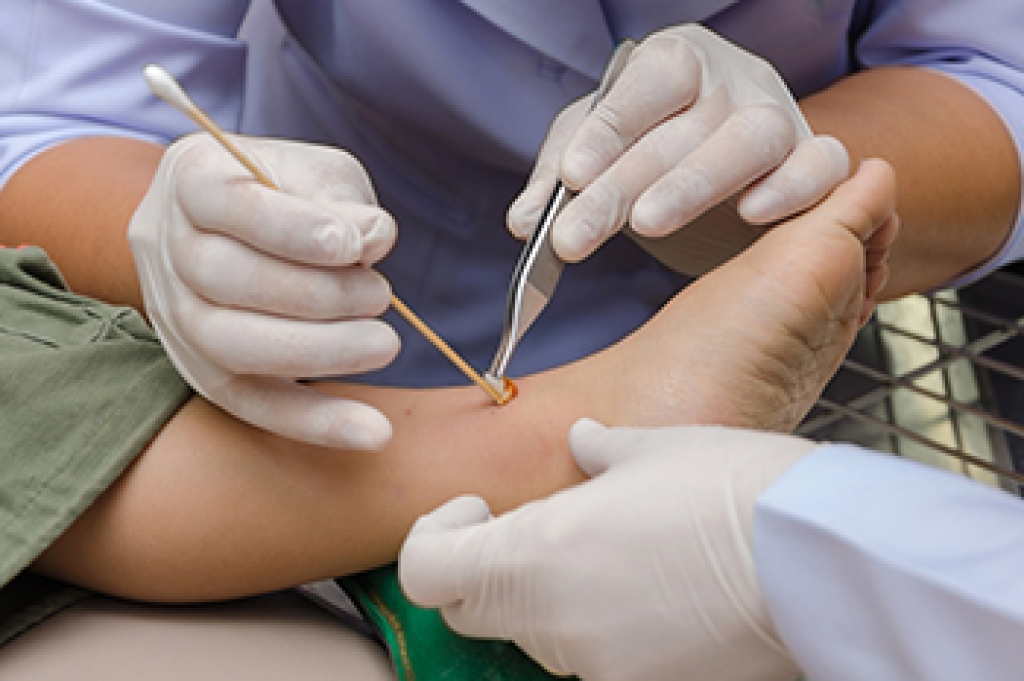
Wounds that develop on the feet ought to be taken care of as soon as possible. Ignoring these wounds could make the onset of infections more likely. Importantly, if you are a parent of a young child, you should be aware of the possibility of wounds developing on your child’s feet. Children are susceptible to developing wounds on the feet for many reasons. Most importantly, children are engaged in many types of physical activities throughout the day, such as on the playground or in gym class, and this can make them susceptible to developing such wounds. When your child does develop one of these wounds, it can be useful to remember to wash your hands before and after touching the wound. Also, when treating your child’s foot wound, you might do your best to keep the dressing around the wound dry. If a wound persists or worsens, it is suggested that you contact a podiatrist for guidance.

Wound care is an important part in dealing with diabetes. If you have diabetes and a foot wound or would like more information about wound care for diabetics, consult with Kelly Whaley, DPM from Ohio. Our doctor will assess your condition and provide you with quality foot and ankle treatment.

What Is Wound Care?

Wound care is the practice of taking proper care of a wound. This can range from the smallest to the largest of wounds. While everyone can benefit from proper wound care, it is much more important for diabetics. Diabetics often suffer from poor blood circulation which causes wounds to heal much slower than they would in a non-diabetic. 

What Is the Importance of Wound Care?

While it may not seem apparent with small ulcers on the foot, for diabetics, any size ulcer can become infected. Diabetics often also suffer from neuropathy, or nerve loss. This means they might not even feel when they have an ulcer on their foot. If the wound becomes severely infected, amputation may be necessary. Therefore, it is of the upmost importance to properly care for any and all foot wounds.

How to Care for Wounds

The best way to care for foot wounds is to prevent them. For diabetics, this means daily inspections of the feet for any signs of abnormalities or ulcers. It is also recommended to see a podiatrist several times a year for a foot inspection. If you do have an ulcer, run the wound under water to clear dirt from the wound; then apply antibiotic ointment to the wound and cover with a bandage. Bandages should be changed daily and keeping pressure off the wound is smart. It is advised to see a podiatrist, who can keep an eye on it.

If you have any questions please contact our office located in Willoughby, OH . We offer the newest diagnostic and treatment technologies for all your foot and ankle needs.

Read more about Wound Care

Stretching Flat Feet

Rigid flat feet are evident by the lack of arch while standing. Some people can see an arch when they’re sitting down which is referred to as flexible flat feet. Both conditions may cause the feet to feel achy, and there are specific stretches that may help to alleviate this. There are small muscles inside the foot that can improve the foot arch, and the short foot exercise may help to strengthen these muscles. This is done by keeping the foot on the floor while sitting in a chair, and sliding the front of the foot along the floor toward the heel. This is most effective when repeated up to ten times and after holding for several seconds. The calf stretch is a popular exercise to perform that may help to strengthen flat feet. This is done by standing against a wall, and extending one leg back until a gentle stretch is felt. If you would like more information about how to improve flat feet, please ask a podiatrist who can provide you with additional stretching techniques.

Flatfoot is a condition many people suffer from. If you have flat feet, contact Kelly Whaley, DPM from Ohio. Our doctor will treat your foot and ankle needs.

What Are Flat Feet?

Flatfoot is a condition in which the arch of the foot is depressed and the sole of the foot is almost completely in contact with the ground. About 20-30% of the population generally has flat feet because their arches never formed during growth.

Conditions & Problems:

Having flat feet makes it difficult to run or walk because of the stress placed on the ankles.

Alignment – The general alignment of your legs can be disrupted, because the ankles move inward which can cause major discomfort.

Knees – If you have complications with your knees, flat feet can be a contributor to arthritis in that area.  

Symptoms

  • Pain around the heel or arch area
  • Trouble standing on the tip toe
  • Swelling around the inside of the ankle
  • Flat look to one or both feet
  • Having your shoes feel uneven when worn

Treatment

If you are experiencing pain and stress on the foot you may weaken the posterior tibial tendon, which runs around the inside of the ankle. 

If you have any questions, please feel free to contact our office located in Willoughby, OH . We offer the newest diagnostic and treatment technologies for all your foot care needs.
Read more about Flat Feet

Heel Pain Can Happen for Different Reasons

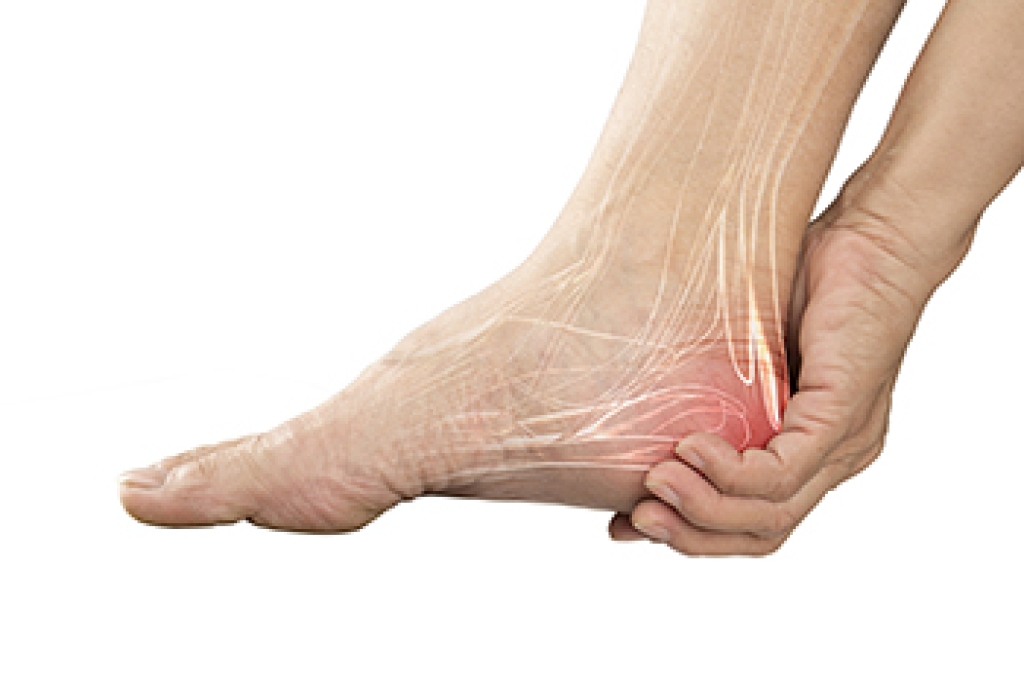
The heel is unique. It is a cushion of fatty tissue that maintains its shape despite the pressure that is endured daily. Heel pain can occur from wearing shoes that do not fit correctly or standing on hard surfaces for most of the day. Obesity may cause the heels to hurt and may be diminished when additional weight is shed. Some people are born with abnormal foot structures, and this may lead to chronic heel pain. Plantar fasciitis is a common condition of the heel that can cause pain and discomfort. A podiatrist can prescribe custom-made orthotics, which may help to provide relief, and surgery may be necessary for more severe cases. Children who participate in sporting activities may be prone to developing Sever’s disease. This condition affects the heels of children and young teenagers during growth spurts. If you have heel pain for any reason, it is strongly advised that you seek help from a podiatrist who can determine the cause and offer treatment options that are correct for you.

Many people suffer from bouts of heel pain. For more information, contact Kelly Whaley, DPM of Ohio. Our doctor can provide the care you need to keep you pain-free and on your feet.

Causes of Heel Pain

Heel pain is often associated with plantar fasciitis. The plantar fascia is a band of tissues that extends along the bottom of the foot. A rip or tear in this ligament can cause inflammation of the tissue.

Achilles tendonitis is another cause of heel pain. Inflammation of the Achilles tendon will cause pain from fractures and muscle tearing. Lack of flexibility is also another symptom.

Heel spurs are another cause of pain. When the tissues of the plantar fascia undergo a great deal of stress, it can lead to ligament separation from the heel bone, causing heel spurs.

Why Might Heel Pain Occur?

  • Wearing ill-fitting shoes                
  • Wearing non-supportive shoes
  • Weight change           
  • Excessive running

Treatments

Heel pain should be treated as soon as possible for immediate results. Keeping your feet in a stress-free environment will help. If you suffer from Achilles tendonitis or plantar fasciitis, applying ice will reduce the swelling. Stretching before an exercise like running will help the muscles. Using all these tips will help make heel pain a condition of the past.

If you have any questions, please feel free to contact our office located in Willoughby, OH . We offer the newest diagnostic and treatment technologies for all your foot care needs.
Read more about Heel Pain

We Can Treat Your Foot or Ankle Pain

Foot or ankle pain can negatively affect your day-to-day life and can occur due to several different conditions. Pain can also be an indicator of a more serious underlying condition, which is why you should seek professional help as soon as you notice any abnormalities in your feet.

Advanced Podiatric Procedures & Services in the Lake County and Cuyahoga County, OH areas