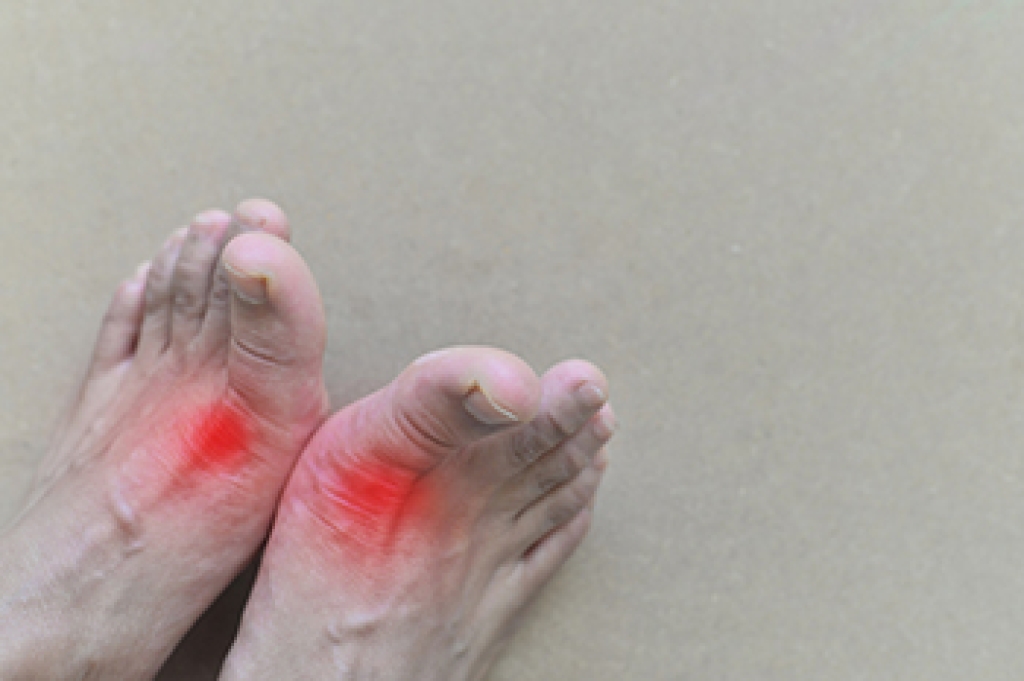
Living With Gout

Gout is a type of arthritis caused by a buildup of uric acid crystals in the joints, often affecting the big toe. It is more common in men and people with high levels of uric acid in their blood, which can result from poor diet, obesity, or certain medical conditions like kidney disease. Gout attacks are sudden and intense, often described as sharp, throbbing pain that can feel like the affected joint is on fire. The area becomes swollen, red, and tender to the touch, making it difficult to move the foot or walk. These flare-ups can last for days or weeks if not treated. To manage gout, lifestyle changes such as reducing alcohol and eating purine-rich foods like red meat are key. Anti-inflammatory medications and uric acid-lowering drugs can help relieve pain and prevent future attacks. A podiatrist can provide customized care, offer medication management, and suggest foot-friendly changes to alleviate pressure on the affected joint. If you are experiencing gout symptoms, it is suggested that you schedule an appointment with a podiatrist for effective treatment.

Gout is a painful condition that can be treated. If you are seeking treatment, contact Kelly Whaley, DPM from Ohio. Our doctor will treat your foot and ankle needs.

What Is Gout?

Gout is a form of arthritis that is characterized by sudden, severe attacks of pain, redness, and tenderness in the joints. The condition usually affects the joint at the base of the big toe. A gout attack can occur at any random time, such as the middle of the night while you are asleep.

Symptoms

  • Intense Joint Pain - Usually around the large joint of your big toe, and it most severe within the first four to twelve hours
  • Lingering Discomfort - Joint discomfort may last from a few days to a few weeks
  • Inflammation and Redness -Affected joints may become swollen, tender, warm and red
  • Limited Range of Motion - May experience a decrease in joint mobility

Risk Factors

  • Genetics - If family members have gout, you’re more likely to have it
  • Medications - Diuretic medications can raise uric acid levels
  • Gender/Age - Gout is more common in men until the age of 60. It is believed that estrogen protects women until that point
  • Diet - Eating red meat and shellfish increases your risk
  • Alcohol - Having more than two alcoholic drinks per day increases your risk
  • Obesity - Obese people are at a higher risk for gout

Prior to visiting your podiatrist to receive treatment for gout, there are a few things you should do beforehand. If you have gout you should write down your symptoms--including when they started and how often you experience them, important medical information you may have, and any questions you may have. Writing down these three things will help your podiatrist in assessing your specific situation so that he or she may provide the best route of treatment for you.

If you have any questions, please feel free to contact our office located in Willoughby, OH . We offer the newest diagnostic and treatment technologies for all your foot care needs.
Read more about Gout

Signs of Improved Toenail Fungus

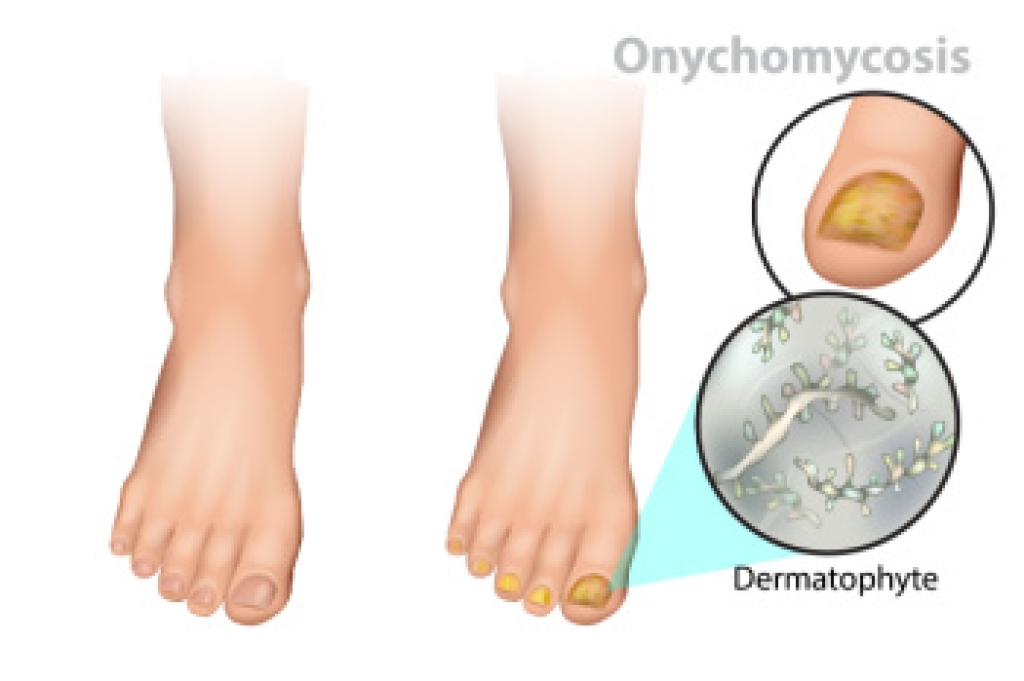
Toenail fungus can be a persistent and frustrating condition, but several signs indicate improvement after treatment. The color of the affected nail typically lightens, with less yellowing or discoloration as the nail begins to grow healthier. The thickness of the nail may also reduce, and the texture becomes smoother. As healing progresses, the area surrounding the nail becomes less inflamed or irritated, showing signs of recovery. Prescribed medications are often the first line of defense in treating toenail fungus. Podiatrists may recommend antifungal oral medications or topical treatments to combat the infection. For those who do not respond to medication, laser treatment has emerged as a promising alternative. Laser therapy targets the fungus directly, penetrating the nail to eliminate the infection. Toenail fungus can be unsightly, causing embarrassment. If you see signs of a toenail fungus. It is suggested that you promptly contact a podiatrist who can effectively treat this condition.

If left untreated, toenail fungus may spread to other toenails, skin, or even fingernails. If you suspect you have toenail fungus it is important to seek treatment right away. For more information about treatment, contact Kelly Whaley, DPM of Ohio. Our doctor can provide the care you need to keep you pain-free and on your feet.

Symptoms

  • Warped or oddly shaped nails
  • Yellowish nails
  • Loose/separated nail
  • Buildup of bits and pieces of nail fragments under the nail
  • Brittle, broken, thickened nail

Treatment

If self-care strategies and over-the-counter medications does not help your fungus, your podiatrist may give you a prescription drug instead. Even if you find relief from your toenail fungus symptoms, you may experience a repeat infection in the future.

Prevention

In order to prevent getting toenail fungus in the future, you should always make sure to wash your feet with soap and water. After washing, it is important to dry your feet thoroughly especially in between the toes. When trimming your toenails, be sure to trim straight across instead of in a rounded shape. It is crucial not to cover up discolored nails with nail polish because that will prevent your nail from being able to “breathe”.

In some cases, surgical procedure may be needed to remove the toenail fungus. Consult with your podiatrist about the best treatment options for your case of toenail fungus.  

If you have any questions please contact our office located in Willoughby, OH . We offer the newest diagnostic and treatment technologies for all your foot and ankle needs.

Read more about Treating Toenail Fungus

Preventing Toenail Issues While Running

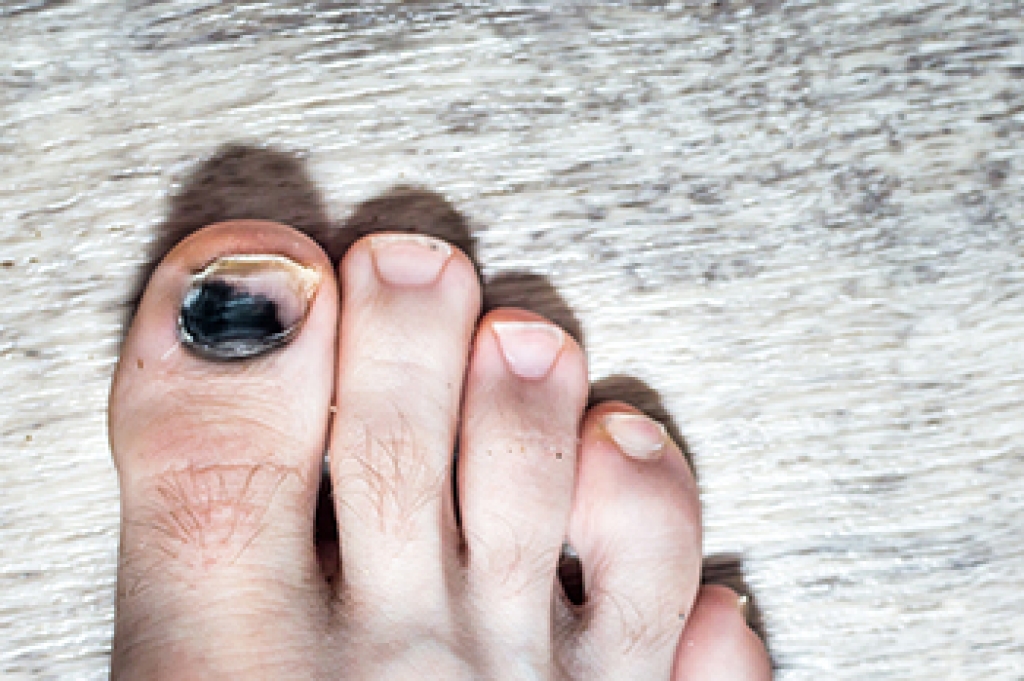
Running can put significant stress on the feet, often leading to various toenail issues. Common toenail conditions caused from running include black toenails, ingrown toenails and fungal infections, in addition to thickened nails, and toenail trauma. Black toenails usually occur from repeated impact, causing blood to pool under the nail. Ingrown toenails develop when the edges of the toenail grow into the surrounding skin, often causing pain and infection. Fungal infections thrive in a warm, moist environment created by sweat, leading to discoloration and thickened nails. Toenail trauma can happen from wearing ill-fitting shoes or improper running form. Preventing these issues requires wearing properly fitting shoes with enough room for the toes to move freely. Regularly trimming toenails straight across can help avoid ingrown nails, while keeping feet dry and using antifungal treatments can reduce the risk of infections. Additionally, performing proper nail care and recovery time after long runs can help prevent toenail damage. If you have developed toe pain from running, it is suggested that you consult a podiatrist who can provide an accurate diagnosis and treatment.

All runners should take extra precaution when trying to avoid injury. If you have any concerns about your feet, contact Kelly Whaley, DPM of Ohio. Our doctor will treat your foot and ankle needs.

How to Prevent Running Injuries

There are a lot of mistakes a runner can make prior to a workout that can induce injury. A lot of athletes tend to overstretch before running, instead of saving those workouts for a post-run routine. Deep lunges and hand-to-toe hamstring pulls should be performed after a workout instead of during a warmup. Another common mistake is jumping into an intense routine before your body is physically prepared for it. You should try to ease your way into long-distance running instead of forcing yourself to rush into it.

More Tips for Preventing Injury

  • Incorporate Strength Training into Workouts - This will help improve the body’s overall athleticism
  • Improve and Maintain Your Flexibility – Stretching everyday will help improve overall performance
  • “Warm Up” Before Running and “Cool Down” Afterward – A warm up of 5-10 minutes helps get rid of lactic acid in the muscles and prevents delayed muscle soreness
  • Cross-Training is Crucial
  • Wear Proper Running Shoes
  • Have a Formal Gait Analysis – Poor biomechanics can easily cause injury

If you have any questions, please feel free to contact our office located in Willoughby, OH . We offer the newest diagnostic and treatment technologies for all your foot care needs.
Read more about Preventing Running Injuries

Plantar Fasciitis and the Best Shoes for Relief

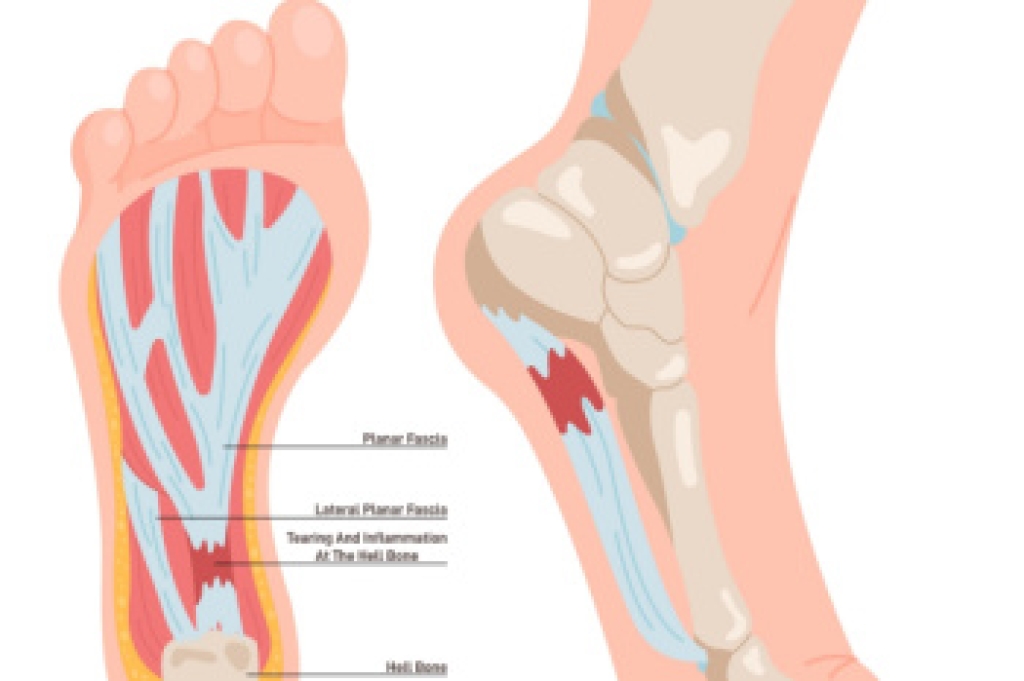
Plantar fasciitis is a common cause of heel pain, often resulting from inflammation of the thick band of tissue that runs along the bottom of the foot. This condition is typically aggravated by excessive pressure or overuse, leading to discomfort, particularly in the heel area. Wearing the right type of shoes is essential for managing and relieving plantar fasciitis. Shoes with good arch support help distribute pressure evenly across the foot, reducing strain on the plantar fascia. Cushioned soles provide shock absorption, which is especially beneficial for those who spend long hours standing or walking. Avoiding flat shoes or high heels is also important, as they do not offer adequate support. Instead, look for shoes with a low, supportive heel and a wide toe box that allows the toes to move freely. If you have heel pain, it is suggested that you consult a podiatrist who can accurately diagnose and treat this condition, in addition to guiding you toward optimum shoes to buy for relief.

Plantar fasciitis can be very painful and inconvenient. If you are experiencing heel pain or symptoms of plantar fasciitis, contact Kelly Whaley, DPM  from Ohio. Our doctor can provide the care you need to keep you pain-free and on your feet.

What Is Plantar Fasciitis?

Plantar fasciitis is the inflammation of the thick band of tissue that runs along the bottom of your foot, known as the plantar fascia, and causes mild to severe heel pain.

What Causes Plantar Fasciitis?

  • Excessive running
  • Non-supportive shoes
  • Overpronation
  • Repeated stretching and tearing of the plantar fascia

How Can It Be Treated?

  • Conservative measures – anti-inflammatories, ice packs, stretching exercises, physical therapy, orthotic devices
  • Shockwave therapy – sound waves are sent to the affected area to facilitate healing and are usually used for chronic cases of plantar fasciitis
  • Surgery – usually only used as a last resort when all else fails. The plantar fascia can be surgically detached from the heel

While very treatable, plantar fasciitis is definitely not something that should be ignored. Especially in severe cases, speaking to your doctor right away is highly recommended to avoid complications and severe heel pain. Your podiatrist can work with you to provide the appropriate treatment options tailored to your condition.

If you have any questions, please feel free to contact our office located in Willoughby, OH . We offer the newest diagnostic and treatment technologies for all your foot care needs.

Read more about Plantar Fasciitis

Advanced Podiatric Procedures & Services in the Lake County and Cuyahoga County, OH areas