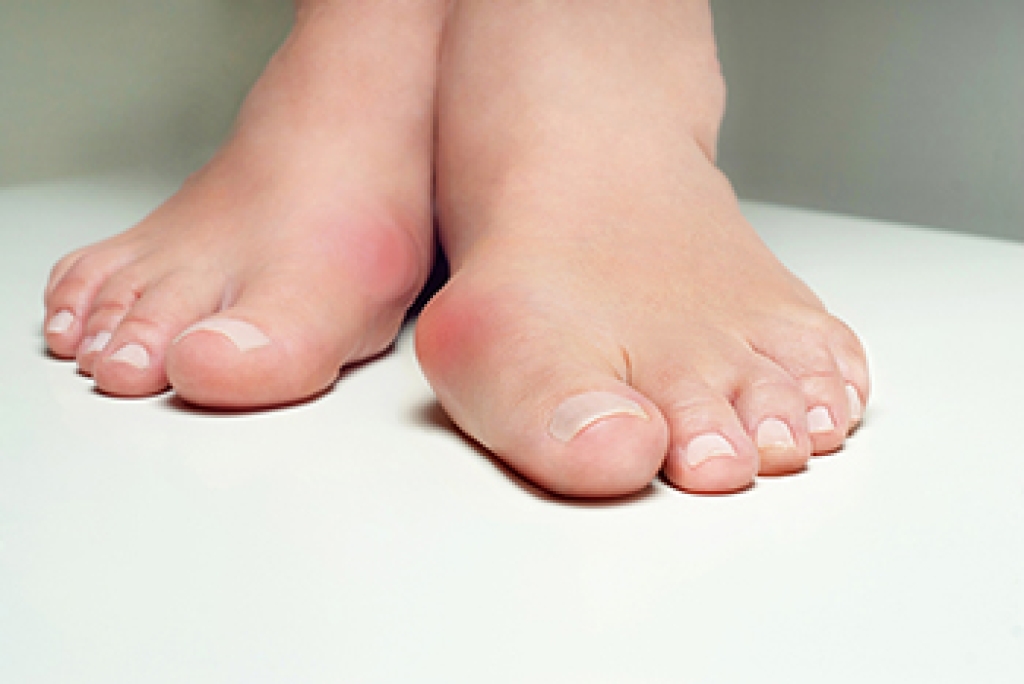
Facts About Bunions

Bunions, characterized by a bony bump on the side of the big toe, are often caused by genetic factors, wearing ill-fitting shoes, or excessive foot pressure. The condition arises when the big toe deviates towards the second toe, leading to a misalignment at the joint. Symptoms typically include pain, swelling, and redness surrounding the affected area, along with difficulty in finding comfortable shoes. To manage bunions, it is essential to wear properly fitting shoes with ample room for the toes and avoid high heels. In cases of severe discomfort or worsening deformity, consulting a podiatrist to talk about potential surgical options may be necessary. If you have developed a bunion, it is suggested that you are under the care of this type of doctor who can guide you toward the necessary treatment methods.

If you are suffering from bunion pain, contact Kelly Whaley, DPM of Ohio. Our doctor can provide the care you need to keep you pain-free and on your feet.

What Is a Bunion?

Bunions are painful bony bumps that usually develop on the inside of the foot at the joint of the big toe. As the deformity increases over time, it may become painful to walk and wear shoes. Women are more likely to exacerbate existing bunions since they often wear tight, narrow shoes that shift their toes together. Bunion pain can be relieved by wearing wider shoes with enough room for the toes.

Causes

  • Genetics – some people inherit feet that are more prone to bunion development
  • Inflammatory Conditions - rheumatoid arthritis and polio may cause bunion development

Symptoms

  • Redness and inflammation
  • Pain and tenderness
  • Callus or corns on the bump
  • Restricted motion in the big toe

In order to diagnose your bunion, your podiatrist may ask about your medical history, symptoms, and general health. Your doctor might also order an x-ray to take a closer look at your feet. Nonsurgical treatment options include orthotics, padding, icing, changes in footwear, and medication. If nonsurgical treatments don’t alleviate your bunion pain, surgery may be necessary.

If you have any questions, please feel free to contact our office located in Willoughby, OH . We offer the newest diagnostic and treatment technologies for all your foot care needs.

Read more about Bunions

Causes and Treatment of Foot Fractures

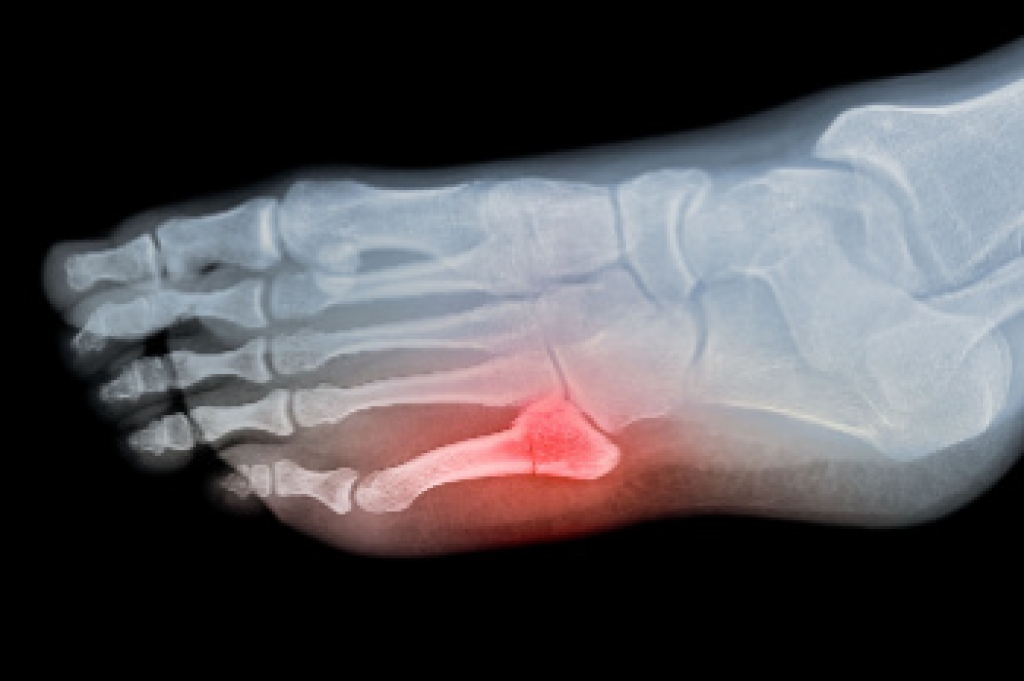
Foot fractures can affect various bones, including the toes, metatarsals, sesamoids, and those in the back of the foot. Foot fractures are usually the result of injuries from falls, twists, or direct impacts. The pain associated with foot fractures can significantly increase when weight is applied, making everyday activities challenging. A podiatrist can provide an expert diagnosis, recommend appropriate treatment depending on the cause, and manage rehabilitation. Diagnosing foot fractures typically requires an X-ray, or may necessitate other imaging tests like CT or MRI scans for complex cases. Treatment depends on the specific bone and type of fracture, generally involving immobilization with a splint, cast, or specialized shoe to protect the foot. Patients may be advised to avoid putting weight on the foot to facilitate healing, which can take several weeks. Once the pain subsides, special exercises may be recommended to restore mobility and strengthen the surrounding muscles. If you have fractured a bone in your foot, it is suggested that you schedule an appointment with a podiatrist for a diagnosis and treatment.

A broken foot requires immediate medical attention and treatment. If you need your feet checked, contact Kelly Whaley, DPM from Ohio. Our doctor can provide the care you need to keep you pain-free and on your feet.

Broken Foot Causes, Symptoms, and Treatment

A broken foot is caused by one of the bones in the foot typically breaking when bended, crushed, or stretched beyond its natural capabilities. Usually the location of the fracture indicates how the break occurred, whether it was through an object, fall, or any other type of injury. 

Common Symptoms of Broken Feet:

  • Bruising
  • Pain
  • Redness
  • Swelling
  • Blue in color
  • Numbness
  • Cold
  • Misshapen
  • Cuts
  • Deformities

Those that suspect they have a broken foot shoot seek urgent medical attention where a medical professional could diagnose the severity.

Treatment for broken bones varies depending on the cause, severity and location. Some will require the use of splints, casts or crutches while others could even involve surgery to repair the broken bones. Personal care includes the use of ice and keeping the foot stabilized and elevated.

If you have any questions, please feel free to contact our office located in Willoughby, OH . We offer the newest diagnostic and treatment technologies for all your foot care needs.
Read more about Causes, Symptoms, and Treatment for a Broken Foot

Common Foot Injuries From Pickleball

As pickleball gains popularity across the nation, foot and ankle injuries are becoming more common among players. The fast-paced, lateral movements and sudden stops required in pickleball often lead to strains, sprains, and fractures. Ankle sprains are frequent due to the rapid direction changes, while plantar fasciitis can develop from the repetitive stress on the feet. Achilles tendonitis is another concern, especially for older players, as the sport's dynamic movements can overburden this tendon at the back of the heel. Despite pickleball being a low-impact sport, the risk of injury to players remains significant. Regularly stretching and warming up before playing can help to avoid injuries, but seeing a podiatrist is essential for those experiencing foot pain. A podiatrist can diagnose and treat foot and ankle injuries, recommend proper footwear, and provide strategies to prevent future problems. If you have foot or ankle pain connected to playing pickleball, it is suggested that you schedule an appointment with a podiatrist. 

Ankle and foot injuries are common among athletes and in many sports. They can be caused by several problems and may be potentially serious. If you are feeling pain or think you were injured in a sporting event or when exercising, consult with Kelly Whaley, DPM from Ohio. Our doctor will assess your condition and provide you with quality foot and ankle treatment.

Common Injuries

The most common injuries that occur in sporting activities include:

  • Achilles Tendonitis
  • Achilles Tendon Rupture
  • Ankle Sprains
  • Broken Foot
  • Plantar Fasciitis
  • Stress Fractures
  • Turf Toe

Symptoms

Symptoms vary depending upon the injury and in some cases, there may be no symptoms at all. However, in most cases, some form of symptom is experienced. Pain, aching, burning, bruising, tenderness, tightness or stiffness, sensation loss, difficulty moving, and swelling are the most common symptoms.

Treatment

Just as symptoms vary depending upon the injury, so do treatment options. A common treatment method is known as the RICE method. This method involves rest, applying ice, compression and elevating the afflicted foot or ankle. If the injury appears to be more serious, surgery might be required, such as arthroscopic or reconstructive surgery. Lastly, rehabilitation or therapy might be needed to gain full functionality in the afflicted area. Any discomfort experienced by an athlete must be evaluated by a licensed, reputable medical professional.  

If you have any questions please contact our office located in Willoughby, OH . We offer the newest diagnostic and treatment technologies for all your foot and ankle needs.

Read more about Sports Related Foot and Ankle Injuries

Diabetic Foot Problems

Diabetes can lead to various foot problems caused by poor blood circulation and nerve damage, known as diabetic neuropathy. This condition reduces the ability to feel pain or temperature changes, increasing the risk of unnoticed injuries, blisters, or sores. Poor circulation also slows down the healing process, making minor foot issues more likely to develop into serious infections or ulcers. A routine foot care plan is essential for individuals with diabetes. This includes daily inspection of the feet for cuts, blisters, redness, or swelling, and keeping the feet clean and moisturized to prevent dry, cracked skin. Wearing well-fitting shoes and changing socks daily can help to prevent irritation and injury. Regularly trimming toenails and avoiding walking barefoot are also important preventive measures. If foot problems arise, such as persistent pain, swelling, or wounds that do not heal, it is strongly suggested that you visit a podiatrist immediately. This foot doctor can provide specialized care, help prevent complications, and develop a comprehensive foot care strategy to maintain foot health.

Diabetic foot care is important in preventing foot ailments such as ulcers. If you are suffering from diabetes or have any other concerns about your feet, contact Kelly Whaley, DPM from Ohio. Our doctor can provide the care you need to keep you pain-free and on your feet.

Diabetic Foot Care

Diabetes affects millions of people every year. The condition can damage blood vessels in many parts of the body, especially the feet. Because of this, taking care of your feet is essential if you have diabetes, and having a podiatrist help monitor your foot health is highly recommended.

The Importance of Caring for Your Feet

  • Routinely inspect your feet for bruises or sores.
  • Wear socks that fit your feet comfortably.
  • Wear comfortable shoes that provide adequate support.

Patients with diabetes should have their doctor monitor their blood levels, as blood sugar levels play such a huge role in diabetic care. Monitoring these levels on a regular basis is highly advised.

It is always best to inform your healthcare professional of any concerns you may have regarding your feet, especially for diabetic patients. Early treatment and routine foot examinations are keys to maintaining proper health, especially because severe complications can arise if proper treatment is not applied.

If you have any questions, please feel free to contact our office located in Willoughby, OH . We offer the newest diagnostic and treatment technologies for all your foot care needs.

Read more about Diabetic Foot Care

Why Live with Pain and Numbness in Your Feet?

Suffering from this type of pain? You may have the foot condition known as Morton's neuroma. Morton's neuroma may develop as a result of ill-fitting footwear and existing foot deformities. We can help.

Advanced Podiatric Procedures & Services in the Lake County and Cuyahoga County, OH areas