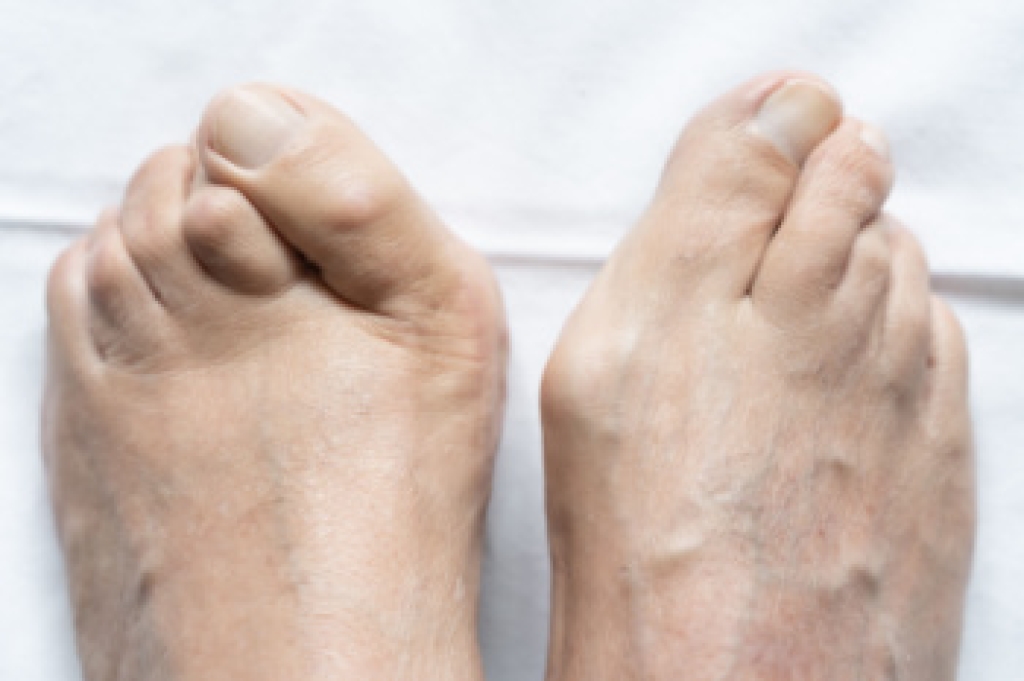
What to Know About Bunions

A bunion is a bony bump that forms at the base of the big toe, causing the joint to stick out and often push the toe inward. This condition develops slowly over time and may be caused by inherited foot structure, arthritis, or wearing tight, narrow shoes. Bunions can lead to pain, swelling, and difficulty finding comfortable footwear. The skin over the bunion may become red or irritated, especially after long periods of walking or standing. Wearing shoes with a wide toe box or using padding can help manage symptoms. In more advanced cases, custom orthotics or surgery may be recommended to correct the deformity. Early attention is key to preventing the bunion from worsening. If you have a painful bump on the side of your big toe or notice changes in the shape of your foot, it is suggested that you see a podiatrist for an evaluation and treatment options.

If you are suffering from bunions, contact Kelly Whaley, DPM of Ohio. Our doctor can provide the care you need to keep you pain-free and on your feet.

What Is a Bunion?

A bunion is formed of swollen tissue or an enlargement of boney growth, usually located at the base joint of the toe that connects to the foot. The swelling occurs due to the bones in the big toe shifting inward, which impacts the other toes of the foot. This causes the area around the base of the big toe to become inflamed and painful.

Why Do Bunions Form?

Genetics – Susceptibility to bunions are often hereditary

Stress on the feet – Poorly fitted and uncomfortable footwear that places stress on feet, such as heels, can worsen existing bunions

How Are Bunions Diagnosed?

Podiatrists often perform two tests – blood tests and x-rays – when trying to diagnose bunions, especially in the early stages of development. Blood tests help determine if the foot pain is being caused by something else, such as arthritis, while x-rays provide a clear picture of your bone structure to your provider.

How Are Bunions Treated?

  • Refrain from wearing heels or similar shoes that cause discomfort
  • Select wider shoes that can provide more comfort and reduce pain
  • Anti-inflammatory and pain management drugs
  • Orthotics or foot inserts
  • Surgery

If you have any questions, please feel free to contact our office located in Willoughby, OH . We offer the newest diagnostic and treatment technologies for all your foot care needs.
Read more about Bunions

Common Causes of Sore Feet

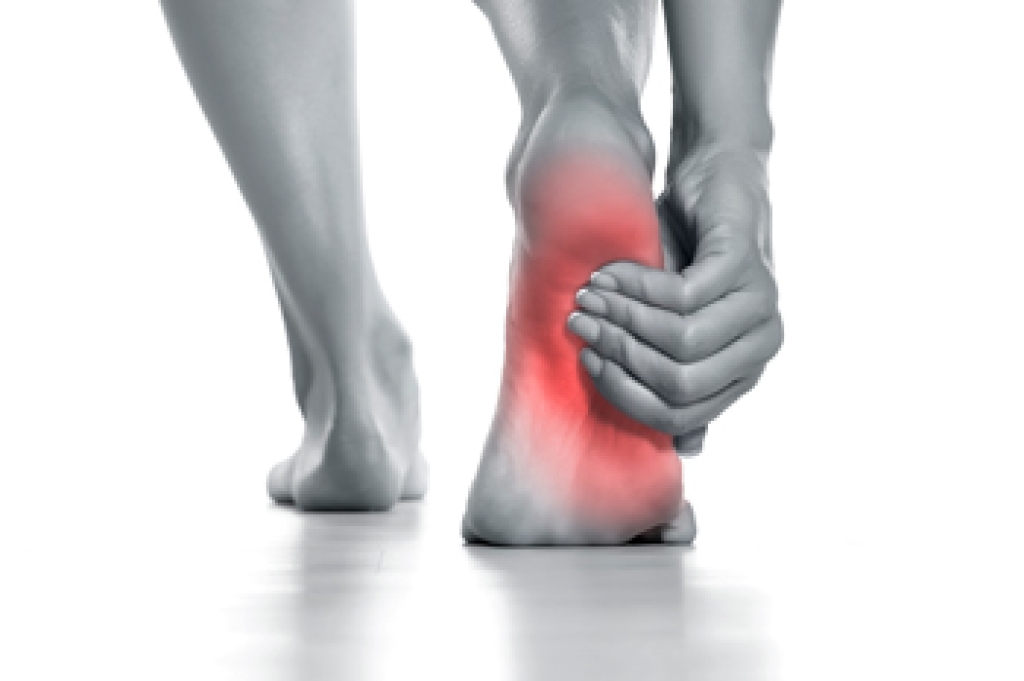
Sore feet can stem from many causes related to overuse, excessive pressure, or inflammation. Long hours of standing, especially without movement, can lead to poor circulation and fatigue in the feet. Wearing shoes that lack proper support or high heels may put extra strain on the heel bone, arch, or forefoot, leading to pain. Physical activity, such as running or walking long distances, may cause soreness in the feet due to stress on the muscles, tendons, and joints. Your foot’s structure also plays a role, as people with flat feet, bunions, or abnormal gait patterns may experience ongoing discomfort. Gout, an inflammatory condition, can lead to sharp foot pain, especially in the big toe. A podiatrist can identify the cause of your foot pain and provide appropriate treatment. If your feet are sore on a regular basis, it is suggested that you schedule an appointment with a podiatrist for an exam, diagnosis, and treatment.

Foot Pain

Foot pain can be extremely painful and debilitating. If you have a foot pain, consult with Kelly Whaley, DPM from Ohio. Our doctor will assess your condition and provide you with quality foot and ankle treatment.

Causes

Foot pain is a very broad condition that could be caused by one or more ailments. The most common include:

  • Bunions
  • Hammertoes
  • Plantar Fasciitis
  • Bone Spurs
  • Corns
  • Tarsal Tunnel Syndrome
  • Ingrown Toenails
  • Arthritis (such as Gout, Rheumatoid, and Osteoarthritis)
  • Flat Feet
  • Injury (from stress fractures, broken toe, foot, ankle, Achilles tendon ruptures, and sprains)
  • And more

Diagnosis

To figure out the cause of foot pain, podiatrists utilize several different methods. This can range from simple visual inspections and sensation tests to X-rays and MRI scans. Prior medical history, family medical history, and any recent physical traumatic events will all be taken into consideration for a proper diagnosis.

Treatment

Treatment depends upon the cause of the foot pain. Whether it is resting, staying off the foot, or having surgery; podiatrists have a number of treatment options available for foot pain.

If you have any questions, please feel free to contact our office located in Willoughby, OH . We offer the newest diagnostic and treatment technologies for all your foot care needs.
Read more about Foot Pain

Managing a Stubborn Ingrown Toenail

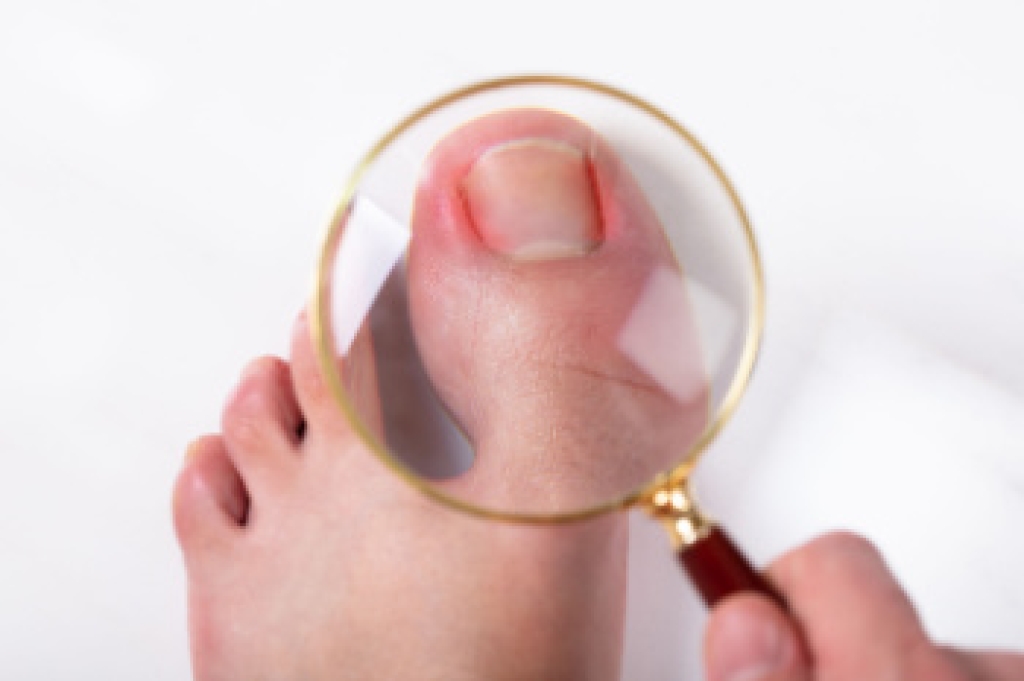
An ingrown toenail may seem minor at first but can quickly become painful and inflamed. It often starts when the side of the nail presses into the skin, causing swelling or tenderness. This can happen from cutting nails too short, wearing tight shoes, or an injury. Soaking your foot in warm water a few times a day may bring relief. Avoid picking at the nail or digging into the skin, as this can lead to infection. If pain continues or the area looks red and filled with fluid, medical care is often needed. A podiatrist can gently trim or remove the problem part of the nail. In severe or recurring cases, a simple procedure may prevent it from growing inward again. If your toe remains sore or swollen, it is suggested you see a podiatrist for further care.

Ingrown toenails can become painful if they are not treated properly. For more information about ingrown toenails, contact Kelly Whaley, DPM of Ohio. Our doctor can provide the care you need to keep you pain-free and on your feet.

Ingrown Toenails

Ingrown toenails occur when a toenail grows sideways into the bed of the nail, causing pain, swelling, and possibly infection.

Causes

  • Bacterial infections
  • Improper nail cutting such as cutting it too short or not straight across
  • Trauma to the toe, such as stubbing, which causes the nail to grow back irregularly
  • Ill-fitting shoes that bunch the toes too close together
  • Genetic predisposition

Prevention

Wearing proper fitting shoes and using proper cutting techniques will also help decrease your risk of developing ingrown toenails.

Treatment

Ingrown toenails are a very treatable foot condition. In minor cases, soaking the affected area in salt or antibacterial soaps will not only help with the ingrown nail itself, but also help prevent any infections from occurring. In more severe cases, surgery is an option. In either case, speaking to your podiatrist about this condition will help you get a better understanding of specific treatment options that are right for you.

If you have any questions, please feel free to contact our office located in Willoughby, OH . We offer the newest diagnostic and treatment technologies for all your foot care needs.

Read more about Ingrown Toenails

Symptoms and Causes of a Broken Pinky Toe

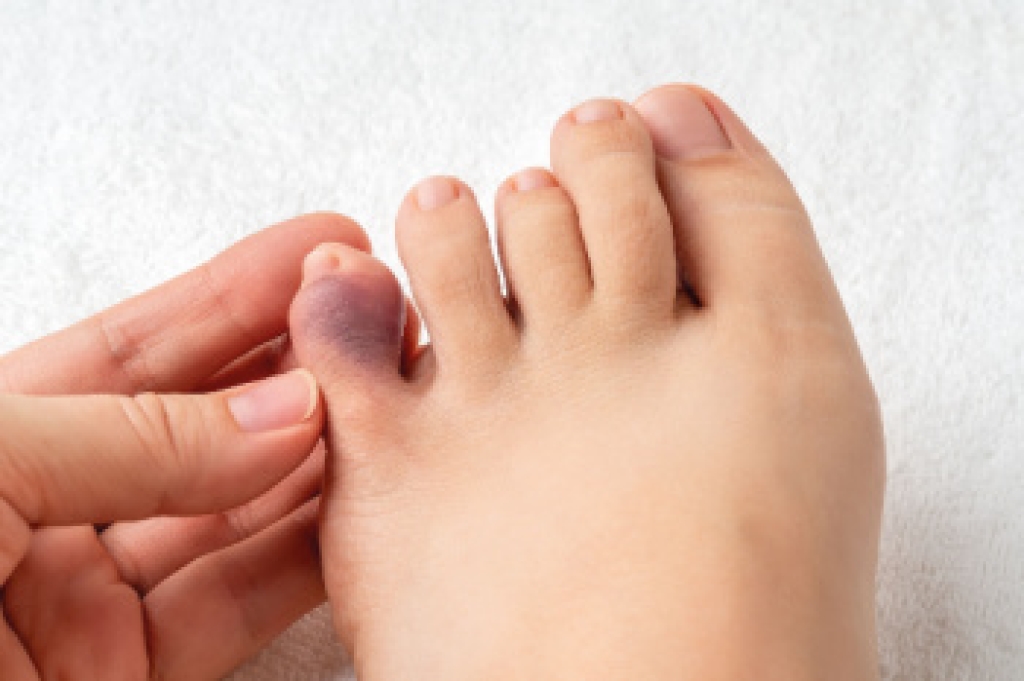
A broken pinky toe can cause significant discomfort despite the small size of the bone. Symptoms include immediate pain, swelling, bruising, and difficulty walking or putting weight on the foot. In some cases, the pinky toe may appear crooked or out of alignment, and touching or moving the toe can increase the pain. Causes of a broken pinky toe typically involve direct trauma, such as stubbing the toe against a hard object, dropping something heavy on the foot, or twisting the foot awkwardly during a fall or misstep. Stress fractures from repetitive impact activities can also affect the pinky toe. If you believe you have broken your toe, it is suggested that you contact a podiatrist who can  accurately diagnose this condition and offer appropriate treatment.

A broken toe can be very painful and lead to complications if not properly fixed. If you have any concerns about your feet, contact Kelly Whaley, DPM from Ohio. Our doctor will treat your foot and ankle needs.

What to Know About a Broken Toe

Although most people try to avoid foot trauma such as banging, stubbing, or dropping heavy objects on their feet, the unfortunate fact is that it is a common occurrence. Given the fact that toes are positioned in front of the feet, they typically sustain the brunt of such trauma. When trauma occurs to a toe, the result can be a painful break (fracture).

Symptoms of a Broken Toe

  • Throbbing pain
  • Swelling
  • Bruising on the skin and toenail
  • The inability to move the toe
  • Toe appears crooked or disfigured
  • Tingling or numbness in the toe

Generally, it is best to stay off of the injured toe with the affected foot elevated.

Severe toe fractures may be treated with a splint, cast, and in some cases, minor surgery. Due to its position and the pressure it endures with daily activity, future complications can occur if the big toe is not properly treated.

If you have any questions, please feel free to contact our office located in Willoughby, OH . We offer the newest diagnostic and treatment technologies for all your foot care needs.

Read more about What to Know About a Broken Toe

Keep Your Feet Healthy So You Can Stay Active

Have your feet inspected by a professional before starting a new sport or physical activity. Taking charge of your foot health will keep you in good physical condition and can help you avoid a potential injury, such as a fracture or sprained ankle.

Prevent injuries and see a foot specialist.

Advanced Podiatric Procedures & Services in the Lake County and Cuyahoga County, OH areas