
Relief for Acute Ankle Sprains

Acute ankle sprains are often caused by sudden twists that stretch or tear ligaments surrounding the ankle, causing pain, swelling, and difficulty while walking. Immediate treatment for an acute ankle sprain is important for effective recovery and to prevent long-term complications. Supportive measures include a lace-up brace, an air stirrup brace, or an elastic compression wrap to stabilize the injured ankle and promote faster healing. Early mobilization, as tolerated by pain levels, has been shown to aid in quicker recovery and reduce the risk of chronic ankle instability. Pain relief medications can help to manage inflammation and discomfort. Athletes and those prone to recurrent sprains may wish to consider using ankle supports during sports to prevent future injuries. If you have recently sprained your ankle or are experiencing persistent discomfort, it is suggested that you schedule an appointment with a podiatrist for a personalized treatment plan to ensure proper healing, and to minimize the chance of future ankle problems.

Although ankle sprains are common, they aren’t always minor injuries. If you need your ankle injury looked at, contact Kelly Whaley, DPM from Ohio. Our doctor can provide the care you need to keep you pain-free and on your feet.

How Does an Ankle Sprain Occur?

Ankle sprains are the result of a tear in the ligaments within the ankle. These injuries may happen when you make a rapid shifting movement while your foot is planted. A less common way to sprain your ankle is when your ankle rolls inward while your foot turns outward.

What Are the Symptoms?

  • Pain at the sight of the tear
  • Bruising/Swelling
  • Ankle area is tender to touch
  • In severe cases, may hear/feel something tear
  • Skin discoloration

Preventing a Sprain

  • Wearing appropriate shoes for the occasion
  • Stretching before exercises and sports
  • Knowing your limits

Treatment of a Sprain

In many cases, the RICE method (Rest, Ice, Compression, and Elevate) is used to treat ankle sprains. However, you should see a podiatrist to see which treatment option would work best with your injury. In severe cases, surgery may be required.

It is important to ask your doctor about rehab options after you receive treatment for your injury. Stretching, strength training, and balance exercises may help the ankle heal while also preventing further injury.

If you have any questions, please feel free to contact our office located in Willoughby, OH . We offer the newest diagnostic and treatment technologies for all your foot care needs.

Read more about Three Grades of Ankle Sprains

Understanding and Preventing Bunions

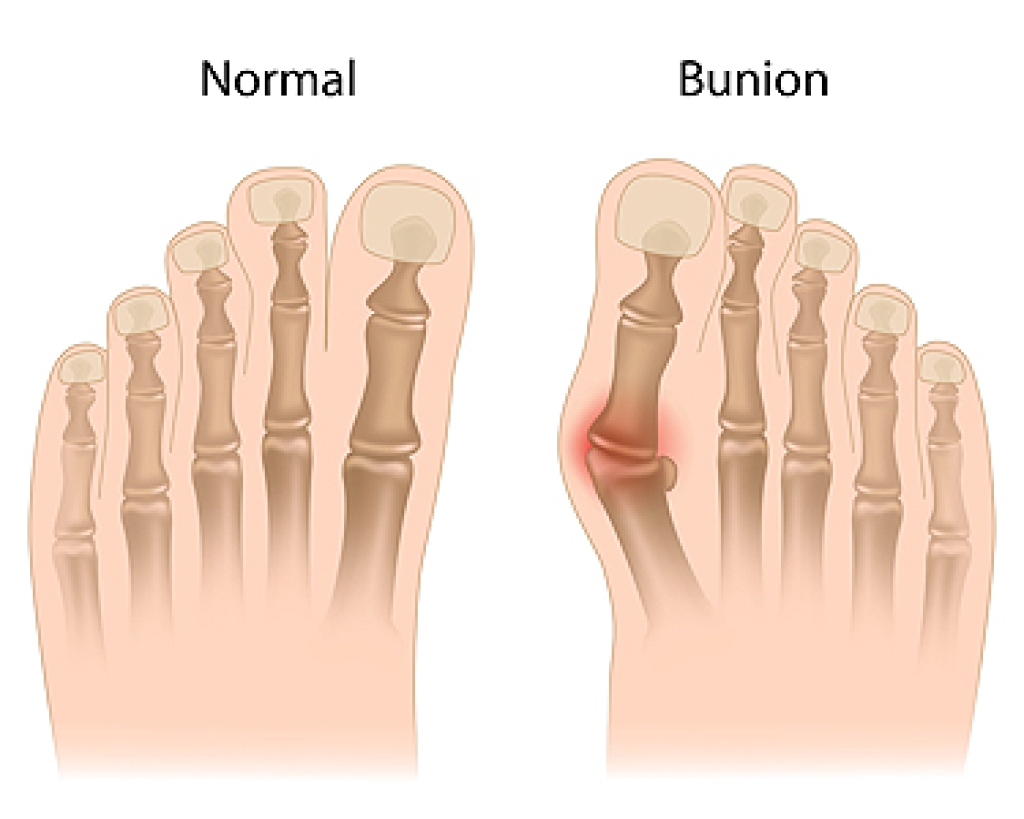
A bunion is a bony bump that forms at the base of the big toe, resulting from misalignment of the joint. It can cause pain, swelling, and difficulty in finding comfortable footwear. Genetics, wearing tight or ill-fitting shoes, and certain foot shapes can contribute to bunion development. To prevent bunions, it is important to wear shoes with a wide toe box and avoid high heels that put pressure on the front of the foot. Custom orthotics can provide support and alleviate pressure on the big toe joint. Stretching and strengthening exercises for the feet can improve alignment and reduce strain. Early intervention, such as using bunion pads and maintaining a healthy weight, can also help prevent the progression of bunions. If you have a bunion, it is suggested that you speak to a podiatrist who can provide you with additional methods for relief and treatment options.

If you are suffering from bunions, contact Kelly Whaley, DPM of Ohio. Our doctor can provide the care you need to keep you pain-free and on your feet.

What Is a Bunion?

A bunion is formed of swollen tissue or an enlargement of boney growth, usually located at the base joint of the toe that connects to the foot. The swelling occurs due to the bones in the big toe shifting inward, which impacts the other toes of the foot. This causes the area around the base of the big toe to become inflamed and painful.

Why Do Bunions Form?

Genetics – Susceptibility to bunions are often hereditary

Stress on the feet – Poorly fitted and uncomfortable footwear that places stress on feet, such as heels, can worsen existing bunions

How Are Bunions Diagnosed?

Doctors often perform two tests – blood tests and x-rays – when trying to diagnose bunions, especially in the early stages of development. Blood tests help determine if the foot pain is being caused by something else, such as arthritis, while x-rays provide a clear picture of your bone structure to your doctor.

How Are Bunions Treated?

  • Refrain from wearing heels or similar shoes that cause discomfort
  • Select wider shoes that can provide more comfort and reduce pain
  • Anti-inflammatory and pain management drugs
  • Orthotics or foot inserts
  • Surgery

If you have any questions, please feel free to contact our office located in Willoughby, OH . We offer the newest diagnostic and treatment technologies for all your foot care needs.

Read more about What Are Bunions?

Sports Foot and Ankle Injuries Common in Children

Children's participation in sports brings numerous benefits, but it also comes with the risk of acute and overuse injuries to their feet and ankles. Physiological and physical differences between children and adults make kids particularly vulnerable to these injuries. Children's bones are still developing, making them more prone to fractures, growth plate injuries, and tendon strains. Additionally, their muscles and ligaments are less developed and may not provide adequate support during physical activity, increasing the risk of sprains and overuse injuries. Common foot and ankle injuries among kids involved in sports include ankle sprains, Sever's disease, stress fractures, and Achilles tendonitis. These injuries can significantly impact a child's participation in sports and overall quality of life if not properly addressed. If your child experiences foot or ankle pain during or after sports activities, it is suggested that you consult a podiatrist for a thorough evaluation and appropriate management. Early intervention can prevent long-term complications and facilitate a safe return to sports.

Sports related foot and ankle injuries require proper treatment before players can go back to their regular routines. For more information, contact Kelly Whaley, DPM of Ohio. Our doctor can provide the care you need to keep you pain-free and on your feet.

Sports Related Foot and Ankle Injuries

Foot and ankle injuries are a common occurrence when it comes to athletes of any sport. While many athletes dismiss the initial aches and pains, the truth is that ignoring potential foot and ankle injuries can lead to serious problems. As athletes continue to place pressure and strain the area further, a mild injury can turn into something as serious as a rupture and may lead to a permanent disability. There are many factors that contribute to sports related foot and ankle injuries, which include failure to warm up properly, not providing support or wearing bad footwear. Common injuries and conditions athletes face, including:

  • Plantar Fasciitis
  • Achilles Tendinitis
  • Achilles Tendon Rupture
  • Ankle Sprains

Sports related injuries are commonly treated using the RICE method. This includes rest, applying ice to the injured area, compression and elevating the ankle. More serious sprains and injuries may require surgery, which could include arthroscopic and reconstructive surgery. Rehabilitation and therapy may also be required in order to get any recovering athlete to become fully functional again. Any unusual aches and pains an athlete sustains must be evaluated by a licensed, reputable medical professional.

If you have any questions please contact our office located in Willoughby, OH . We offer the newest diagnostic and treatment technologies for all your foot and ankle needs.

Read more about Sports Related Foot And Ankle Injuries

Shedding Light on Laser Treatment for Fungal Nails

Laser treatment for fungal nails offers a promising solution to combat the persistent infection that plagues many individuals. While its cost may vary depending on factors such as location and severity of the infection, it is often deemed a worthwhile investment in restoring nail health. Beyond financial considerations, the cosmetic implications are significant. Fungal nail infections can cause unsightly discoloration, thickening, and brittleness, affecting individuals' self-confidence and social interactions. Laser therapy aims to eliminate the infection and improve nail appearance, addressing both functional and aesthetic concerns. However, despite its effectiveness, recurrence remains a common challenge. Fungal spores can linger in shoes and socks, potentially leading to reinfection post-treatment. Combining laser therapy with preventive measures like proper foot hygiene and footwear sanitation is essential in minimizing the risk of recurrence. If you have toenail fungus and are seeking viable treatment methods, it is strongly suggested that you visit a podiatrist to discuss if laser treatment is appropriate for you.

Laser treatment can be an effective way to get rid of toenail fungus. If you have any questions about laser treatment, consult with Kelly Whaley, DPM from Ohio. Our doctor will assess your condition and provide you with quality treatment for fungal nails.

What Are Toenail Fungal Infections?

Onychomycosis, or fungal infection of the nail, is a relatively common and non-serious condition. Around 10 percent of U.S. citizens are afflicted with fungal nails. Common forms of fungus that infect the nail include dermatophytes, yeasts, and molds.

Symptoms of Toenail Fungal Infections Include:

  • Nail thickening
  • Brittleness of the nail
  • Discoloration of the nail

Diagnosis for Fungal Nails

Fungal infections are diagnosed by fungal culture and microscopy. This will rule out any other conditions such as nail trauma, psoriasis, lichen planus, and onychogryphosis.

What Is Laser Treatment?

Laser treatment is a non-invasive, safe, quick, and painless procedure that uses the heat from a laser to kill fungus in the nail. Each infected nail is targeted with a laser for several minutes. The treatment is usually utilized several different times over a select period. During this time, a podiatrist will keep an eye on the infection.

If you have any questions, please feel free to contact our office located in Willoughby, OH . We offer the newest diagnostic and treatment technologies for all your foot care needs.

Read more about Laser Treatment for Fungal Nails

Gout Pain Can Be Managed

Gout is a painful, inflammatory form of arthritis. Those affected will typically feel an intense stiffness in the joints of their feet, particularly in the big toe. Schedule a visit to learn about how gout can be managed and treated.

Advanced Podiatric Procedures & Services in the Lake County and Cuyahoga County, OH areas