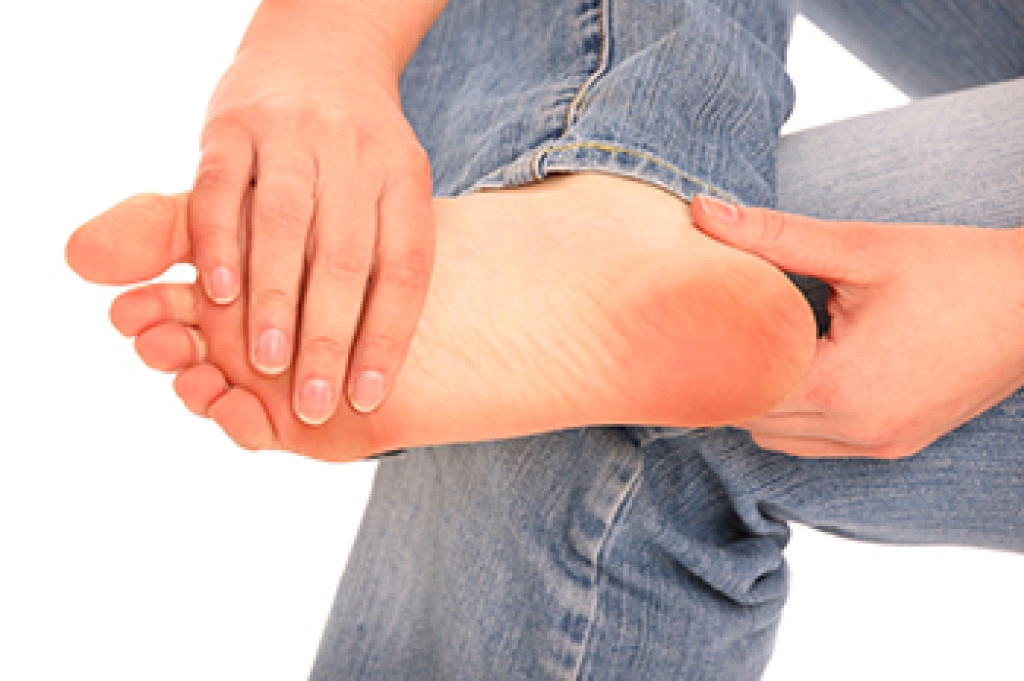
Pain in the Ball of the Foot

Feeling pain in the ball of the foot can be a common issue. Sometimes this is caused by wearing shoes that are too narrow or tight and the metatarsals, or long bones in the feet, squish together and compress a nerve between the second and third toes. This affliction can also be due to small joints, bursa, stress fractures in metatarsal bones, sesamoids under the big toe, or issues with the big toe joint. Factors contributing to this pain include weight gain, increased physical activity, certain types of shoes, like high heels, sports that involve jumping or sprinting, and uneven muscle strength or unique foot shapes like high arches. To address such pain, it is essential to identify the underlying causes and reduce excessive pressure on the affected area. This can involve getting new shoes, using orthotics, and doing exercises to strengthen muscles. Early intervention is key to preventing more complications down the road, so it is suggested that if you are feeling pain in the ball of the foot, you make an appointment with a podiatrist for a proper diagnosis and treatment plan.

Foot Pain

Foot pain can be extremely painful and debilitating. If you have a foot pain, consult with Kelly Whaley, DPM from Ohio. Our doctor will assess your condition and provide you with quality foot and ankle treatment.

Causes

Foot pain is a very broad condition that could be caused by one or more ailments. The most common include:

  • Bunions
  • Hammertoes
  • Plantar Fasciitis
  • Bone Spurs
  • Corns
  • Tarsal Tunnel Syndrome
  • Ingrown Toenails
  • Arthritis (such as Gout, Rheumatoid, and Osteoarthritis)
  • Flat Feet
  • Injury (from stress fractures, broken toe, foot, ankle, Achilles tendon ruptures, and sprains)
  • And more

Diagnosis

To figure out the cause of foot pain, podiatrists utilize several different methods. This can range from simple visual inspections and sensation tests to X-rays and MRI scans. Prior medical history, family medical history, and any recent physical traumatic events will all be taken into consideration for a proper diagnosis.

Treatment

Treatment depends upon the cause of the foot pain. Whether it is resting, staying off the foot, or having surgery; podiatrists have a number of treatment options available for foot pain.

If you have any questions, please feel free to contact our office located in Willoughby, OH . We offer the newest diagnostic and treatment technologies for all your foot care needs.
Read more about Foot Pain

Dealing With an Ankle Sprain

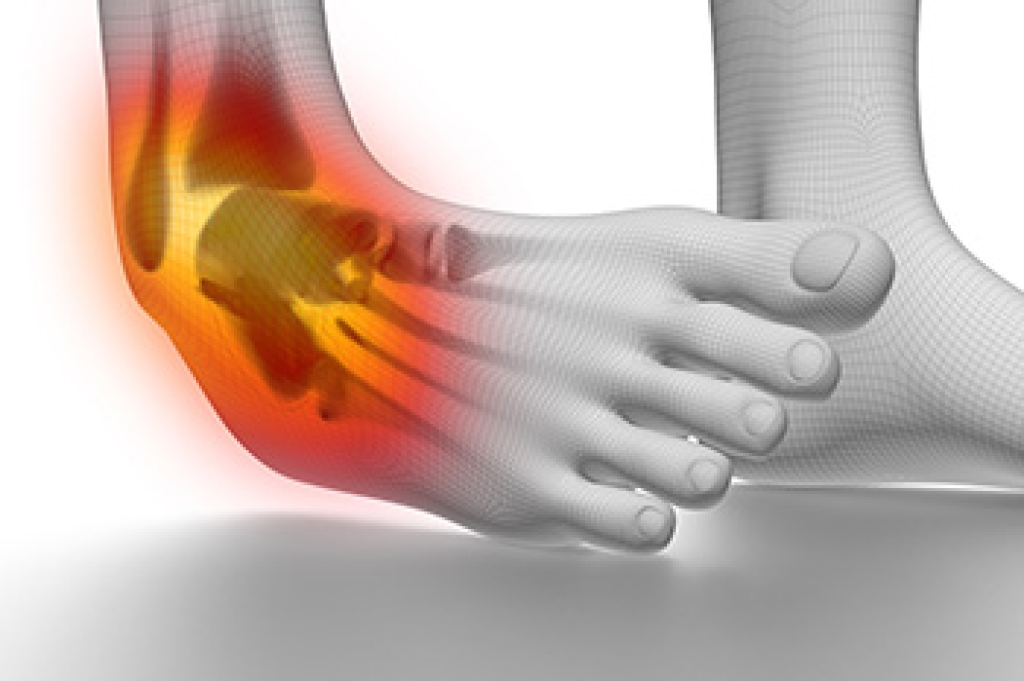
Ankle sprains are a common injury, often the result of sudden twists, rolls, or impacts that stretch or tear the ligaments connecting the bones of the ankle joint. These ligaments are vital for stability and movement, making ankle sprains a significant concern. Ankle sprains typically occur during activities that involve sudden changes in direction, uneven surfaces, or accidental missteps. Sports like basketball, soccer, and trail running, as well as everyday occurrences like tripping or stumbling, can lead to these injuries. The most common type of ankle sprain is when the foot rolls inward, causing damage to the ligaments on the outer side of the ankle. Common signs of a sprain include pain, swelling, and bruising around the affected area. Walking or bearing weight on the injured ankle can be painful, and there might be a sensation of instability or weakness. In severe cases, there could be a popping sound at the time of injury, indicating a possible ligament tear. Prompt treatment is required to prevent further complications and ensure recovery. If you suspect an ankle sprain, it is suggested that you make an appointment with a podiatrist as soon as possible to determine the extent of the injury and receive the appropriate care. 

Although ankle sprains are common, they aren’t always minor injuries. If you need your ankle injury looked at, contact Kelly Whaley, DPM from Ohio. Our doctor can provide the care you need to keep you pain-free and on your feet.

How Does an Ankle Sprain Occur?

Ankle sprains are the result of a tear in the ligaments within the ankle. These injuries may happen when you make a rapid shifting movement while your foot is planted. A less common way to sprain your ankle is when your ankle rolls inward while your foot turns outward.

What Are the Symptoms?

  • Pain at the sight of the tear
  • Bruising/Swelling
  • Ankle area is tender to touch
  • In severe cases, may hear/feel something tear
  • Skin discoloration

Preventing a Sprain

  • Wearing appropriate shoes for the occasion
  • Stretching before exercises and sports
  • Knowing your limits

Treatment of a Sprain

In many cases, the RICE method (Rest, Ice, Compression, and Elevate) is used to treat ankle sprains. However, you should see a podiatrist to see which treatment option would work best with your injury. In severe cases, surgery may be required.

It is important to ask your doctor about rehab options after you receive treatment for your injury. Stretching, strength training, and balance exercises may help the ankle heal while also preventing further injury.

If you have any questions, please feel free to contact our office located in Willoughby, OH . We offer the newest diagnostic and treatment technologies for all your foot care needs.
Read more about Ankle Sprains

Common Myths About Heel Spurs

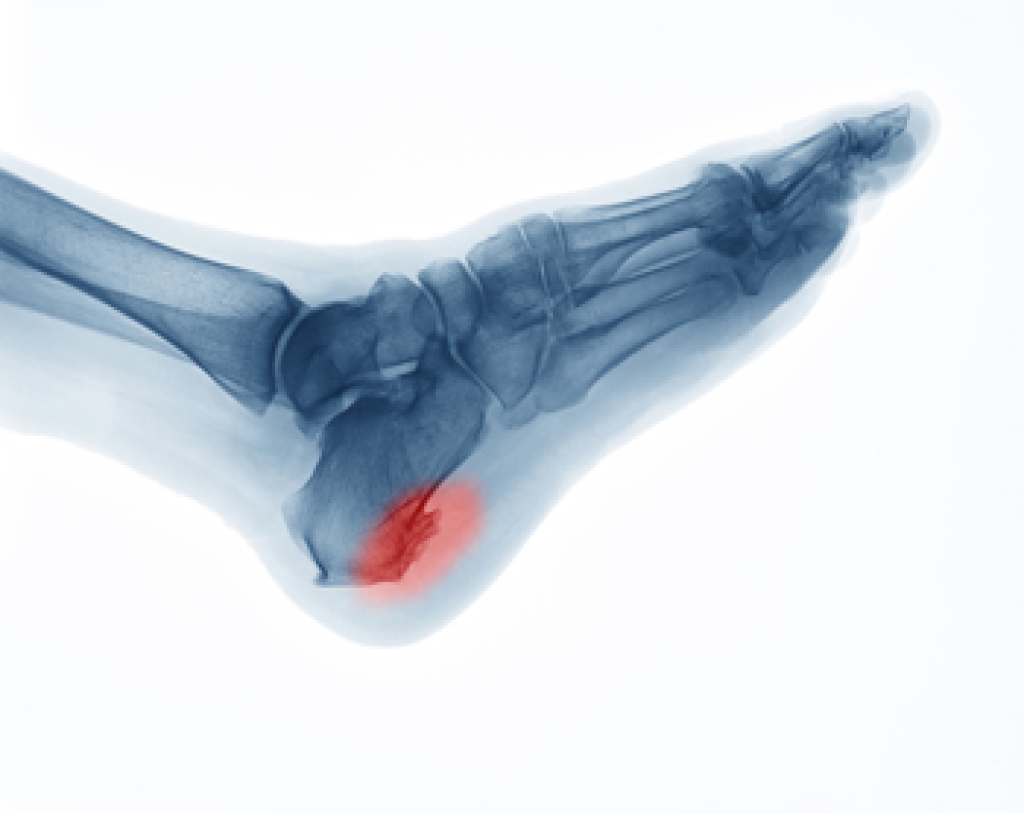
Heel spurs are commonly misunderstood and usually do not cause heel pain. In fact, most heel pain is attributed to plantar fasciitis, a condition where the ligament on the bottom of the foot, termed the plantar fascia, becomes chronically inflamed. It then can get calcified where it attaches to the heel bone. It may even appear as a heel spur on an X-ray. The pain stems from the strain on the plantar fascia, due to overuse or repetitive exertion, and often is made worse by wearing inadequately supportive footwear. Symptoms include discomfort on the bottom of the heel, which occasionally extends into the arch. Surgical removal of heel spurs is largely considered unnecessary, as relief from the pain can often occur without addressing the spur itself. Wearing shoe inserts and incorporating simple stretches can lead to significant relief from this type of heel pain. Proper arch support and cushioning are often effective ways to relieve heel pain. So, while heel spurs may appear concerning, they may not be the main cause of discomfort. Instead, it is suggested that you make an appointment with a podiatrist who can conduct imaging tests and identify the cause and suggest the appropriate treatment measures. 

Heel spurs can be incredibly painful and sometimes may make you unable to participate in physical activities. To get medical care for your heel spurs, contact Kelly Whaley, DPM from Ohio. Our doctor will do everything possible to treat your condition.

Heels Spurs

Heel spurs are formed by calcium deposits on the back of the foot where the heel is. This can also be caused by small fragments of bone breaking off one section of the foot, attaching onto the back of the foot. Heel spurs can also be bone growth on the back of the foot and may grow in the direction of the arch of the foot.

Older individuals usually suffer from heel spurs and pain sometimes intensifies with age. One of the main condition's spurs are related to is plantar fasciitis.

Pain

The pain associated with spurs is often because of weight placed on the feet. When someone is walking, their entire weight is concentrated on the feet. Bone spurs then have the tendency to affect other bones and tissues around the foot. As the pain continues, the feet will become tender and sensitive over time.

Treatments

There are many ways to treat heel spurs. If one is suffering from heel spurs in conjunction with pain, there are several methods for healing. Medication, surgery, and herbal care are some options.

If you have any questions, please feel free to contact our office located in Willoughby, OH . We offer the newest diagnostic and treatment technologies for all your foot care needs.

Read more about Heel Spurs

Why the Feet Swell During Pregnancy

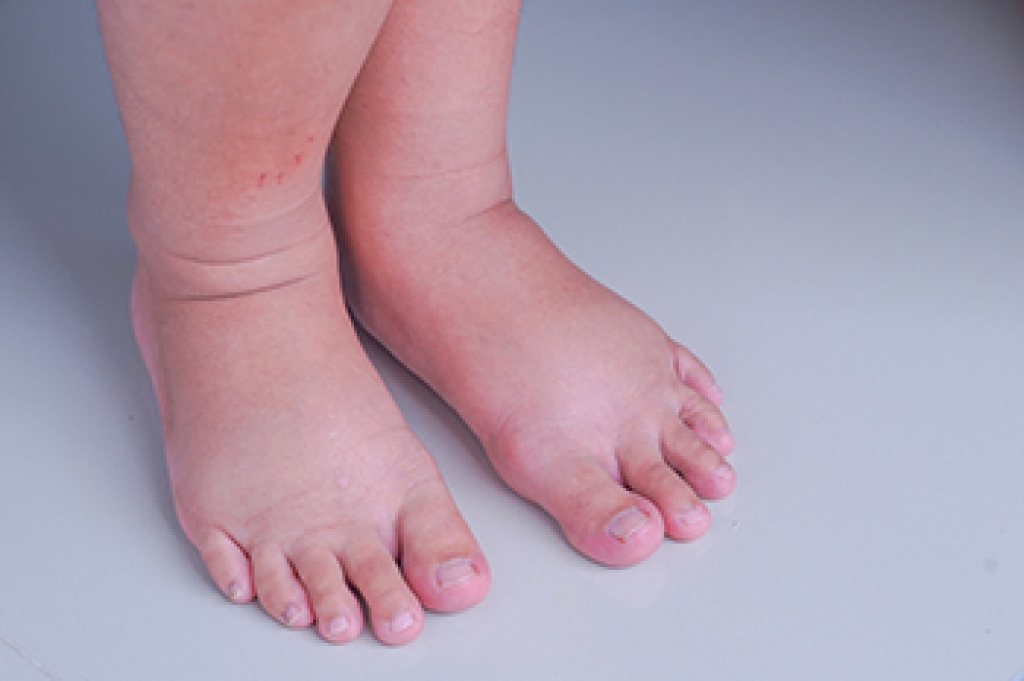
During pregnancy, many women experience a condition known as edema. This swelling occurs in various parts of the body, including the feet, especially during the second and third trimesters. An increase of fluids in the lower part of the body may be the cause of swelling during pregnancy. The fluid gathers more at the end of the day, especially after standing for long periods. As the pregnancy continues, the uterus puts more pressure on the legs, ankles, and feet. The increased pressure can slow circulation, making it more difficult to return blood to the heart. Lying or sleeping on the back only increases the problem, especially in the third trimester. Some ways to combat the swelling include gentle exercise, reducing salt intake, wearing compression socks, and drinking more water. Walking and swimming are mild exercises that can be performed. While edema is considered normal during pregnancy, if discomfort from swelling in the feet increases, it is suggested that you seek attention from a podiatrist for guidance.

Pregnant women with swollen feet can be treated with a variety of different methods that are readily available. For more information about other cures for swollen feet during pregnancy, consult with Kelly Whaley, DPM from Ohio. Our doctor will attend to all of your foot and ankle needs.

What Foot Problems Can Arise During Pregnancy?

One problem that can occur is overpronation, which occurs when the arch of the foot flattens and tends to roll inward.  This can cause pain and discomfort in your heels while you’re walking or even just standing up, trying to support your baby.  

Another problem is edema, or swelling in the extremities. This often affects the feet during pregnancy but tends to occur in the later stages. 

How Can I Keep My Feet Healthy During Pregnancy?

  • Wearing orthotics can provide extra support for the feet and help distribute weight evenly
  • Minimize the amount of time spent walking barefoot
  • Wear shoes with good arch support
  • Wear shoes that allow for good circulation to the feet
  • Elevate feet if you experience swelling
  • Massage your feet
  • Get regular, light exercise, such as walking, to promote blood circulation to the feet

If you have any questions, please feel free to contact our office located in Willoughby, OH . We offer the newest diagnostic and treatment technologies for all your foot care needs.

Read more about Foot Care for Pregnant Women

Advanced Podiatric Procedures & Services in the Lake County and Cuyahoga County, OH areas