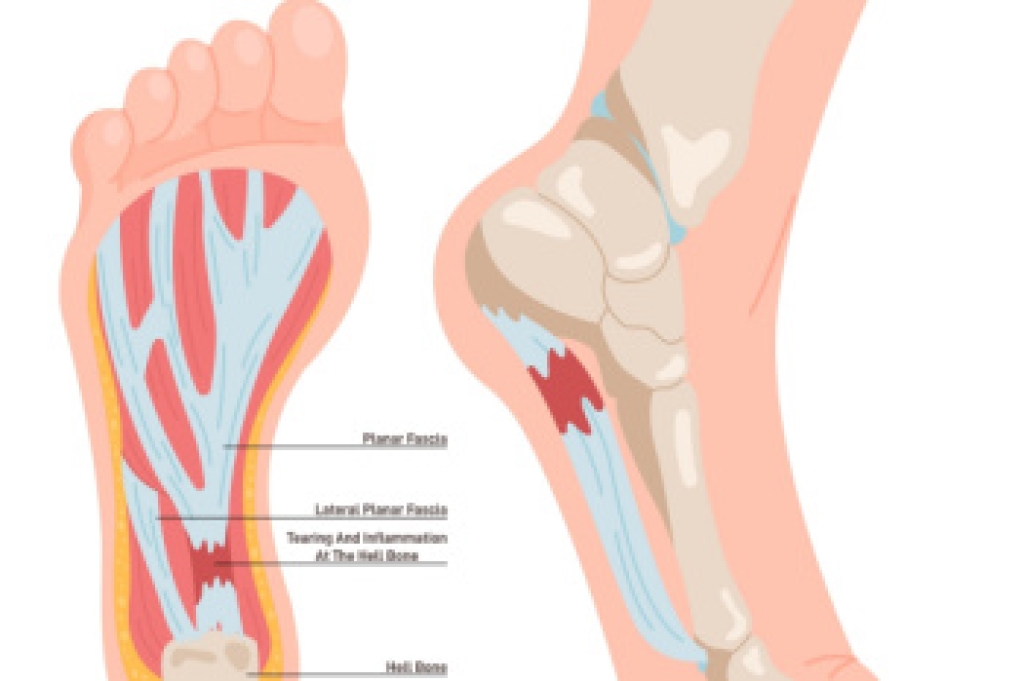
Plantar Fasciitis Is a Degenerative Foot Condition

Plantar fasciitis is a foot condition characterized by inflammation and degeneration of the plantar fascia, a thick band of tissue that runs along the bottom of the foot, connecting the heel to the toes. This condition often develops gradually over time, resulting from repetitive strain and stress on the plantar fascia. Activities that involve prolonged standing, walking, or running, especially on hard surfaces, can worsen the problem. Additionally, factors such as obesity, tight calf muscles, high arches, flat feet, and non-supportive footwear can increase the risk of developing plantar fasciitis. Symptoms include heel pain, particularly in the morning or after periods of inactivity, which can worsen with activity. While plantar fasciitis can be challenging to manage, various treatment options, including rest, stretching exercises, orthotic devices, and in severe cases, corticosteroid injections or surgery, can help alleviate pain and promote healing. If you have persistent heel pain, it is strongly suggested that you consult a podiatrist who can accurately diagnose and treat the cause.

Plantar fasciitis is a common foot condition that is often caused by a strain injury. If you are experiencing heel pain or symptoms of plantar fasciitis, contact Kelly Whaley, DPM from Ohio. Our doctor can provide the care you need to keep you pain-free and on your feet.

What Is Plantar Fasciitis?

Plantar fasciitis is one of the most common causes of heel pain. The plantar fascia is a ligament that connects your heel to the front of your foot. When this ligament becomes inflamed, plantar fasciitis is the result. If you have plantar fasciitis you will have a stabbing pain that usually occurs with your first steps in the morning. As the day progresses and you walk around more, this pain will start to disappear, but it will return after long periods of standing or sitting.

What Causes Plantar Fasciitis?

  • Excessive running
  • Having high arches in your feet
  • Other foot issues such as flat feet
  • Pregnancy (due to the sudden weight gain)
  • Being on your feet very often

There are some risk factors that may make you more likely to develop plantar fasciitis compared to others. The condition most commonly affects adults between the ages of 40 and 60. It also tends to affect people who are obese because the extra pounds result in extra stress being placed on the plantar fascia.

Prevention

  • Take good care of your feet – Wear shoes that have good arch support and heel cushioning.
  • Maintain a healthy weight
  • If you are a runner, alternate running with other sports that won’t cause heel pain

There are a variety of treatment options available for plantar fasciitis along with the pain that accompanies it. Additionally, physical therapy is a very important component in the treatment process. It is important that you meet with your podiatrist to determine which treatment option is best for you.

If you have any questions, please feel free to contact our office located in Willoughby, OH . We offer the newest diagnostic and treatment technologies for all your foot care needs.
 

Read more about Plantar Fasciitis

A Guide to Diagnosing Gout

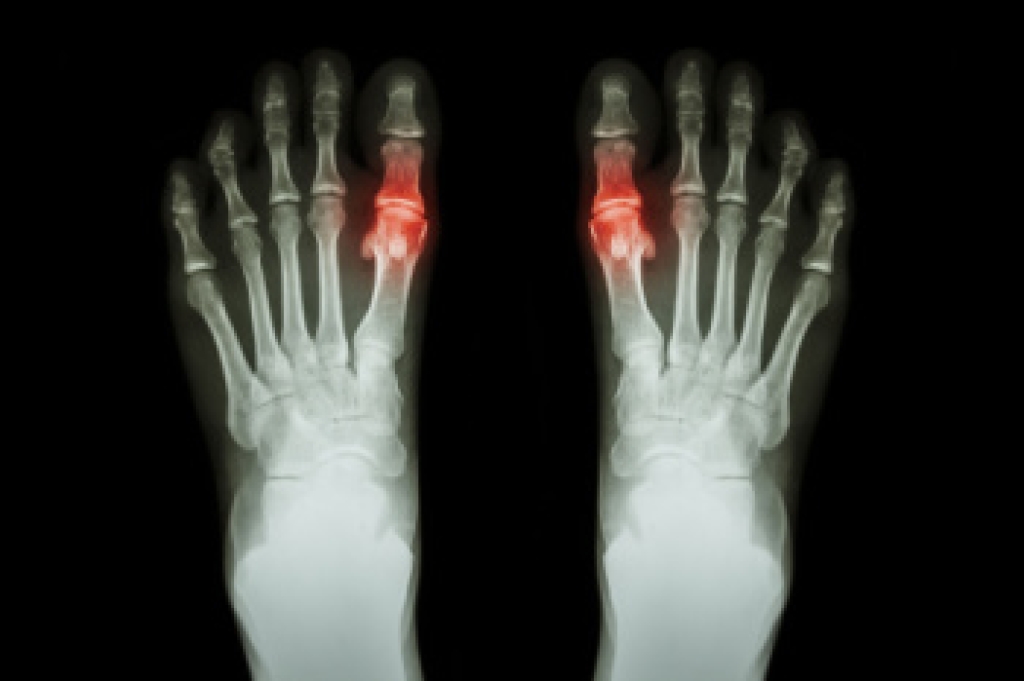
Gout, a form of inflammatory arthritis, can be excruciating, often affecting the big toe and ankles. Recognizing its symptoms is vital for timely management. The diagnosis begins with a keen observation of the symptoms, which are often sudden, intense joint pain, swelling, redness, and warmth, typically striking at night or in the early hours. The affected joint might feel tender to the touch, making even the lightest pressure unbearable. An accurate diagnosis often involves a comprehensive medical history review and a physical examination by a podiatrist. They may also conduct tests like joint fluid analysis to detect urate crystals, which are consistent with gout. Blood tests measuring uric acid levels can aid in confirmation, although high levels do not always guarantee a diagnosis. Imaging tests, such as X-rays, may reveal joint damage in chronic cases. If you have pain in the top of your foot, with a focus on the big toe, it is strongly suggested that you contact a podiatrist who can effectively treat gout.

Gout is a foot condition that requires certain treatment and care. If you are seeking treatment, contact Kelly Whaley, DPM from Ohio. Our doctor will treat your foot and ankle needs.

What Is Gout?

Gout is a type of arthritis caused by a buildup of uric acid in the bloodstream. It often develops in the foot, especially the big toe area, although it can manifest in other parts of the body as well. Gout can make walking and standing very painful and is especially common in diabetics and the obese.

People typically get gout because of a poor diet. Genetic predisposition is also a factor. The children of parents who have had gout frequently have a chance of developing it themselves.

Gout can easily be identified by redness and inflammation of the big toe and the surrounding areas of the foot. Other symptoms include extreme fatigue, joint pain, and running high fevers. Sometimes corticosteroid drugs can be prescribed to treat gout, but the best way to combat this disease is to get more exercise and eat a better diet.

If you have any questions, please feel free to contact our office located in Willoughby, OH . We offer the newest diagnostic and treatment technologies for all your foot care needs.

Read more about Everything You Need to Know About Gout

Essential Foot Care Tips for Elderly Individuals

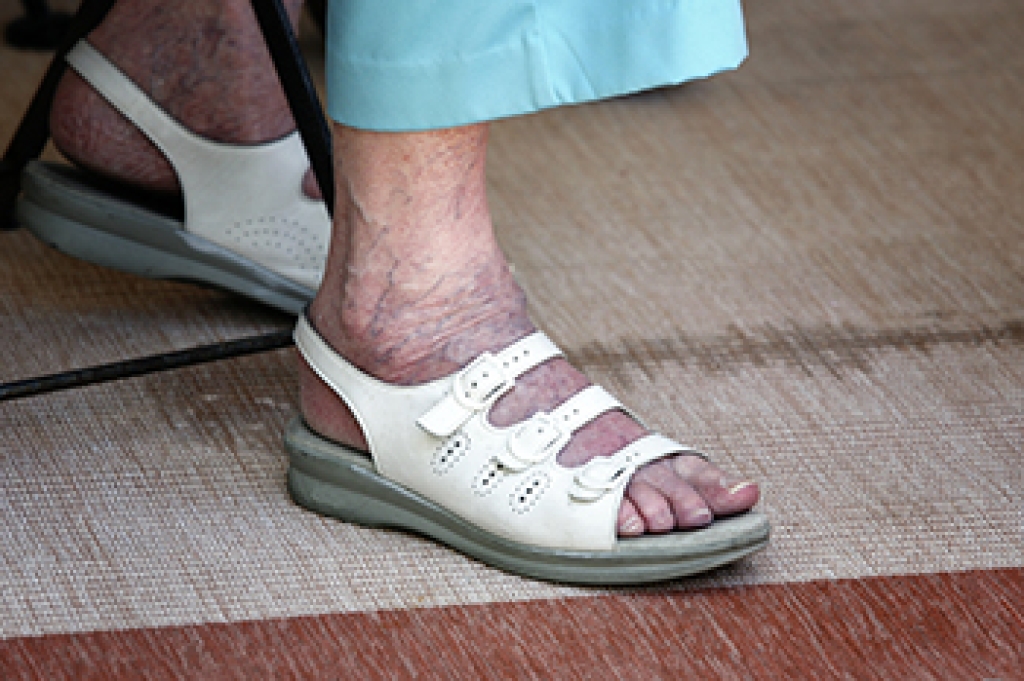
As you age, elderly foot care becomes increasingly important for maintaining mobility and overall well-being. Elderly individuals are particularly susceptible to foot problems due to factors such as decreased circulation, thinning skin, and loss of natural cushioning. To promote foot health, it is essential for seniors to prioritize regular foot inspections, checking for any signs of redness, swelling, cuts, or sores. Keeping feet clean and moisturized can help prevent dryness and cracking, which can lead to infections. Wearing properly fitting shoes with adequate support and cushioning is vital for preventing foot pain and deformities. Additionally, it is beneficial for seniors to engage in gentle foot exercises, such as toe curls and ankle rotations, to improve circulation and flexibility. If foot pain or other conditions have developed, it is strongly suggested that you contact podiatrist who can offer relief methods and provide additional tips on elderly foot care.

Proper foot care is something many older adults forget to consider. If you have any concerns about your feet and ankles, contact Kelly Whaley, DPM from Ohio. Our doctor can provide the care you need to keep you pain-free and on your feet.

The Elderly and Their Feet

As we age we start to notice many changes in our body, but the elder population may not notice them right away. Medical conditions may prevent the elderly to take notice of their foot health right away. Poor vision is a lead contributor to not taking action for the elderly.

Common Conditions 

  • Neuropathy – can reduce feeling in the feet and can hide many life-threatening medical conditions.
  • Reduced flexibility – prevents the ability of proper toenail trimming, and foot cleaning. If left untreated, it may lead to further medical issues.
  • Foot sores – amongst the older population can be serious before they are discovered. Some of the problematic conditions they may face are:
  • Gouging toenails affecting nearby toe
  • Shoes that don’t fit properly
  • Pressure sores
  • Loss of circulation in legs & feet
  • Edema & swelling of feet and ankles

Susceptible Infections

Diabetes and poor circulation can cause general loss of sensitivity over the years, turning a simple cut into a serious issue.

If you have any questions, please feel free to contact our office located in Willoughby, OH . We offer the newest diagnostic and treatment technologies for all your foot care needs.

Read more about Elderly Foot Care

Treating Blisters on the Feet

Blisters on the feet commonly develop due to friction and pressure. This can occur when wearing new or ill-fitting shoes, or from intense activities like running or hiking. Blisters are small pockets of fluid that form under the skin to cushion and protect deeper tissues from damage. While blisters often heal on their own, improper care can lead to infection and further complications. A podiatrist can help manage blisters on the feet, both by treating existing blisters and helping with prevention techniques. They can safely drain large or painful blisters in a sterile environment, apply appropriate dressings, and prescribe topical treatments to prevent infection. Additionally, podiatrists can provide valuable advice on selecting the right footwear and using special padding or insoles to reduce friction points. Podiatrists may also recommend specific socks or taping techniques to protect sensitive areas of the feet, which can prevent future blisters and ensure healthy foot care practices. If you have painful or recurrent blisters on the feet, it is suggested that you make an appointment with a podiatrist. 

Blisters may appear as a single bubble or in a cluster. They can cause a lot of pain and may be filled with pus, blood, or watery serum. If your feet are hurting, contact Kelly Whaley, DPM of Ohio. Our doctor can provide the care you need to keep you pain-free and on your feet.

Foot Blisters

Foot blisters are often the result of friction. This happens due to the constant rubbing from shoes, which can lead to pain.

What Are Foot Blisters?

A foot blister is a small fluid-filled pocket that forms on the upper-most layer of the skin. Blisters are filled with clear fluid and can lead to blood drainage or pus if the area becomes infected.

Symptoms

(Blister symptoms may vary depending on what is causing them)

  • Bubble of skin filled with fluid
  • Redness
  • Moderate to severe pain
  • Itching

Prevention & Treatment

In order to prevent blisters, you should be sure to wear comfortable shoes with socks that cushion your feet and absorb sweat. Breaking a blister open may increase your chances of developing an infection. However, if your blister breaks, you should wash the area with soap and water immediately and then apply a bandage to the affected area. If your blisters cause severe pain it is important that you call your podiatrist right away.

If you have any questions, please feel free to contact our office located in Willoughby, OH . We offer the newest diagnostic and treatment technologies for all your foot care needs.

Read more about Blisters

Do Your Child's Feet Hurt?

Have your child's feet been examined lately? Healthy feet are happy feet. If your child is complaining of foot pain, it may be a sign of underlying problems.

Advanced Podiatric Procedures & Services in the Lake County and Cuyahoga County, OH areas