
Plantar Fasciitis and Soccer

Plantar fasciitis is an extremely common affliction of the foot. It affects the plantar fascia, which is the band of tissue that is found along the sole of the foot. Plantar fasciitis may develop when the plantar fascia becomes irritated and inflamed. This painful foot condition can be caused by many sports and strenuous physical activities, such as soccer. Since soccer requires an athlete to engage in frequent sideways and diagonal cuts while running, extra pressure is exerted on the feet. In particular, the medial heel and arch are subject to a significant amount of force in American soccer players. The risk of plantar fasciitis may be even more pronounced in substitute soccer players who, after initially warming up their bodies, wait on the sidelines for long periods of time. This may cause their muscles to tighten up before playing again and can make an individual more susceptible to plantar fasciitis. If you are a soccer player, it is suggested that you contact a podiatrist who will be able to provide you with the treatment for plantar fasciitis.

Plantar fasciitis can be very painful and inconvenient. If you are experiencing heel pain or symptoms of plantar fasciitis, contact Kelly Whaley, DPM  from Ohio. Our doctor can provide the care you need to keep you pain-free and on your feet.

What Is Plantar Fasciitis?

Plantar fasciitis is the inflammation of the thick band of tissue that runs along the bottom of your foot, known as the plantar fascia, and causes mild to severe heel pain.

What Causes Plantar Fasciitis?

  • Excessive running
  • Non-supportive shoes
  • Overpronation
  • Repeated stretching and tearing of the plantar fascia

How Can It Be Treated?

  • Conservative measures – anti-inflammatories, ice packs, stretching exercises, physical therapy, orthotic devices
  • Shockwave therapy – sound waves are sent to the affected area to facilitate healing and are usually used for chronic cases of plantar fasciitis
  • Surgery – usually only used as a last resort when all else fails. The plantar fascia can be surgically detached from the heel

While very treatable, plantar fasciitis is definitely not something that should be ignored. Especially in severe cases, speaking to your doctor right away is highly recommended to avoid complications and severe heel pain. Your podiatrist can work with you to provide the appropriate treatment options tailored to your condition.

If you have any questions, please feel free to contact our office located in Willoughby, OH . We offer the newest diagnostic and treatment technologies for all your foot care needs.


Read more about Plantar Fasciitis

Severe Cracked Heels

Some foot conditions are mostly mild. This is to say that certain afflictions of the foot are not always accompanied by severe symptoms. Cracked heels are one such affliction of the foot. Many cases of cracked heels are mild, where fissures form on the back of the heel in an unsightly, yet mild, manner. However, there are some other cases of cracked heels that may be more severe for some patients. For example, some cases of cracked heels can result in painful sensations at the back of the heel. More severe cases of cracked heels might result in bleeding in this area. Persistent itching could also be another more severe symptom associated with cracked heels. If you are someone who is currently suffering from cracked heels, it is suggested that you contact a podiatrist today for more information and treatment. 

Cracked heels are unsightly and can cause further damage to your shoes and feet. If you have any concerns, contact Kelly Whaley, DPM from Ohio. Our doctor can provide the care you need to keep you pain-free and on your feet.

Cracked Heels

Cracked heels appear unappealing and can make it harder for you walk around in sandals. Aside from looking unpleasant, cracked heels can also tear stockings, socks, and wear out your shoes. There are several methods to help restore a cracked heel and prevent further damage.

How Do You Get Them?

Dry skin is the number one culprit in creating cracked heels. Many athletes, walkers, joggers, and even swimmers suffer from cracked heels. Age and skin oil production play a role to getting cracked heels as well.

Promote Healing

Over the counter medicines can help, especially for those that need instant relief or who suffer from chronic dry feet.

Wear Socks – Wearing socks with medicated creams helps lock in moisture.

Moisturizers – Applying both day and night will help alleviate dryness which causes cracking.

Pumice Stones – These exfoliate and remove dead skin, which allows for smoother moisturizer application and better absorption into the skin. 

Change in Diet

Eating healthy with a well-balanced diet will give the skin a fresh and radiant look. Your body responds to the kinds of food you ingest. Omega-3 fatty acids and zinc supplements can also revitalize skin tissue.

Most importantly, seek professional help if unsure how to proceed in treating cracked heels. A podiatrist will help you with any questions or information needed. 

If you have any questions, please feel free to contact our office located in Willoughby, OH . We offer the newest diagnostic and treatment technologies for all your foot care needs.

Read more about Solutions for Cracked Heels

Obesity and Foot Problems in Children

When a young child is obese, this can ultimately wreak havoc on the health of their feet and broader well-being for many reasons. First, when a child is still growing, their bones are moldable. This means that excess weight can precipitate significant changes in the structure of the feet. Second, young children who are overweight for their age might have foot conditions that, in turn, make it more difficult for them to be active. This can then contribute to a cycle that reinforces their obesity. If you are a parent caring for a young child who is overweight or obese, it is highly suggested that you schedule an appointment with a podiatrist today. A podiatrist can assist you in caring for the health of your child’s feet by answering any questions you might have or providing any treatment your child may need. 

Obesity has become very problematic at this point in time and can have extremely negative effects on the feet. If you’re an obese individual and are concerned about your feet, contact Kelly Whaley, DPM from Ohio. Our doctor can provide the care you need to keep you pain-free and on your feet.

Obesity and Your Feet

Since your feet are what support your entire weight when standing, any additional weight can result in pain and swelling. Being overweight is one of the main contributors to foot complications.

Problems & Complications

Extra Weight – Even putting on just a few extra pounds could create serious complications for your feet. As your weight increases, your balance and body will shift, creating new stresses on your feet. This uneven weight distribution can cause pain, even while doing the simplest tasks, such as walking.

Diabetes – People who are overweight are at serious risk of developing type-2 diabetes, which has a drastic impact on the health of your feet. As you get older, your diabetes might worsen, which could lead to loss of feeling in your feet, sores, and bruises. You could also become more prone to various infections.

Plantar fasciitis – Pressure and stress that is placed on muscles, joints, and tendons can trigger plantar fasciitis, which is an inflammation of tissue that forms along the bottom of the foot. 

If you have any questions, please feel free to contact our office located in Willoughby, OH . We offer the newest diagnostic and treatment technologies for all your foot care needs.
Read more about How Obesity Affects Your Feet

Be Free of Toenail Fungus for Spring

Don't hide your feet when the weather gets warm. Get treated for fungal nails, and wear sandals and open-toed shoes with confidence. Step into spring with confidence!

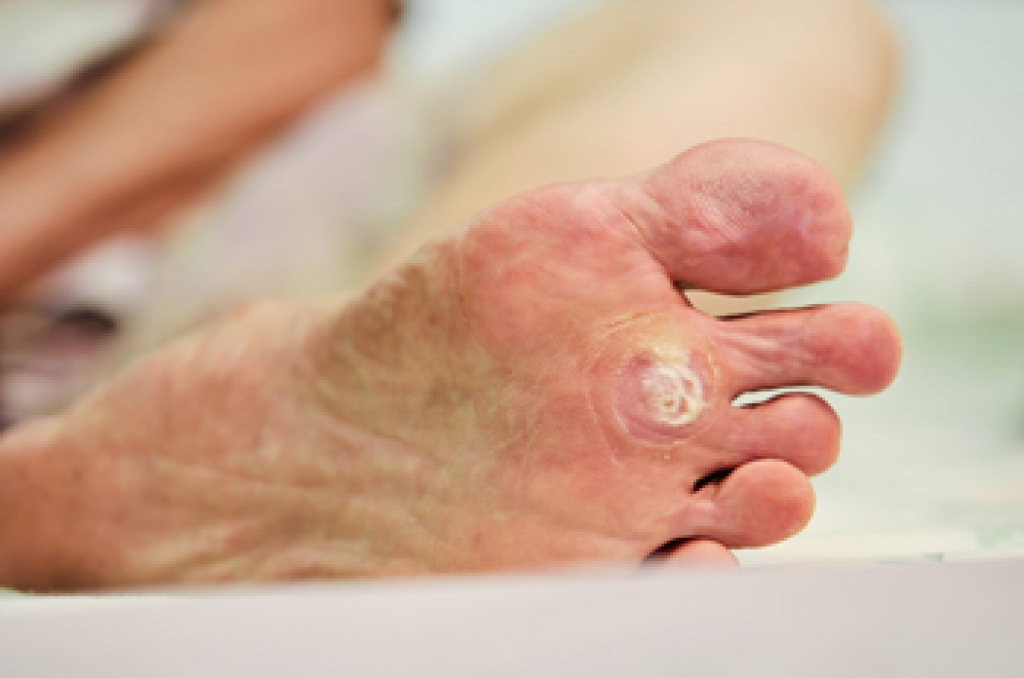
Causes of Plantar Warts

There are various types of warts. A plantar wart can be found on the bottom of the foot, and it grows inward due to the weight the feet endure. It is caused by the human papillomavirus (HPV) and can produce severe pain and discomfort. It is considered to be contagious and is found in warm and moist environments. These can include shower room floors, public swimming pools, and surrounding areas. The virus enters the body through small cracks in the sole, so it is advised to wear appropriate shoes while visiting these areas. This type of wart can be medically treated by applying salicylic acid, but it can be painful. If your plantar wart is interfering with daily activities, it is suggested that you consult a podiatrist who can provide you with the proper treatment and relief.

Plantar warts can be very uncomfortable. If you need your feet checked, contact Kelly Whaley, DPM from Ohio. Our doctor will assist you with all of your foot and ankle needs.

About Plantar Warts

Plantar warts are the result of HPV, or human papillomavirus, getting into open wounds on the feet. They are mostly found on the heels or balls of the feet.

While plantar warts are generally harmless, those experiencing excessive pain or those suffering from diabetes or a compromised immune system require immediate medical care. Plantar warts are easily diagnosed, usually through scraping off a bit of rough skin or by getting a biopsy.

Symptoms

  • Lesions on the bottom of your feet, usually rough and grainy
  • Hard or thick callused spots
  • Wart seeds, which are small clotted blood vessels that look like little black spots
  • Pain, discomfort, or tenderness of your feet when walking or standing

Treatment

  • Freezing
  • Electric tool removal
  • Laser Treatment
  • Topical Creams (prescription only)
  • Over-the-counter medications

To help prevent developing plantar warts, avoid walking barefoot over abrasive surfaces that can cause cuts or wounds for HPV to get into. Avoiding direct contact with other warts, as well as not picking or rubbing existing warts, can help prevent the further spread of plantar warts. However, if you think you have developed plantar warts, speak to your podiatrist. He or she can diagnose the warts on your feet and recommend the appropriate treatment options.

If you have any questions, please feel free to contact our office located in Willoughby, OH . We offer the newest diagnostic and treatment technologies for all your foot care needs.

Read more about All About Plantar Warts

Advanced Podiatric Procedures & Services in the Lake County and Cuyahoga County, OH areas