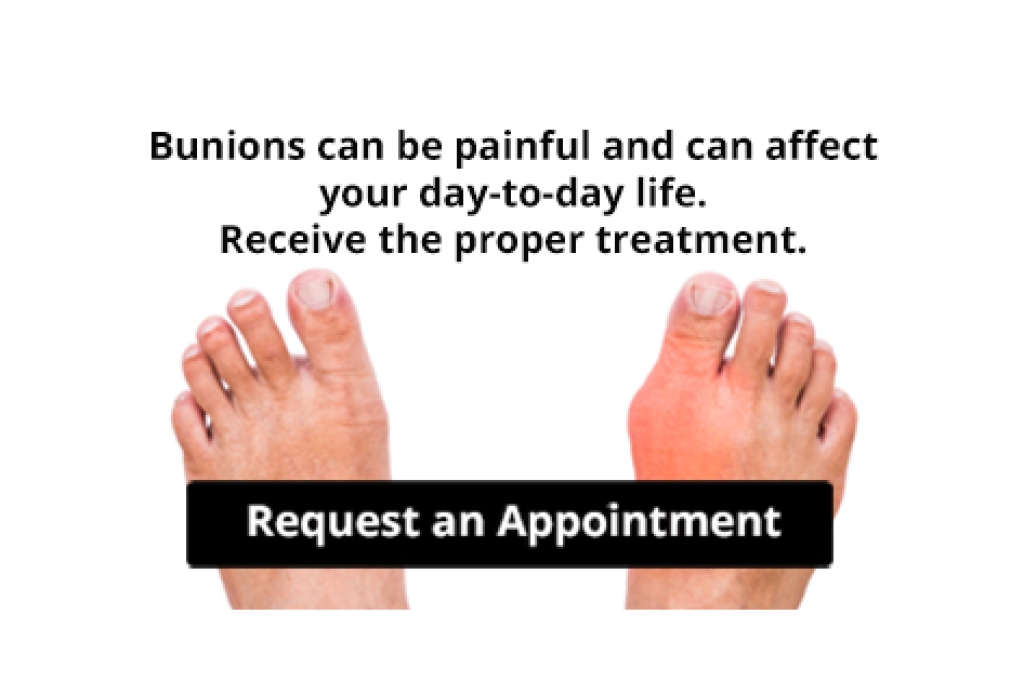
Have you noticed a bony protrusion on the side of your big toe? If so, you may have developed the foot condition known as a bunion. Don't let bunions interfere with your daily activities.
Have you noticed a bony protrusion on the side of your big toe? If so, you may have developed the foot condition known as a bunion. Don't let bunions interfere with your daily activities.

Falls can cause serious injuries and reduce a senior’s ability to remain active and independent. Age-related changes in balance, vision, and muscle strength can raise the risk. Foot pain, numbness, and joint stiffness can also make each step less stable. Other concerns include poor circulation, weak ankles, and changes in foot shape. Shoes that lack proper support or do not fit correctly can create further problems. Because many falls are never reported, seniors should discuss balance concerns and recent stumbles with a podiatrist. A fall-risk evaluation can identify problems before a major injury occurs.
A podiatrist can examine the feet and ankles to find issues that affect balance. The examination includes checking skin health, joint movement, and muscle strength. The podiatrist can also assess how the patient stands and walks. This can reveal an uneven gait, which means the feet and legs do not move in a steady pattern. Treatment options include custom orthotics to improve foot position and stability. A podiatrist can recommend shoes with proper support, secure fasteners, and slip-resistant soles. They can also treat painful corns, thick toenails, or other foot problems that make walking difficult.
Falls prevention also requires attention to the places where seniors move each day. Clear pathways, strong stair railings, and good lighting can reduce hazards. Grab bars near the toilet and shower provide added support. Regular eye and hearing examinations can help seniors notice obstacles and respond to their surroundings. Seniors should also report changes in sensation, recurring ankle problems, and difficulty lifting the feet. Routine podiatric visits help track changes in foot health and allow treatment plans to be adjusted. Early care can support safer movement, greater confidence, and continued independence. If you are a senior and have fallen, it is suggested that you schedule an appointment with a podiatrist for effective treatment solutions, and additional guidance on fall prevention tips.
Preventing falls among the elderly is very important. If you are older and have fallen or fear that you are prone to falling, consult with Kelly Whaley, DPM from Ohio. Our doctor will assess your condition and provide you with quality advice and care.
Every 11 seconds, an elderly American is being treated in an emergency room for a fall related injury. Falls are the leading cause of head and hip injuries for those 65 and older. Due to decreases in strength, balance, senses, and lack of awareness, elderly persons are very susceptible to falling. Thankfully, there are a number of things older persons can do to prevent falls.
How to Prevent Falls
Some effective methods that older persons can do to prevent falls include:
Falling can be a traumatic and embarrassing experience for elderly persons; this can make them less willing to leave the house, and less willing to talk to someone about their fears of falling. Doing such things, however, will increase the likelihood of tripping or losing one’s balance. Knowing the causes of falling and how to prevent them is the best way to mitigate the risk of serious injury.
If you have any questions, please feel free to contact our office located in Willoughby, OH . We offer the newest diagnostic and treatment technologies for all your foot care needs.
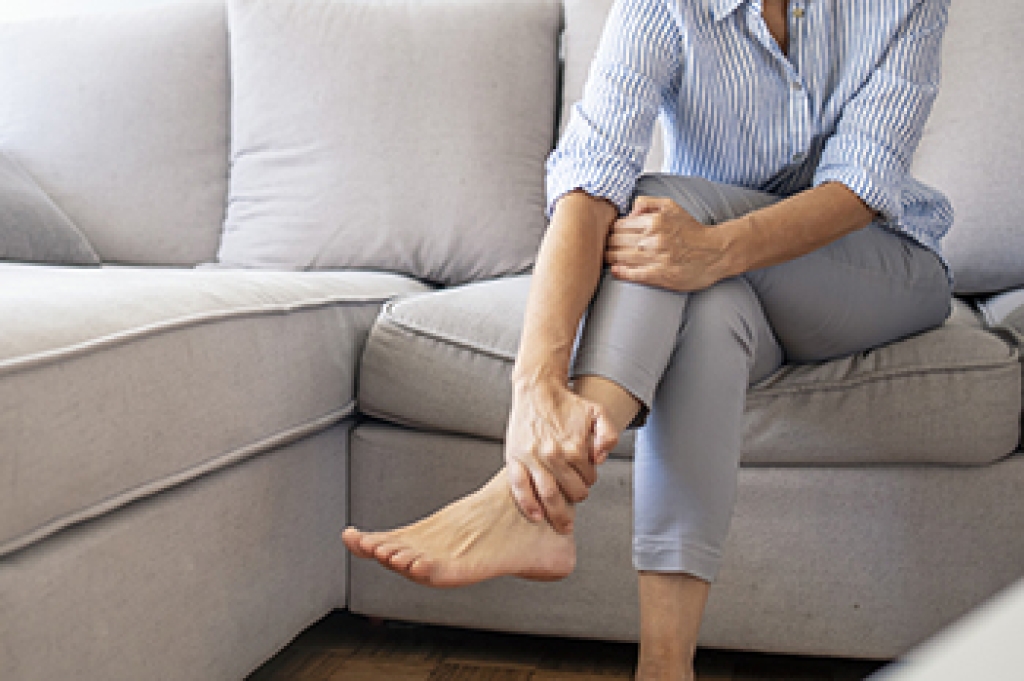
Arthritis in the feet can make standing and walking painful while limiting everyday activity. Two forms that can affect the feet are rheumatoid arthritis and osteoarthritis. Rheumatoid arthritis causes inflammation that can damage joints and supporting tissues. Osteoarthritis involves changes in the protective cartilage within joints. Arthritis can lead to pain, stiffness, and changes in foot structure. These problems can alter the way a patient walks and increase pressure on certain parts of the foot. Foot symptoms can become especially challenging because the feet support the body with every step.
Rheumatoid arthritis can affect the joints and ligaments that help stabilize the feet. Changes can develop in the toes, forefoot, or rearfoot. Some patients develop bunions or hammer toes as the foot changes shape. Osteoarthritis can also affect joints within the foot and contribute to pain when weight is placed on them. Research suggests that foot structure can influence how forces travel through the feet and legs. Shoes can also affect pressure on painful joints. Shoes with enough room, proper support, and a comfortable fit can help reduce stress on sensitive areas.
A podiatrist can evaluate arthritic feet by examining joint movement, foot structure, and walking patterns. The evaluation can identify areas receiving excessive pressure and determine whether changes in foot mechanics are contributing to pain. Podiatric treatment can include custom orthotics, shoe recommendations, and modifications that reduce pressure on painful areas. Orthotics can help support the foot and change how weight is distributed while walking. A podiatrist can also monitor changes in foot shape and function that can occur with arthritis. Treatment is based on the type of arthritis and the problems affecting each patient's feet. If you have symptoms of arthritic foot pain, it is suggested that you schedule an appointment with a podiatrist for diagnosis and treatment.
Arthritis can be a difficult condition to live with. If you are seeking treatment, contact Kelly Whaley, DPM from Ohio. Our doctor can provide the care you need to keep you pain-free and on your feet.
Arthritic Foot Care
Arthritis is a joint disorder that involves the inflammation of different joints in your body, such as those in your feet. Arthritis is often caused by a degenerative joint disease and causes mild to severe pain in all affected areas. In addition to this, swelling and stiffness in the affected joints can also be a common symptom of arthritis.
In many cases, wearing ill-fitting shoes can worsen the effects and pain of arthritis. Wearing shoes that have a lower heel and extra room can help your feet feel more comfortable. In cases of rheumatoid arthritis, the arch in your foot may become problematic. Buying shoes with proper arch support that contour to your feet can help immensely.
Alleviating Arthritic Pain
It is best to see your doctor for the treatment that is right for your needs and symptoms. Conditions vary, and a podiatrist can help you determine the right method of care for your feet.
If you have any questions please feel free to contact our office located in Willoughby, OH . We offer the newest diagnostic tools and technology to treat your foot and ankle needs.
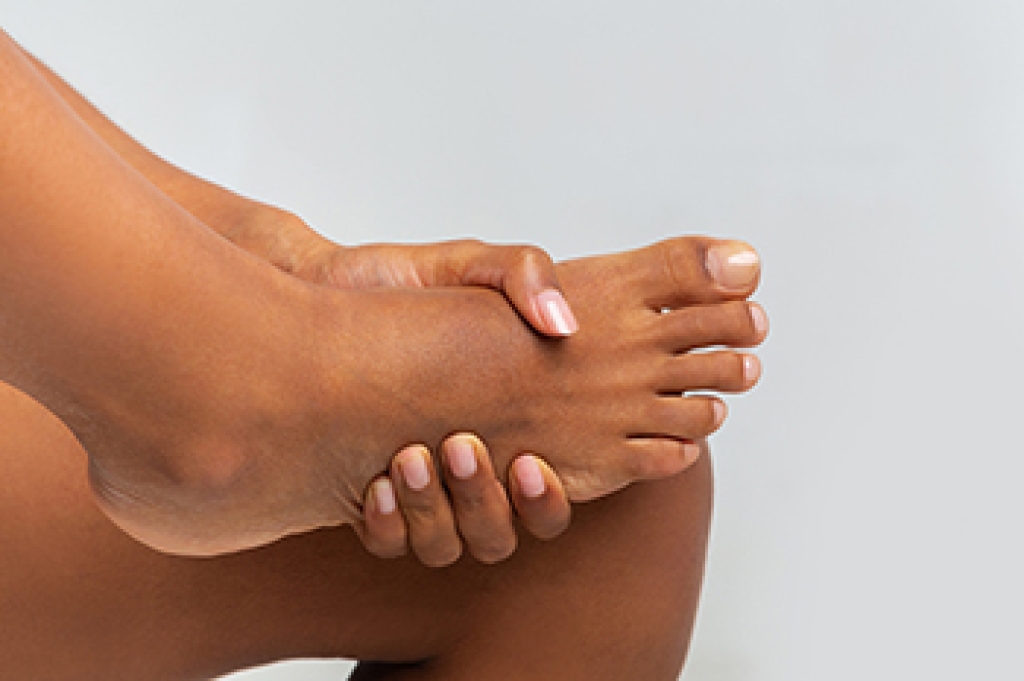
Foot drop makes it difficult to lift the front part of the foot while walking. Instead of being a disease itself, it is a sign of an underlying problem affecting the muscles or nerves that control foot movement. People with foot drop may drag their toes, lift their knee higher than usual, or have trouble clearing the foot with each step. Some individuals also experience numbness, weakness, or tingling in the foot or lower leg. These symptoms can increase the risk of trips and falls, making everyday activities more challenging. Because foot drop can have several causes, a professional evaluation is important to identify the underlying condition and determine the most appropriate treatment.
Foot drop may develop after a nerve injury or as the result of certain muscle or neurological conditions. In some cases, pressure on a nerve can interfere with normal communication between the brain and the muscles that lift the foot. As walking mechanics change, extra stress may be placed on the ankle, knee, and hip. This altered movement can also affect balance and reduce overall mobility. A thorough podiatry evaluation helps assess foot function, muscle strength, and walking patterns. Additional testing may be recommended to identify the source of the problem and guide treatment planning.
A podiatrist plays an important role in evaluating foot drop and helping patients improve foot function and mobility. Professional care focuses on identifying the cause of the condition, improving walking mechanics, and reducing the risk of complications related to abnormal movement. Treatment is tailored to each patient's needs and may involve coordination with other healthcare providers when appropriate. Early podiatry care can help improve stability and support safer movement during daily activities. If you are experiencing foot weakness, difficulty lifting your foot, or changes in the way you walk, it is suggested that you consult a podiatrist for an evaluation and appropriate treatment options.
Foot Pain
Foot pain can be extremely painful and debilitating. If you have a foot pain, consult with Kelly Whaley, DPM from Ohio. Our doctor will assess your condition and provide you with quality foot and ankle treatment.
Causes
Foot pain is a very broad condition that could be caused by one or more ailments. The most common include:
Diagnosis
To figure out the cause of foot pain, podiatrists utilize several different methods. This can range from simple visual inspections and sensation tests to X-rays and MRI scans. Prior medical history, family medical history, and any recent physical traumatic events will all be taken into consideration for a proper diagnosis.
Treatment
Treatment depends upon the cause of the foot pain. Whether it is resting, staying off the foot, or having surgery; podiatrists have a number of treatment options available for foot pain.
If you have any questions, please feel free to contact our office located in Willoughby, OH . We offer the newest diagnostic and treatment technologies for all your foot care needs.
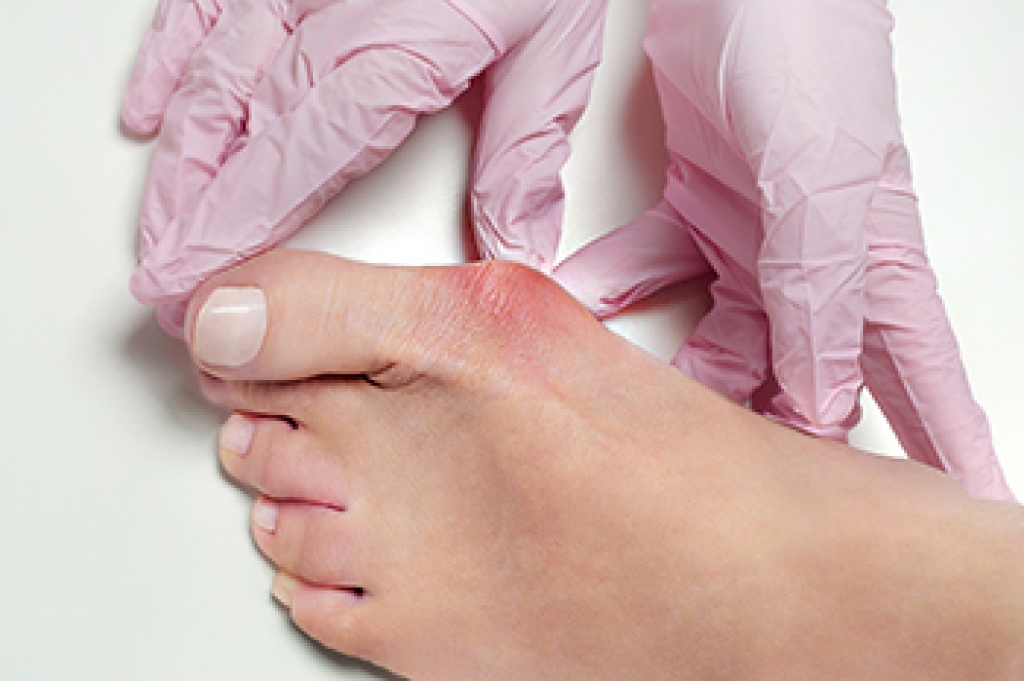
A bunion is a structural deformity of the foot that develops at the base of the big toe joint. It occurs when the joint shifts out of alignment, as the big toe leans toward the smaller toes. This change creates a visible bump on the side of the foot that can become painful over time. Bunions often develop gradually and may worsen without proper care. Common causes include genetic foot structure, wearing improper footwear, and repetitive pressure on the forefoot.
Early symptoms of a bunion include mild swelling, redness, and tenderness surrounding the joint. Many individuals notice a burning sensation or numbness in the affected area, especially after long periods of standing or walking. As the condition progresses, the joint may become stiff, and the shape of the foot can begin to change. Shoes may feel tighter, and irritation from friction can lead to additional discomfort. Recognizing these early signs is important for preventing further progression.
Risk factors for bunions include inherited foot mechanics, flat feet, and abnormal gait patterns. Wearing narrow or tight-fitting shoes that crowd the toes can increase pressure on the joint and accelerate deformity. Occupations or activities that place repeated stress on the forefoot may also contribute. Over time, these factors can lead to joint instability and worsening alignment of the big toe.
Managing bunions in the early stages focuses on reducing pressure and improving foot support. Wearing properly fitted shoes with a wide toe box can help minimize irritation. Orthotic support may improve alignment and reduce strain on the joint. Early intervention can slow progression and improve comfort. If you are noticing early stages of a bunion, it is suggested that you consult a podiatrist for effective relief and management tips.
If you are suffering from bunion pain, contact Kelly Whaley, DPM of Ohio. Our doctor can provide the care you need to keep you pain-free and on your feet.
What Is a Bunion?
Bunions are painful bony bumps that usually develop on the inside of the foot at the joint of the big toe. As the deformity increases over time, it may become painful to walk and wear shoes. Women are more likely to exacerbate existing bunions since they often wear tight, narrow shoes that shift their toes together. Bunion pain can be relieved by wearing wider shoes with enough room for the toes.
Causes
Symptoms
In order to diagnose your bunion, your podiatrist may ask about your medical history, symptoms, and general health. Your doctor might also order an x-ray to take a closer look at your feet. Nonsurgical treatment options include orthotics, padding, icing, changes in footwear, and medication. If nonsurgical treatments don’t alleviate your bunion pain, surgery may be necessary.
If you have any questions, please feel free to contact our office located in Willoughby, OH . We offer the newest diagnostic and treatment technologies for all your foot care needs.
