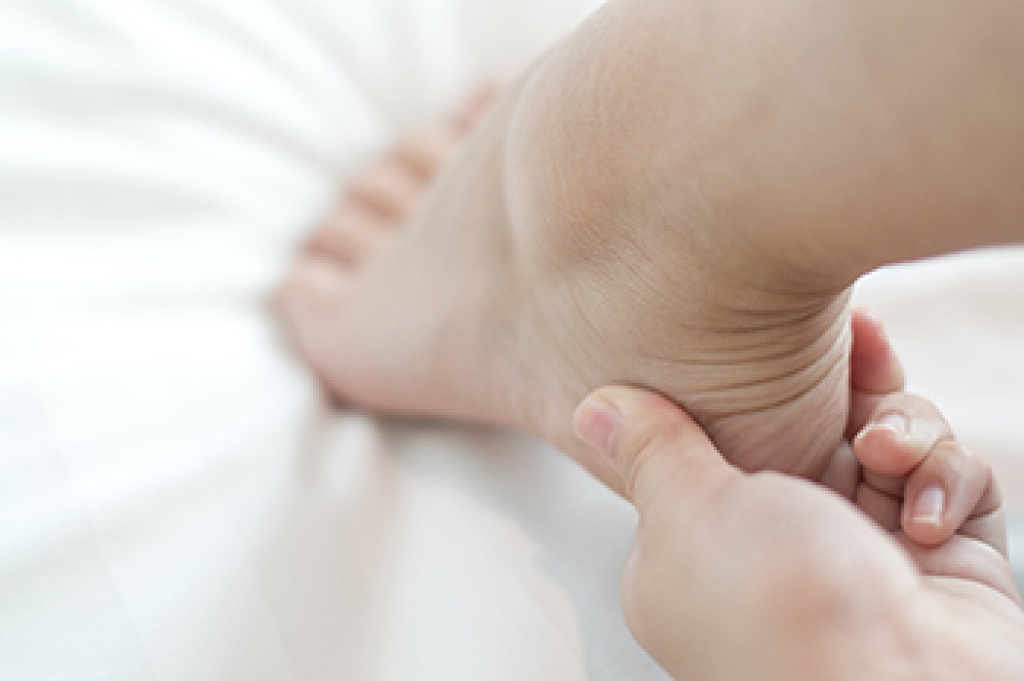
Sever's Disease Affects Children and Young Teenagers

A common condition that can affect children and young teenagers who actively participate in sporting activities is known as Sever’s disease. This is an ailment that affects the heels, and can develop as a result of a heel growth spurt. The heel pain is caused by tight calf muscles or Achilles tendon, and the pain may increase when their chosen activities are pursued. You may notice your child is limping, walking on their toes, or experiencing swelling surrounding the heel. These symptoms may be indicative of Sever’s disease. It is beneficial to wear shoes that fit correctly, and this may help the affected foot to feel better. Effective treatment starts with stopping the activity that caused the condition. It is also important to elevate the foot as often as possible. The average recovery time for Sever’s disease is approximately 2-3 months. If your child has these symptoms, it is advised that you consult with a podiatrist who can effectively diagnose and offer treatment solutions.

Sever's disease often occurs in children and teens. If your child is experiencing foot or ankle pain, see Kelly Whaley, DPM from Ohio. Our doctor can treat your child’s foot and ankle needs.

Sever’s Disease

Sever’s disease is also known as calcaneal apophysitis, which is a medical condition that causes heel pain I none or both feet. The disease is known to affect children between the ages of 8 and 14.

Sever’s disease occurs when part of the child’s heel known as the growth plate (calcaneal epiphysis) is attached to the Achilles tendon. This area can suffer injury when the muscles and tendons of the growing foot do not keep pace with bone growth. Therefore, the constant pain which one experiences at the back of the heel will make the child unable to put any weight on the heel. The child is then forced to walk on their toes.

Symptoms

Acute pain – Pain associated with Sever’s disease is usually felt in the heel when the child engages in physical activity such as walking, jumping and or running.

Highly active – Children who are very active are among the most susceptible in experiencing Sever’s disease, because of the stress and tension placed on their feet.

If you have any questions, please feel free to contact our office located in Willoughby, OH . We offer the newest diagnostic and treatment technologies for all your foot care needs.
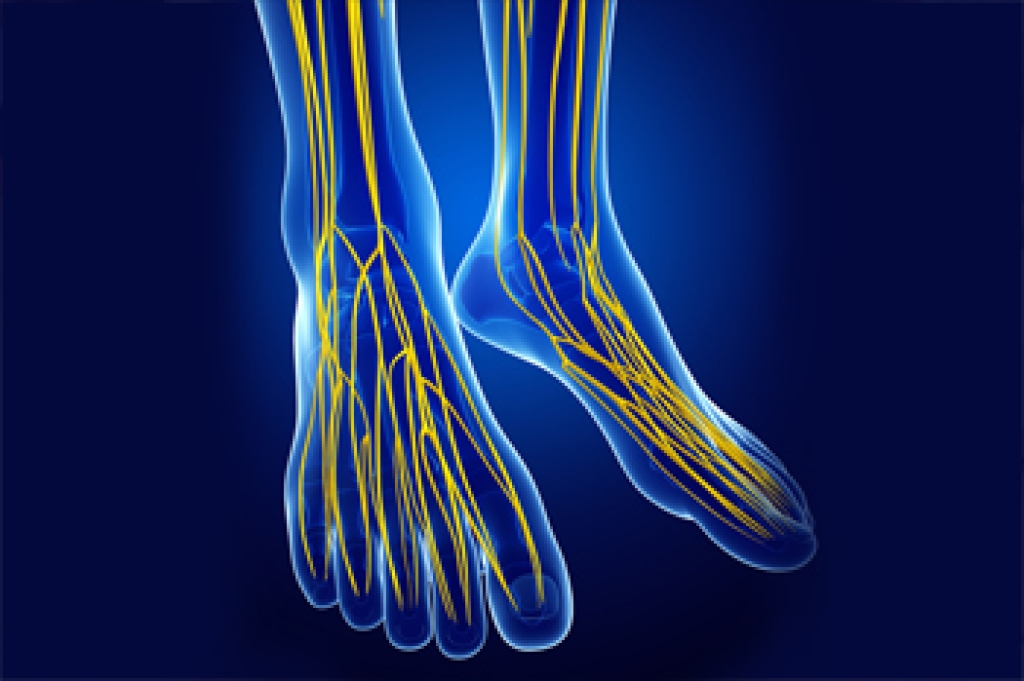

Read more about Sever's Disease

Nerve Compression in the Ankle May Cause Pain, Burning, and Numbness

There is a narrow passageway called the tarsal tunnel, which is located on the inside of the ankle. The tibial nerve, starting at the back of the leg, runs down through the tarsal tunnel, along with veins, arteries, and tendons. Because so many structures pass through the tarsal tunnel, the interior space is very confined. This space becomes even more constricted if an ankle injury occurs that causes inflammation or a swollen vein or tendon, or if a cyst develops within the tunnel. This can cause the tibial tendon to become squeezed, or compressed, and result in pain, burning, tingling, or numbness along the nerve’s path. This condition is known as tarsal tunnel syndrome. Flat feet, and inflammation due to arthritis and diabetes may also contribute to this condition developing. It is important to have tarsal tunnel syndrome diagnosed and treated as early as possible, not only to relieve pain and inflammation, but to avoid permanent nerve damage. A podiatrist can assess your condition and devise an appropriate treatment plan to get you on the road to recovery as soon as possible.

Tarsal tunnel syndrome can be very uncomfortable to live with. If you are experiencing tarsal tunnel syndrome, contact Kelly Whaley, DPM of Ohio. Our doctor can provide the care you need to keep you pain-free and on your feet.

Tarsal Tunnel Syndrome

Tarsal tunnel syndrome, which can also be called tibial nerve dysfunction, is an uncommon condition of misfiring peripheral nerves in the foot. The tibial nerve is the peripheral nerve in the leg responsible for sensation and movement of the foot and calf muscles. In tarsal tunnel syndrome, the tibial nerve is damaged, causing problems with movement and feeling in the foot of the affected leg.

Common Cause of Tarsal Tunnel Syndrome

  • Involves pressure or an injury, direct pressure on the tibial nerve for an extended period of time, sometimes caused by other body structures close by or near the knee.
  • Diseases that damage nerves, including diabetes, may cause tarsal tunnel syndrome.
  • At times, tarsal tunnel syndrome can appear without an obvious cause in some cases.

The Effects of Tarsal Tunnel Syndrome

  • Different sensations, an afflicted person may experience pain, tingling, burning or other unusual sensations in the foot of the affected leg.
  • The foot muscles, toes and ankle become weaker, and curling your toes or flexing your foot can become difficult.
  • If condition worsens, infections and ulcers may develop on the foot that is experiencing the syndrome.

A physical exam of the leg can help identify the presence of tarsal tunnel syndrome. Medical tests, such as a nerve biopsy, are also used to diagnose the condition. Patients may receive physical therapy and prescriptive medication. In extreme cases, some may require surgery.

If you have any questions please contact our office located in Willoughby, OH . We offer the newest diagnostic and treatment technologies for all your foot and ankle needs.

Read more about Tarsal Tunnel Syndrome

How Bad Are High Heels for My Feet?

Research has shown that one third of women who frequently wear high heels have fallen while wearing them. High heels may be the cause of foot problems in women, and some may suffer permanent damage. The foot condition that is called hammertoe may develop, and this may happen when the toes do not have adequate room to move freely in. Additionally, many women can get ingrown toenails, which can occur when the toe rubs against the top of the shoe. The foot can be forced into an unnatural shape when the heels are two inches or higher, and this may alter the foot structure. The foot may slide forward, causing the weight of the body to redistribute, and the body may tilt forward. This can wreak havoc on the overall body, and the posture may be negatively affected. There are many women who enjoy wearing high heels, and there are shoes that can be worn that are safer on the feet and body. These can include choosing shoes that have a lower heel, wearing soft insoles inside the shoe, and alternating shoes worn from one day to the next. If you would like additional information about how high heels can affect the feet, please consult with a podiatrist who can answer any questions you may have.

High heels have a history of causing foot and ankle problems. If you have any concerns about your feet or ankles, contact Kelly Whaley, DPM from Ohio. Our doctor can provide the care you need to keep you pain-free and on your feet.

Effects of High Heels on the Feet

High heels are popular shoes among women because of their many styles and societal appeal.  Despite this, high heels can still cause many health problems if worn too frequently.

Which Parts of My Body Will Be Affected by High Heels?

  • Ankle Joints
  • Achilles Tendon – May shorten and stiffen with prolonged wear
  • Balls of the Feet
  • Knees – Heels cause the knees to bend constantly, creating stress on them
  • Back – They decrease the spine’s ability to absorb shock, which may lead to back pain.  The vertebrae of the lower back may compress.

What Kinds of Foot Problems Can Develop from Wearing High Heels?

  • Corns
  • Calluses
  • Hammertoe
  • Bunions
  • Morton’s Neuroma
  • Plantar Fasciitis

How Can I Still Wear High Heels and Maintain Foot Health?

If you want to wear high heeled shoes, make sure that you are not wearing them every day, as this will help prevent long term physical problems.  Try wearing thicker heels as opposed to stilettos to distribute weight more evenly across the feet.  Always make sure you are wearing the proper shoes for the right occasion, such as sneakers for exercising.  If you walk to work, try carrying your heels with you and changing into them once you arrive at work.  Adding inserts to your heels can help cushion your feet and absorb shock. Full foot inserts or metatarsal pads are available. 

If you have any questions, please feel free to contact our office located in Willoughby, OH . We offer the newest diagnostic and treatment technologies for all your foot care needs.
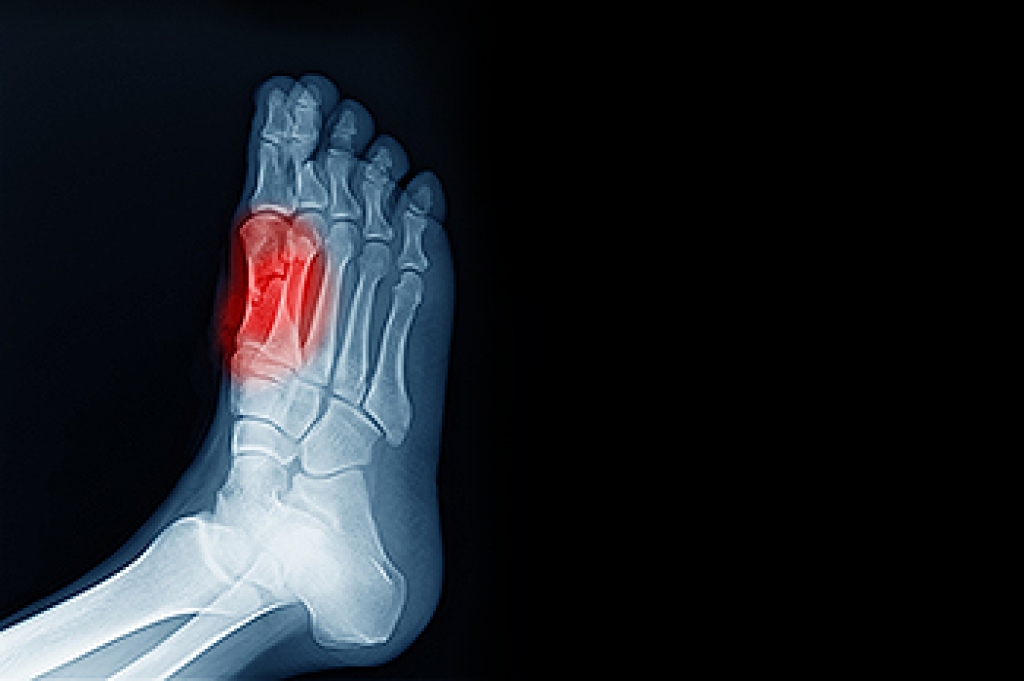
Read more about Effect of High Heels on the Feet

Sesamoiditis: A Sports Injury That Affects the Ball of the Foot

A sesamoid bone is independent, typically embedded in a muscle and connected to a tendon. There are sesamoids throughout the body such as the hands, wrist, feet, and kneecap which is the largest sesamoid. There are two sesamoid bones in the feet that are tiny, pea-shaped bones that are embedded in tendons in the ball of the foot. They are situated underneath the big toe joint. Repetitive stress in the ball of the foot can cause the sesamoids and the tendons in which they are embedded to become painful and inflamed. This condition is known as sesamoiditis. Although sesamoiditis can affect anyone, it often occurs in dancers and athletes who run and play tennis, basketball, and football. If you believe you may have sesamoiditis, consult with a podiatrist who can diagnose your condition through an examination and various imaging tests, and treat the condition using a variety of methods. 

Sesamoiditis is an unpleasant foot condition characterized by pain in the balls of the feet. If you think you’re struggling with sesamoiditis, contact Kelly Whaley, DPM of Ohio. Our doctor will treat your condition thoroughly and effectively.

Sesamoiditis

Sesamoiditis is a condition of the foot that affects the ball of the foot. It is more common in younger people than it is in older people. It can also occur with people who have begun a new exercise program, since their bodies are adjusting to the new physical regimen. Pain may also be caused by the inflammation of tendons surrounding the bones. It is important to seek treatment in its early stages because if you ignore the pain, this condition can lead to more serious problems such as severe irritation and bone fractures.

Causes of Sesamoiditis

  • Sudden increase in activity
  • Increase in physically strenuous movement without a proper warm up or build up
  • Foot structure: those who have smaller, bonier feet or those with a high arch may be more susceptible

Treatment for sesamoiditis is non-invasive and simple. Doctors may recommend a strict rest period where the patient forgoes most physical activity. This will help give the patient time to heal their feet through limited activity. For serious cases, it is best to speak with your doctor to determine a treatment option that will help your specific needs.

If you have any questions, please feel free to contact our office located in Willoughby, OH . We offer the newest diagnostic and treatment technologies for all your foot care needs.
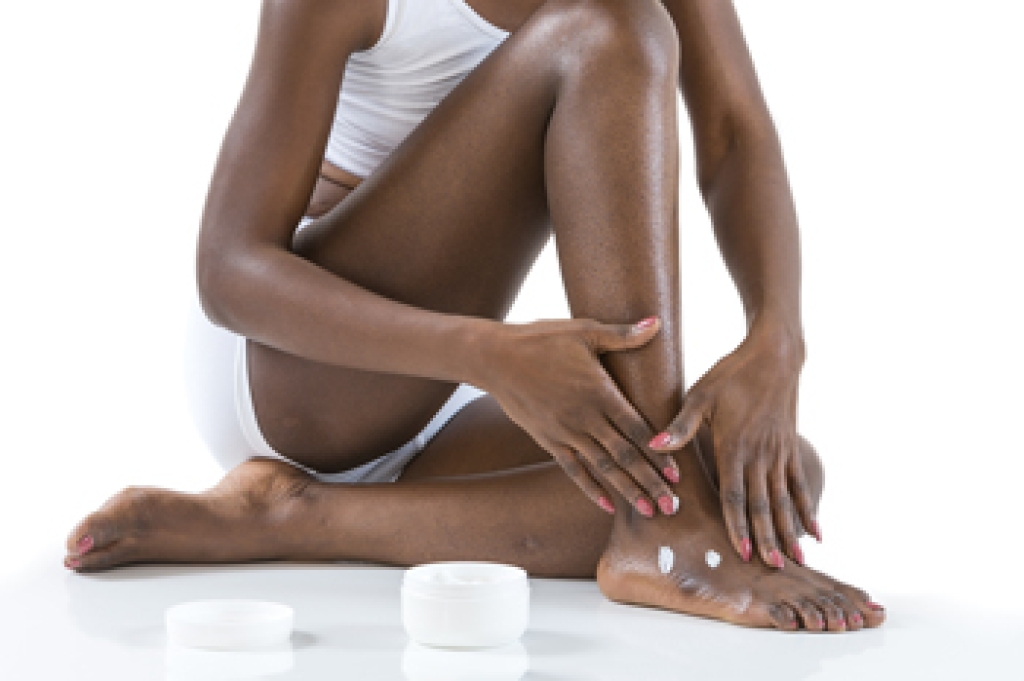
Read more about Sesamoiditis

Taking Care of Your Feet Every Day

We often take our feet for granted until they start hurting. Given how much we depend on our feet to get us through life, they are too important to overlook. Feet have about 26 bones and a complex network of muscles, tendons, and ligaments. They absorb the full impact of our body weight with every step we take and keep us balanced, upright, and mobile. Virtually everyone experiences foot problems in their lifetime – from foot odor, cracked heels, fallen arches, corns, to ingrown toenails, and fractures. Some of these problems can be avoided by practicing a good daily foot care routine that will help keep the skin, bones, and muscles of the feet functioning well. If necessary, use arch support inserts in shoes to keep your feet in the proper position to support your weight when you walk and provide more cushioning to the shoe. Wash, dry, and moisturize your feet daily, so that moisture and sweat do not build up and cause bacteria to grow or skin problems to develop. Wear socks made of cotton or wool to protect your feet from wear and tear, and to absorb and wick away moisture. This can also provide extra shock absorption. Note that if you are an athlete, you might want to wear high performance socks when engaging in your sport that are made of synthetic materials and are better at protecting feet from moisture. If you would like more information about how to properly care for your feet, consult with a podiatrist who can answer questions, diagnose, and treat foot and ankle problems.

Everyday foot care is very important to prevent infection and other foot ailments. If you need your feet checked, contact Kelly Whaley, DPM from Ohio. Our doctor can provide the care you need to keep you pain-free and on your feet.

Everyday Foot Care

Often, people take care of their bodies, face and hair more so than they do for their feet. But the feet are a very important aspect of our bodies, and one that we should pay more attention to. Without our feet, we would not be able to perform most daily tasks.

It is best to check your feet regularly to make sure there are no new bruises or cuts that you may not have noticed before. For dry feet, moisturizer can easily be a remedy and can be applied as often as necessary to the affected areas. Wearing shoes that fit well can also help you maintain good foot health, as well as making it easier to walk and do daily activities without the stress or pain of ill-fitting shoes, high heels, or even flip flops. Wearing clean socks with closed shoes is important to ensure that sweat and bacteria do not accumulate within the shoe. Clean socks help to prevent Athlete’s foot, fungi problems, bad odors, and can absorb sweat.

If you have any questions, please feel free to contact our office located in Willoughby, OH . We offer the newest diagnostic and treatment technologies for all your foot care needs.

Read more about Every Day Foot Care

Advanced Podiatric Procedures & Services in the Lake County and Cuyahoga County, OH areas