What Causes Achilles Tendon Injuries?

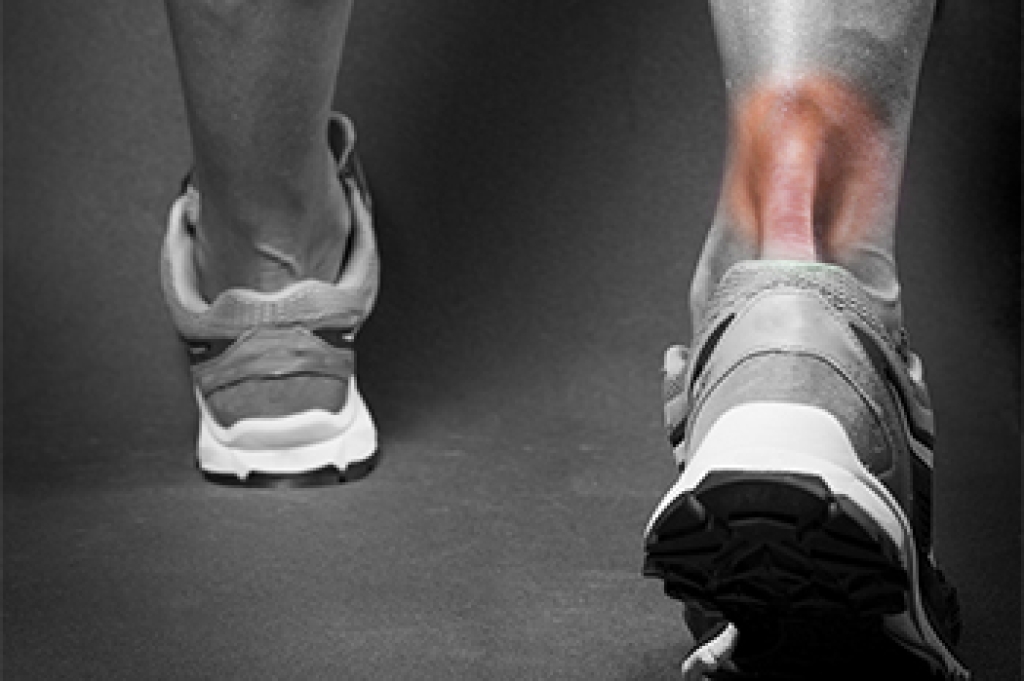
The Achilles tendon is found in the lower part of the calf, and it connects the heel to the calf muscles. This tendon can become easily injured, generally from increasing speed and mileage too quickly. When the tendon is stretched beyond its normal range of motion it may rupture completely or partially, which can cause considerable pain and discomfort. Patients who have this condition can find it difficult to walk, and prompt medical attention is often sought. Additionally, people can develop another type of Achilles tendon injury, which is referred to as Achilles tendinopathy. This is described as a chronic condition that can be a result of gradual wear and tear of the Achilles tendon. In both cases, relief may start with ceasing the activity that caused the injury. In severe cases, surgery may be necessary to repair the tendon. If you have an Achilles tendon injury, it is strongly suggested that you are under the care of a podiatrist who can guide you toward correct treatment techniques.

Achilles tendon injuries need immediate attention to avoid future complications. If you have any concerns, contact Kelly Whaley, DPM of Ohio. Our doctor can provide the care you need to keep you pain-free and on your feet.

What Is the Achilles Tendon?

The Achilles tendon is a tendon that connects the lower leg muscles and calf to the heel of the foot. It is the strongest tendon in the human body and is essential for making movement possible. Because this tendon is such an integral part of the body, any injuries to it can create immense difficulties and should immediately be presented to a doctor.

What Are the Symptoms of an Achilles Tendon Injury?

There are various types of injuries that can affect the Achilles tendon. The two most common injuries are Achilles tendinitis and ruptures of the tendon.

Achilles Tendinitis Symptoms

  • Inflammation
  • Dull to severe pain
  • Increased blood flow to the tendon
  • Thickening of the tendon

Rupture Symptoms

  • Extreme pain and swelling in the foot
  • Total immobility

Treatment and Prevention

Achilles tendon injuries are diagnosed by a thorough physical evaluation, which can include an MRI. Treatment involves rest, physical therapy, and in some cases, surgery. However, various preventative measures can be taken to avoid these injuries, such as:

  • Thorough stretching of the tendon before and after exercise
  • Strengthening exercises like calf raises, squats, leg curls, leg extensions, leg raises, lunges, and leg presses

If you have any questions please feel free to contact our office located in Willoughby, OH . We offer the newest diagnostic tools and technology to treat your foot and ankle needs.
Read more about What are Achilles Tendon Injuries

Do You Work on Your Feet?

Many people who work on their feet for most of the day understand the importance of resting their feet briefly during a scheduled break before returning to their duties at work. This can include many professions including the restaurant industry, medical personnel, and retail workers. There are several foot conditions that can result from standing all day. Plantar fasciitis, poor circulation, bunions, and foot arthritis are a few examples. It is extremely beneficial to wear shoes that fit correctly and are comfortable. It is essential to choose shoes that have a good support system and avoid shoes that are flat like flip-flops or ballet shoes. Additionally, it is suggested to refrain from wearing shoes that will push the toes forward which can move the center of gravity. Many people wear compression socks as this can be helpful in controlling circulation. When the workday is over, many people understand the pleasure of soaking their feet in warm water since this is helpful in reducing pain and inflammation. If you would like more information about how to protect the feet while working or standing all day, please consult with a podiatrist who can answer any questions you may have.

While working on the feet, it is important to take the proper care of them. For more information about working on your feet, contact Kelly Whaley, DPM from Ohio. Our doctor will treat your foot and ankle needs.

Working on Your Feet

Standing on your feet for long periods of time can cause stress and pain in your feet. Your whole body may experience change in terms of posture, back pain, bunions, callouses and or plantar warts. There are ways to avoid these conditions with proper foot care, smart choices and correct posture.

Positive Changes

Negative heeled shoe – Choosing this shoe type places the heel slightly lower than the ball of the foot. These are great for overall foot health. Find shoes that fit you correctly.

Go barefoot – Our feet were not designed to be enclosed for all hours of the day. Try to periodically expose your feet to air.

Eliminate Pain

Foot Exercises – Performing simple exercises, incorporating yoga and doing stretches are beneficial. This will allow increased blood flow to the area and muscles of the foot.

Achilles tendon – Stretching the foot out flat on the floor will relax the calf muscles and tendon. These exercises can be performed almost anywhere. Make sure you add these exercises to your daily regimen. 

With a little bit of this information and knowing more about foot health, you will notice changes. Foot stretches and proper footwear will help with pain and prevent further issues.

If you have any questions please contact our office located in Willoughby, OH . We offer the newest diagnostic and treatment technologies for all your foot and ankle needs.

Read more about Working on Your Feet

What Do Heel Spurs Feel Like?

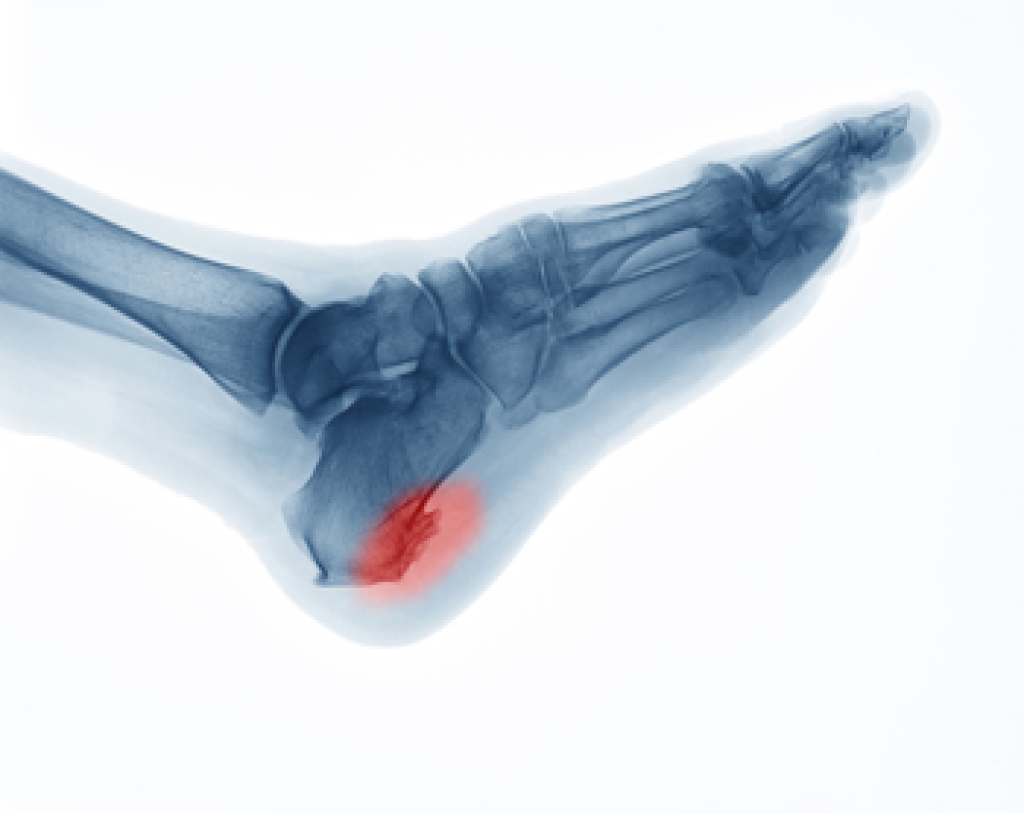
When an individual develops a heel spur, a bony outgrowth on the heel points towards the arch of the foot. This outgrowth is made of a calcium deposit, and it may be pointy, hooked, or flat in shape. X-ray scans can reveal the heel spur to be up to a half of an inch in size. If you are someone who engages in significant amounts of physical activity or frequently walks on hard surfaces, you may be at an increased risk of developing heel spurs. Living with a heel spur can feel different from case to case. For example, while it can be painful for some people, others report experiencing no symptoms. However, if your case of heel spurs is painful, you could notice a kind of sharp pain in the heel. Typically, this pain can be most pronounced in the morning when you take your first steps of the day. You may also feel a diminished kind of ache in the heel throughout the rest of the day. It is also possible that the front of the heel can be swollen and inflamed. Sometimes the heel spur might even cause sensations of tenderness in the affected area. If you believe that you may have a heel spur, contact a podiatrist who can help you with your condition. 

Heel spurs can be incredibly painful and sometimes may make you unable to participate in physical activities. To get medical care for your heel spurs, contact Kelly Whaley, DPM from Ohio. Our doctor will do everything possible to treat your condition.

Heels Spurs

Heel spurs are formed by calcium deposits on the back of the foot where the heel is. This can also be caused by small fragments of bone breaking off one section of the foot, attaching onto the back of the foot. Heel spurs can also be bone growth on the back of the foot and may grow in the direction of the arch of the foot.

Older individuals usually suffer from heel spurs and pain sometimes intensifies with age. One of the main condition's spurs are related to is plantar fasciitis.

Pain

The pain associated with spurs is often because of weight placed on the feet. When someone is walking, their entire weight is concentrated on the feet. Bone spurs then have the tendency to affect other bones and tissues around the foot. As the pain continues, the feet will become tender and sensitive over time.

Treatments

There are many ways to treat heel spurs. If one is suffering from heel spurs in conjunction with pain, there are several methods for healing. Medication, surgery, and herbal care are some options.

If you have any questions, please feel free to contact our office located in Willoughby, OH . We offer the newest diagnostic and treatment technologies for all your foot care needs.

Read more about Heel Spurs

Flat Feet in Adults

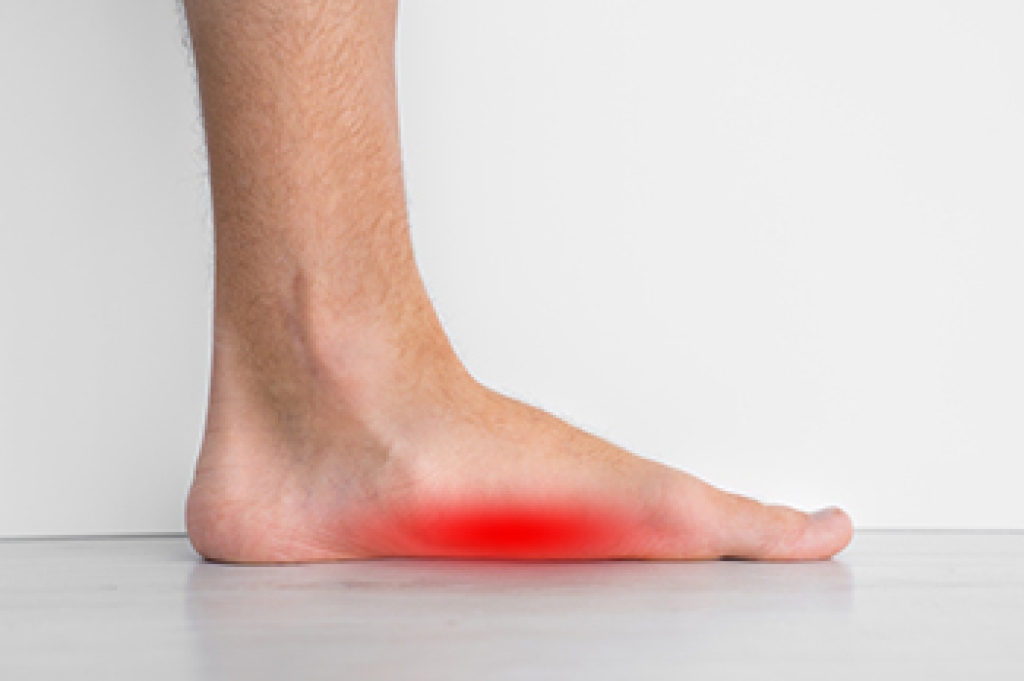
Flat feet is a condition that usually affects children. The condition occurs when an individual lacks an arch in their feet, and their entire foot can rest completely against the ground. For example, newborn babies or even toddlers will frequently not exhibit any arch, simply because their arches have not yet developed and matured. Despite the prevalence of flat feet in young children, adults can also be afflicted with this condition. For instance, flat foot is common for individuals who are obese. This is because the added weight that obese people put on their feet when standing can push their natural arches down to the floor. Additionally, women who are pregnant may experience flat feet because during a pregnancy, the body produces a substance known as elastin, which effectively loosens tissues and skin. Also, those living with rheumatoid arthritis may experience flat feet at some point in their lives. If you believe that you might have flat feet or are at risk of developing flat feet, you can consult a podiatrist because this condition tends to get worse as one ages. Do not take any chances–see a podiatrist today for more information about flat feet.

Flatfoot is a condition many people suffer from. If you have flat feet, contact Kelly Whaley, DPM from Ohio. Our doctor will treat your foot and ankle needs.

What Are Flat Feet?

Flatfoot is a condition in which the arch of the foot is depressed and the sole of the foot is almost completely in contact with the ground. About 20-30% of the population generally has flat feet because their arches never formed during growth.

Conditions & Problems:

Having flat feet makes it difficult to run or walk because of the stress placed on the ankles.

Alignment – The general alignment of your legs can be disrupted, because the ankles move inward which can cause major discomfort.

Knees – If you have complications with your knees, flat feet can be a contributor to arthritis in that area.  

Symptoms

  • Pain around the heel or arch area
  • Trouble standing on the tip toe
  • Swelling around the inside of the ankle
  • Flat look to one or both feet
  • Having your shoes feel uneven when worn

Treatment

If you are experiencing pain and stress on the foot you may weaken the posterior tibial tendon, which runs around the inside of the ankle. 

If you have any questions, please feel free to contact our office located in Willoughby, OH . We offer the newest diagnostic and treatment technologies for all your foot care needs.

Read more about Flat Feet

Advanced Podiatric Procedures & Services in the Lake County and Cuyahoga County, OH areas