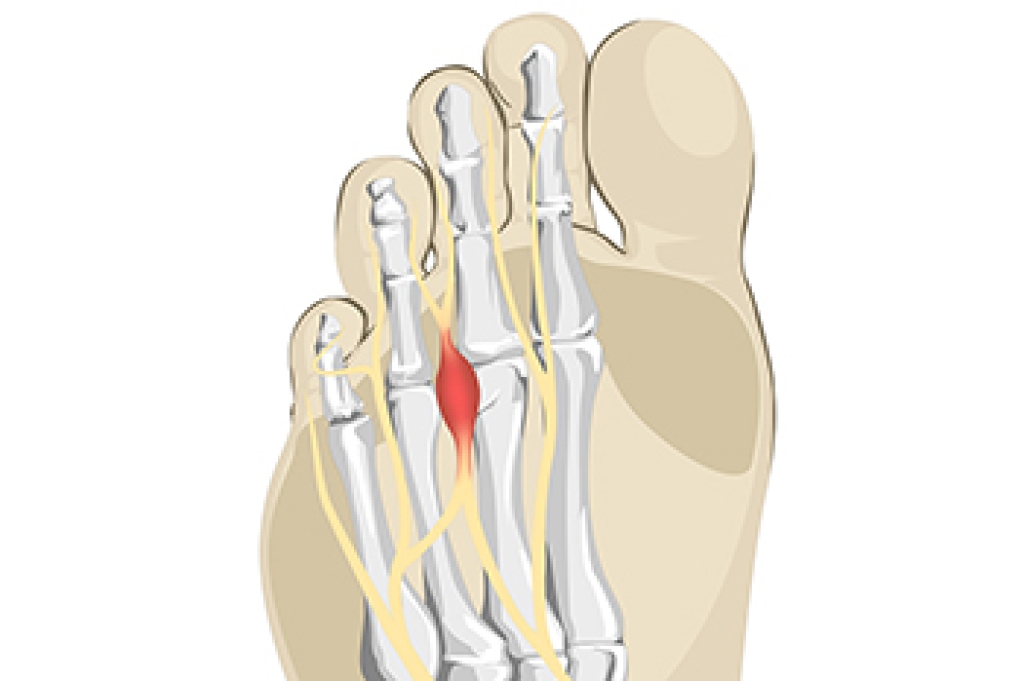
How Did I Get Morton’s Neuroma?

People who have experienced Morton’s neuroma are aware of the severe pain and discomfort it may cause. It is a foot condition that is caused by wearing shoes that are too tight. High heels can fall into this category, possibly causing pressure on the nerve that is found between the third and fourth toes. This nerve can become irritated and compressed, and refraining from wearing high heels may provide relief for some patients. Additionally, frequently resting the affected foot may lessen the symptoms, which can include a burning or tingling sensation, followed by a dull ache. A proper diagnosis is necessary to have effective treatment. This can consist of squeezing the affected area, and gauging the pain level. In severe cases, surgery may be necessary to repair or remove the damaged nerve. If you have pain in this part of your foot, it is strongly advised that you consult with a podiatrist who can determine what the best course of treatment is for you.

Morton’s neuroma is a very uncomfortable condition to live with. If you think you have Morton’s neuroma, contact Kelly Whaley, DPM of Ohio. Our doctor will attend to all of your foot care needs and answer any of your related questions.  

Morton’s Neuroma

Morton's neuroma is a painful foot condition that commonly affects the areas between the second and third or third and fourth toe, although other areas of the foot are also susceptible. Morton’s neuroma is caused by an inflamed nerve in the foot that is being squeezed and aggravated by surrounding bones.

What Increases the Chances of Having Morton’s Neuroma?

  • Ill-fitting high heels or shoes that add pressure to the toe or foot
  • Jogging, running or any sport that involves constant impact to the foot
  • Flat feet, bunions, and any other foot deformities

Morton’s neuroma is a very treatable condition. Orthotics and shoe inserts can often be used to alleviate the pain on the forefront of the feet. In more severe cases, corticosteroids can also be prescribed. In order to figure out the best treatment for your neuroma, it’s recommended to seek the care of a podiatrist who can diagnose your condition and provide different treatment options.

If you have any questions, please feel free to contact our office located in Willoughby, OH . We offer the newest diagnostic and treatment technologies for all your foot care needs.
Read more about Morton's Neuroma

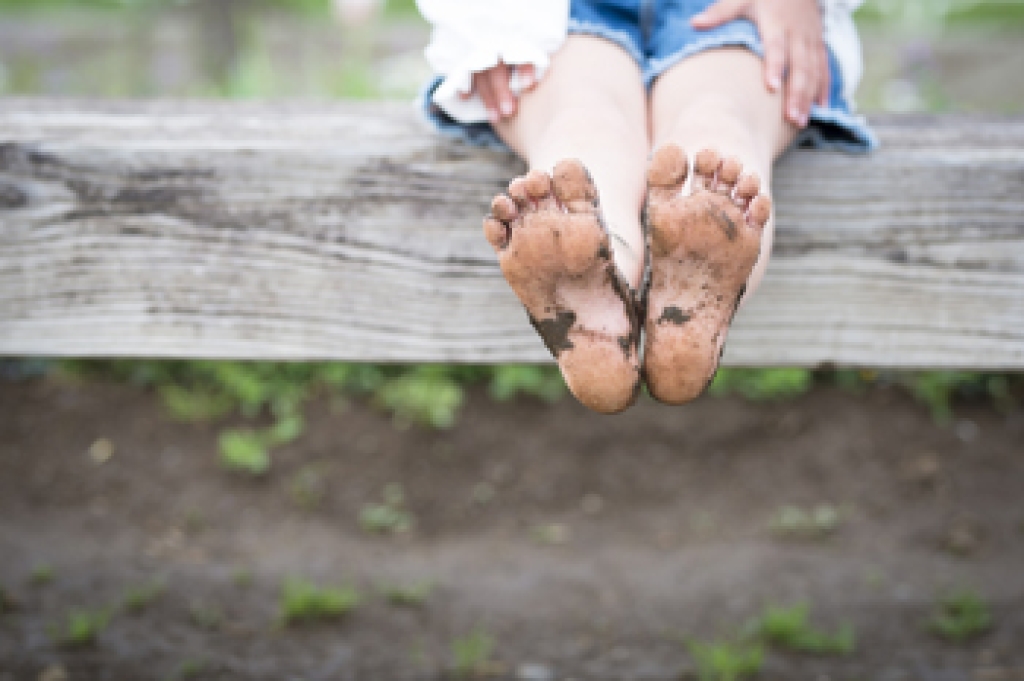
Pay Attention to Children’s Foot Problems

Children’s foot problems often go undiagnosed because parents do not know what to pay attention to, or they believe their kids will outgrow the problems. Ankle and foot ailments can be common in children because they are so physically active, but it can be easy to overlook these things because kids are so resilient. Parents should watch for symptoms of common foot and ankle problems among children. These problems include ankles turning in more than usual, pain, the arch of the foot flattening, cramping, limping, or a change in the activity level of the child. Children who participate in sports are most apt to experience foot and ankle issues. If your child exhibits the symptoms described above, consult with a podiatrist so that the risk of problems turning into more serious or chronic conditions is mitigated. 

The health of a child’s feet is vital to their overall well-being. If you have any questions regarding foot health, contact Kelly Whaley, DPM of Ohio. Our doctor can provide the care you need to keep you pain-free and on your feet.

Tips for Keeping Children's Feet Healthy

  • Make sure their shoes fit properly
  • Look for any signs of in-toeing or out-toeing
  • Check to see if they have Clubfoot (condition that affects your child’s foot and ankle, twisting the heel and toes inward) which is one of the most common nonmajor birth defects.
  • Lightly cover your baby’s feet (Tight covers may keep your baby from moving their feet freely, and could prevent normal development)
  • Allow your toddler to go shoeless (Shoes can be restricting for a young child’s foot)
  • Cut toenails straight across to avoid ingrown toenails
  • Keep your child’s foot clean and dry
  • Cover cuts and scrapes. Wash any scratches with soap and water and cover them with a bandage until they’ve healed.

If you have any questions, please feel free to contact our office located in Willoughby, OH . We offer the newest diagnostic and treatment technologies for all your foot care needs.
Read more about How to Care for Your Child's Feet

The Difference Between Sciatica and Plantar Fasciitis

Plantar fasciitis is a widespread and important kind of foot affliction to be aware of. It is primarily developed when an individual’s plantar fascia, or band of tissue that runs along the arch of the foot, becomes inflamed and aggravated. Pain can be felt in the feet as a result. Importantly, this condition is distinctly different from sciatica, although they each cause some kind of foot pain. Sciatica, by contrast, can occur in an individual when certain nerves that are located in the back can become compressed. Due to the compression, sensations of pain and numbness can travel down the body into the feet. For more information about what makes plantar fasciitis different from sciatica, please contact a podiatrist today. 


Plantar fasciitis is a common foot condition that is often caused by a strain injury. If you are experiencing heel pain or symptoms of plantar fasciitis, contact Kelly Whaley, DPM from Ohio. Our doctor can provide the care you need to keep you pain-free and on your feet.

What Is Plantar Fasciitis?

Plantar fasciitis is one of the most common causes of heel pain. The plantar fascia is a ligament that connects your heel to the front of your foot. When this ligament becomes inflamed, plantar fasciitis is the result. If you have plantar fasciitis you will have a stabbing pain that usually occurs with your first steps in the morning. As the day progresses and you walk around more, this pain will start to disappear, but it will return after long periods of standing or sitting.

What Causes Plantar Fasciitis?

  • Excessive running
  • Having high arches in your feet
  • Other foot issues such as flat feet
  • Pregnancy (due to the sudden weight gain)
  • Being on your feet very often

There are some risk factors that may make you more likely to develop plantar fasciitis compared to others. The condition most commonly affects adults between the ages of 40 and 60. It also tends to affect people who are obese because the extra pounds result in extra stress being placed on the plantar fascia.

Prevention

  • Take good care of your feet – Wear shoes that have good arch support and heel cushioning.
  • Maintain a healthy weight
  • If you are a runner, alternate running with other sports that won’t cause heel pain

There are a variety of treatment options available for plantar fasciitis along with the pain that accompanies it. Additionally, physical therapy is a very important component in the treatment process. It is important that you meet with your podiatrist to determine which treatment option is best for you.

If you have any questions, please feel free to contact our office located in Willoughby, OH . We offer the newest diagnostic and treatment technologies for all your foot care needs.


Read more about Plantar Fasciitis

Strengthening Ankles and Feet for Surfing

Surfing injuries commonly affect the ankles. Injuries due to surfing are often caused by forceful landings, particularly by new or competitive surfers practicing complex aerial maneuvers. To prevent such injuries, strengthening the feet and ankles is recommended. In addition to preventing injuries, strengthening the lower extremities will aid in improving overall surfing performance. Using a rail-to-rail surf balance board is a way of strengthening the ankles in a controlled way. Standing heel raises are an easy way to strengthen ankles and feet and can be done anywhere. Sand walking also can help increase strength for surfing. If you are a surfer and have sustained a foot or ankle injury or want additional suggestions for preventing such harm, consult with a podiatrist today.

Sports related foot and ankle injuries require proper treatment before players can go back to their regular routines. For more information, contact Kelly Whaley, DPM of Ohio. Our doctor can provide the care you need to keep you pain-free and on your feet.

Sports Related Foot and Ankle Injuries

Foot and ankle injuries are a common occurrence when it comes to athletes of any sport. While many athletes dismiss the initial aches and pains, the truth is that ignoring potential foot and ankle injuries can lead to serious problems. As athletes continue to place pressure and strain the area further, a mild injury can turn into something as serious as a rupture and may lead to a permanent disability. There are many factors that contribute to sports related foot and ankle injuries, which include failure to warm up properly, not providing support or wearing bad footwear. Common injuries and conditions athletes face, including:

  • Plantar Fasciitis
  • Achilles Tendinitis
  • Achilles Tendon Rupture
  • Ankle Sprains

Sports related injuries are commonly treated using the RICE method. This includes rest, applying ice to the injured area, compression and elevating the ankle. More serious sprains and injuries may require surgery, which could include arthroscopic and reconstructive surgery. Rehabilitation and therapy may also be required in order to get any recovering athlete to become fully functional again. Any unusual aches and pains an athlete sustains must be evaluated by a licensed, reputable medical professional.

If you have any questions please contact our office located in Willoughby, OH . We offer the newest diagnostic and treatment technologies for all your foot and ankle needs.

Read more about Sports Related Foot And Ankle Injuries

Advanced Podiatric Procedures & Services in the Lake County and Cuyahoga County, OH areas