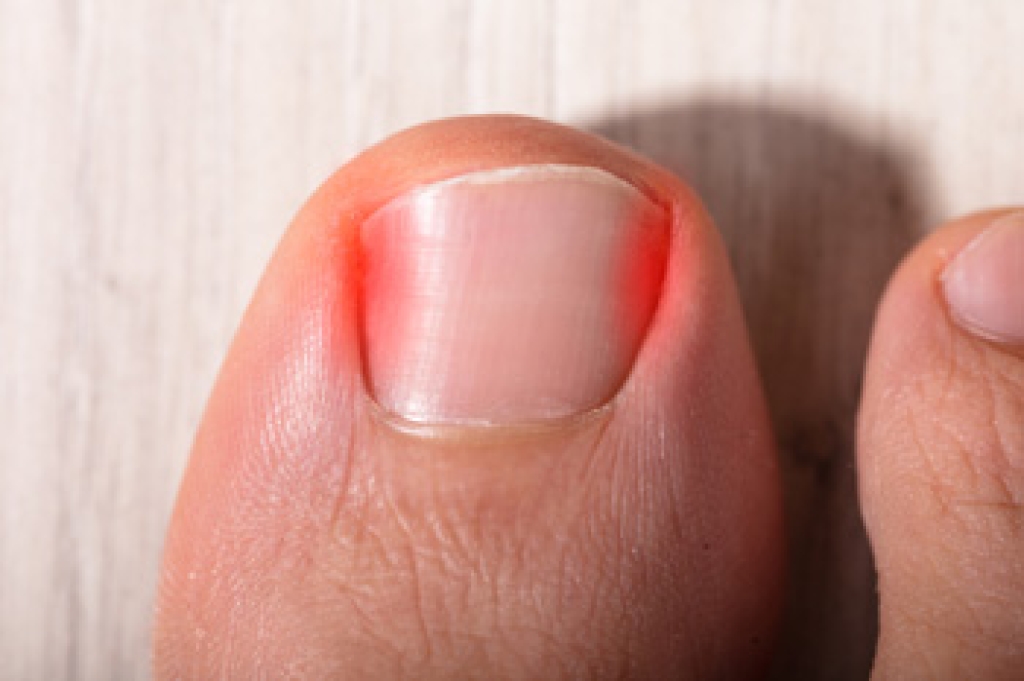
Painful Ingrown Toenails

Ingrown toenails, a common foot ailment, occur when the toenail's edge grows into the surrounding skin, often causing pain, redness, and swelling. This condition can affect any toe but is most frequently seen on the big toe. The causes of ingrown toenails are diverse, typically stemming from improper nail trimming, where cutting the nail too short or rounding its edges can encourage it to grow into the skin. Wearing ill-fitting shoes that compress the toes or trauma to the nail can also trigger ingrowth. Additionally, some individuals may have a genetic predisposition to ingrown toenails due to the natural shape of their nails. Hygiene also plays a role, as fungal infections can thicken the nail, making it more likely to become ingrown. If not addressed promptly, ingrown toenails can lead to infections, making early care essential for foot health. If you have developed an ingrown toenail, it is strongly suggested that you are under the care of a podiatrist who can effectively treat this condition.

Ingrown toenails may initially present themselves as a minor discomfort, but they may progress into an infection in the skin without proper treatment. For more information about ingrown toenails, contact Kelly Whaley, DPM of Ohio. Our doctor can provide the care you need to keep you pain-free and on your feet.

Ingrown Toenails

Ingrown toenails are caused when the corner or side of a toenail grows into the soft flesh surrounding it. They often result in redness, swelling, pain, and in some cases, infection. This condition typically affects the big toe and may recur if it is not treated properly.

Causes

  • Improper toenail trimming
  • Genetics
  • Improper shoe fitting
  • Injury from pedicures or nail picking
  • Abnormal gait
  • Poor hygiene

You are more likely to develop an ingrown toenail if you are obese, have diabetes, arthritis, or have any fungal infection in your nails. Additionally, people who have foot or toe deformities are at a higher risk of developing an ingrown toenail.

Symptoms

Some symptoms of ingrown toenails are redness, swelling, and pain. In rare cases, there may be a yellowish drainage coming from the nail.

Treatment

Ignoring an ingrown toenail can have serious complications. Infections of the nail border can progress to a deeper soft-tissue infection, which can then turn into a bone infection. You should always speak with your podiatrist if you suspect you have an ingrown toenail, especially if you have diabetes or poor circulation.

If you have any questions, please feel free to contact our office located in Willoughby, OH . We offer the newest diagnostic and treatment technologies for all your foot care needs.

Read more about Ingrown Toenail Care

Is Your Heel Pain From Plantar Fasciitis?

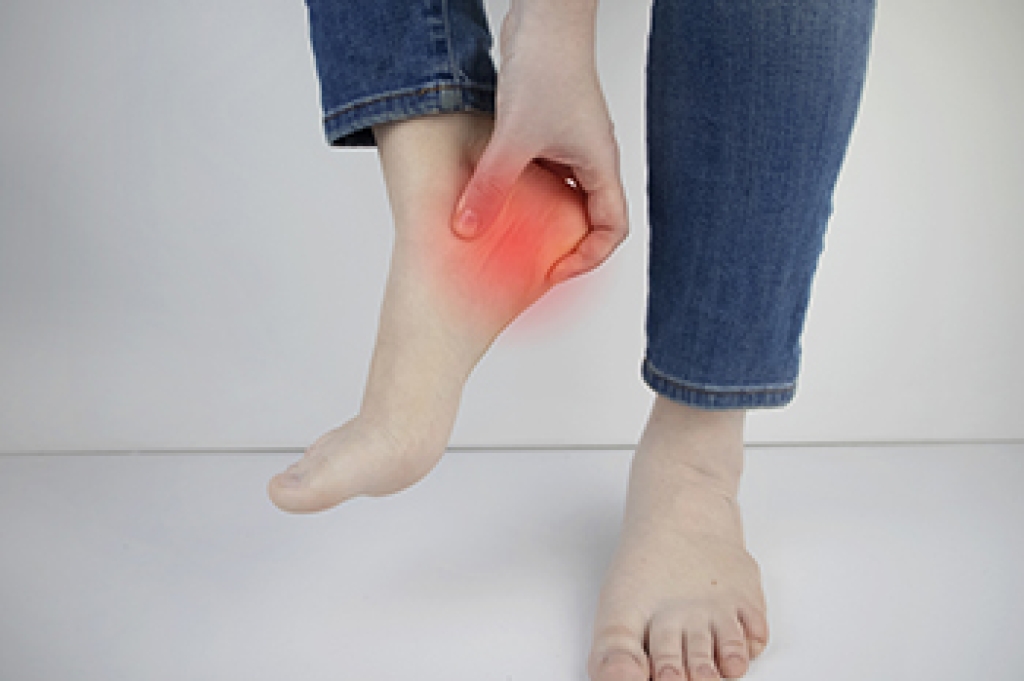
Determining the root cause of heel pain can be challenging, especially when other conditions like arthritis or tarsal tunnel syndrome come into play. Plantar fasciitis is a leading culprit behind heel pain. It is characterized by sharp pain, inflammation, and tenderness in the sole of the foot, particularly near the heel. Notably, the pain is most pronounced during the first few steps in the morning or after prolonged periods of sitting. Unlike osteoarthritis, which tends to worsen with movement, plantar fasciitis pain often improves as you walk around but worsens later in the day. The condition arises when the plantar fascia, the ligament connecting the heel to the ball of the foot, loses its elasticity and develops tiny tears. These tears lead to painful swelling in the ligament. Diagnosis by a podiatrist may involve a thorough medical history, a physical examination, including range-of-motion tests, and sometimes an X-ray. The good news is that most people with plantar fasciitis find relief through non-invasive, non-surgical treatments. If you suspect you may have developed plantar fasciitis, it is suggested that you make an appointment with a podiatrist for an exam, a diagnosis, and suggested treatment options.

Plantar fasciitis can be very painful and inconvenient. If you are experiencing heel pain or symptoms of plantar fasciitis, contact Kelly Whaley, DPM  from Ohio. Our doctor can provide the care you need to keep you pain-free and on your feet.

What Is Plantar Fasciitis?

Plantar fasciitis is the inflammation of the thick band of tissue that runs along the bottom of your foot, known as the plantar fascia, and causes mild to severe heel pain.

What Causes Plantar Fasciitis?

  • Excessive running
  • Non-supportive shoes
  • Overpronation
  • Repeated stretching and tearing of the plantar fascia

How Can It Be Treated?

  • Conservative measures – anti-inflammatories, ice packs, stretching exercises, physical therapy, orthotic devices
  • Shockwave therapy – sound waves are sent to the affected area to facilitate healing and are usually used for chronic cases of plantar fasciitis
  • Surgery – usually only used as a last resort when all else fails. The plantar fascia can be surgically detached from the heel

While very treatable, plantar fasciitis is definitely not something that should be ignored. Especially in severe cases, speaking to your doctor right away is highly recommended to avoid complications and severe heel pain. Your podiatrist can work with you to provide the appropriate treatment options tailored to your condition.

If you have any questions, please feel free to contact our office located in Willoughby, OH . We offer the newest diagnostic and treatment technologies for all your foot care needs.
Read more about Plantar Fasciitis

Benefits Versus Potential Foot Conditions From Playing Pickelball

Pickleball, a popular sport combining elements of tennis, badminton, and ping-pong, offers a range of benefits while posing some potential foot concerns. On the plus side, pickleball provides an excellent cardiovascular workout, promoting heart health and weight management. It is a low-impact sport, reducing stress on joints, and making it suitable for various age groups. Enhanced agility, balance, and improved hand-eye coordination are additional perks. However, repetitive lateral movements and sudden directional changes may lead to foot conditions, such as plantar fasciitis or Achilles tendonitis. The quick, short sprints involved can strain calf and ankle muscles. Wearing proper footwear and stretching before and after playing are vital to minimize risks. Overall, the enjoyment and health advantages derived from playing pickleball can be well balanced with adequate foot care and injury prevention measures. If you would like additional knowledge concerning foot health and pickleball, it is suggested that you consult a podiatrist who can provide you with the information you are seeking.

Ankle and foot injuries are common among athletes and in many sports. They can be caused by several problems and may be potentially serious. If you are feeling pain or think you were injured in a sporting event or when exercising, consult with Kelly Whaley, DPM from Ohio. Our doctor will assess your condition and provide you with quality foot and ankle treatment.

Common Injuries

The most common injuries that occur in sporting activities include:

  • Achilles Tendonitis
  • Achilles Tendon Rupture
  • Ankle Sprains
  • Broken Foot
  • Plantar Fasciitis
  • Stress Fractures
  • Turf Toe

Symptoms

Symptoms vary depending upon the injury and in some cases, there may be no symptoms at all. However, in most cases, some form of symptom is experienced. Pain, aching, burning, bruising, tenderness, tightness or stiffness, sensation loss, difficulty moving, and swelling are the most common symptoms.

Treatment

Just as symptoms vary depending upon the injury, so do treatment options. A common treatment method is known as the RICE method. This method involves rest, applying ice, compression and elevating the afflicted foot or ankle. If the injury appears to be more serious, surgery might be required, such as arthroscopic or reconstructive surgery. Lastly, rehabilitation or therapy might be needed to gain full functionality in the afflicted area. Any discomfort experienced by an athlete must be evaluated by a licensed, reputable medical professional.  

If you have any questions please contact our office located in Willoughby, OH . We offer the newest diagnostic and treatment technologies for all your foot and ankle needs.

Read more about Sports Related Foot and Ankle Injuries

Essential Tips for Diabetic Foot Health

For individuals living with diabetes, proper foot care is more than just a routine, it is a necessary aspect of managing their overall health. Diabetes can lead to a range of foot complications, making preventive measures and vigilant care essential. This can start with inspecting the feet daily. Check for any cuts, blisters, sores, or changes in skin color or temperature. Since diabetes can lead to neuropathy, which is nerve damage, you may not feel minor injuries. It is important to keep feet clean and dry, making sure to gently wash them with lukewarm water and mild soap. Avoid hot water, as it can lead to burns or injuries you may not notice. Moisturize the feet regularly, but avoid applying lotion between the toes to prevent fungal infections. Choose comfortable, well-fitting shoes with adequate support and cushioning. Inspect the inside of your shoes for foreign objects or rough seams. By following these diabetic foot care tips diligently, you can reduce the risk of complications. If you have diabetes, it is suggested that you are under the care of a podiatrist who can help you to manage this condition. 

Diabetic foot care is important in preventing foot ailments such as ulcers. If you are suffering from diabetes or have any other concerns about your feet, contact Kelly Whaley, DPM from Ohio. Our doctor can provide the care you need to keep you pain-free and on your feet.

Diabetic Foot Care

Diabetes affects millions of people every year. The condition can damage blood vessels in many parts of the body, especially the feet. Because of this, taking care of your feet is essential if you have diabetes, and having a podiatrist help monitor your foot health is highly recommended.

The Importance of Caring for Your Feet

  • Routinely inspect your feet for bruises or sores.
  • Wear socks that fit your feet comfortably.
  • Wear comfortable shoes that provide adequate support.

Patients with diabetes should have their doctor monitor their blood levels, as blood sugar levels play such a huge role in diabetic care. Monitoring these levels on a regular basis is highly advised.

It is always best to inform your healthcare professional of any concerns you may have regarding your feet, especially for diabetic patients. Early treatment and routine foot examinations are keys to maintaining proper health, especially because severe complications can arise if proper treatment is not applied.

If you have any questions, please feel free to contact our office located in Willoughby, OH . We offer the newest diagnostic and treatment technologies for all your foot care needs.

Read more about How to Care for Diabetic Foot

Get Proper Treatment for Ankle Injuries

If you're experiencing ankle pain, you may be suffering from an ankle injury. Sprains, fractures, Achilles tendonitis, and Achilles tendon ruptures are just some examples of potential ankle injuries. Don't wait for care for an ankle injury, as it may worsen over time. We can help!

Advanced Podiatric Procedures & Services in the Lake County and Cuyahoga County, OH areas