
Children’s Foot Odor

Children’s feet perspire more when compared to adult feet. When moisture is present, bacteria are encouraged. Skin oils and dead skin cells also attract bacteria. The bacteria produce organic acid wastes and sulfur compounds that smell like rotten eggs. Overactive sweat glands can also trigger foot sweating. Sometimes, infection, chronic disease, or hormonal imbalances can also lead to this affliction. Taking care of excessive foot perspiration in childhood will help prevent the problem in adulthood. Wearing shoes made of breathable material provides air circulation and discourages bacteria growth. Rotating shoes so the child does not wear the same pair every day will also help allow shoes to dry out between wearing. Clean socks should be worn every day and changed after sports participation to reduce odor. Keeping such odor under control also requires washing the feet daily and making sure they are thoroughly dried. If your child suffers from persistent foot odor, take them to a podiatrist to have the problem evaluated and determine whether it is part of normal development, or if special treatment is required.

Making sure that your children maintain good foot health is very important as they grow. If you have any questions, contact Kelly Whaley, DPM of Ohio. Our doctor can provide the care you need to keep you pain-free and on your feet.

Keeping Children's Feet Healthy

Having healthy feet during childhood can help prevent medical problems later in life, namely in the back and legs. As children grow, their feet require different types of care. Here are some things to consider...

Although babies do not walk yet, it is still very important to take care of their feet.

Avoid putting tight shoes or socks on his or her feet.

Allow the baby to stretch and kick his or her feet to feel comfortable.

As a toddler, kids are now on the move and begin to develop differently. At this age, toddlers are getting a feel for walking, so don’t be alarmed if your toddler is unsteady or ‘walks funny’. 

As your child gets older, it is important to teach them how to take care of their feet.

Show them proper hygiene to prevent infections such as fungus.

Be watchful for any pain or injury.

Have all injuries checked by a doctor as soon as possible.

Comfortable, protective shoes should always be worn, especially at play.

If you have any questions, please feel free to contact our office located in Willoughby, OH . We offer the newest diagnostic and treatment technologies for all your foot care needs.
Read more about What to Do to Keep Your Child’s Feet Healthy

Tarsal Tunnel Syndrome and Running

Tarsal tunnel syndrome can be particularly bothersome to runners. This condition occurs in an individual when a nerve called the posterior tibial nerve becomes compressed. As a result of this compression, an individual might feel pain or tingling sensations. Runners exert a lot of pressure on their feet; therefore, this condition can be quite bothersome to these athletes. Although recommended treatment options will vary from runner to runner, sometimes wearing orthotics may help.  Another potential remedy might be strengthening and improving the flexibility of the feet. Sometimes, overpronation might be the culprit for a case of tarsal tunnel syndrome, so carefully monitoring one’s running style might also be of use. Contact a podiatrist today for more information.

Tarsal tunnel syndrome can be very uncomfortable to live with. If you are experiencing tarsal tunnel syndrome, contact Kelly Whaley, DPM of Ohio. Our doctor can provide the care you need to keep you pain-free and on your feet.

Tarsal Tunnel Syndrome

Tarsal tunnel syndrome, which can also be called tibial nerve dysfunction, is an uncommon condition of misfiring peripheral nerves in the foot. The tibial nerve is the peripheral nerve in the leg responsible for sensation and movement of the foot and calf muscles. In tarsal tunnel syndrome, the tibial nerve is damaged, causing problems with movement and feeling in the foot of the affected leg.

Common Cause of Tarsal Tunnel Syndrome

  • Involves pressure or an injury, direct pressure on the tibial nerve for an extended period of time, sometimes caused by other body structures close by or near the knee.
  • Diseases that damage nerves, including diabetes, may cause tarsal tunnel syndrome.
  • At times, tarsal tunnel syndrome can appear without an obvious cause in some cases.

The Effects of Tarsal Tunnel Syndrome

  • Different sensations, an afflicted person may experience pain, tingling, burning or other unusual sensations in the foot of the affected leg.
  • The foot muscles, toes and ankle become weaker, and curling your toes or flexing your foot can become difficult.
  • If condition worsens, infections and ulcers may develop on the foot that is experiencing the syndrome.

A physical exam of the leg can help identify the presence of tarsal tunnel syndrome. Medical tests, such as a nerve biopsy, are also used to diagnose the condition. Patients may receive physical therapy and prescriptive medication. In extreme cases, some may require surgery.

If you have any questions please contact our office located in Willoughby, OH . We offer the newest diagnostic and treatment technologies for all your foot and ankle needs.

Read more about Treating Tarsal Tunnel Syndrome

Elderly Foot Care

Elderly foot care can help prevent injuries, falls, and complications from chronic diseases like diabetes. Since muscle tissue on the feet can thin and nerves work less effectively with age, one might not feel if they have cuts, blisters, or sores on their feet. Daily examination of the feet with a mirror is therefore important. Wear well-fitting shoes that provide stability. When going outdoors, wear closed-toe shoes to protect your feet and prevent cuts and scrapes. Keep toenails trimmed by cutting them straight across and not too short to avoid ingrown toenails. To promote good circulation, stop smoking if you smoke, stretch your feet each day, prop them up on a stool or couch when sitting, and wiggle your toes when sitting for long periods. Wash your feet daily, dry them well, and apply a moisturizer. Change socks regularly to prevent fungal infections. If you are a senior and have a problem with your feet or just want to ensure your feet remain in good shape, visit a podiatrist regularly for foot checks.

Proper foot care is something many older adults forget to consider. If you have any concerns about your feet and ankles, contact Kelly Whaley, DPM from Ohio. Our doctor can provide the care you need to keep you pain-free and on your feet.

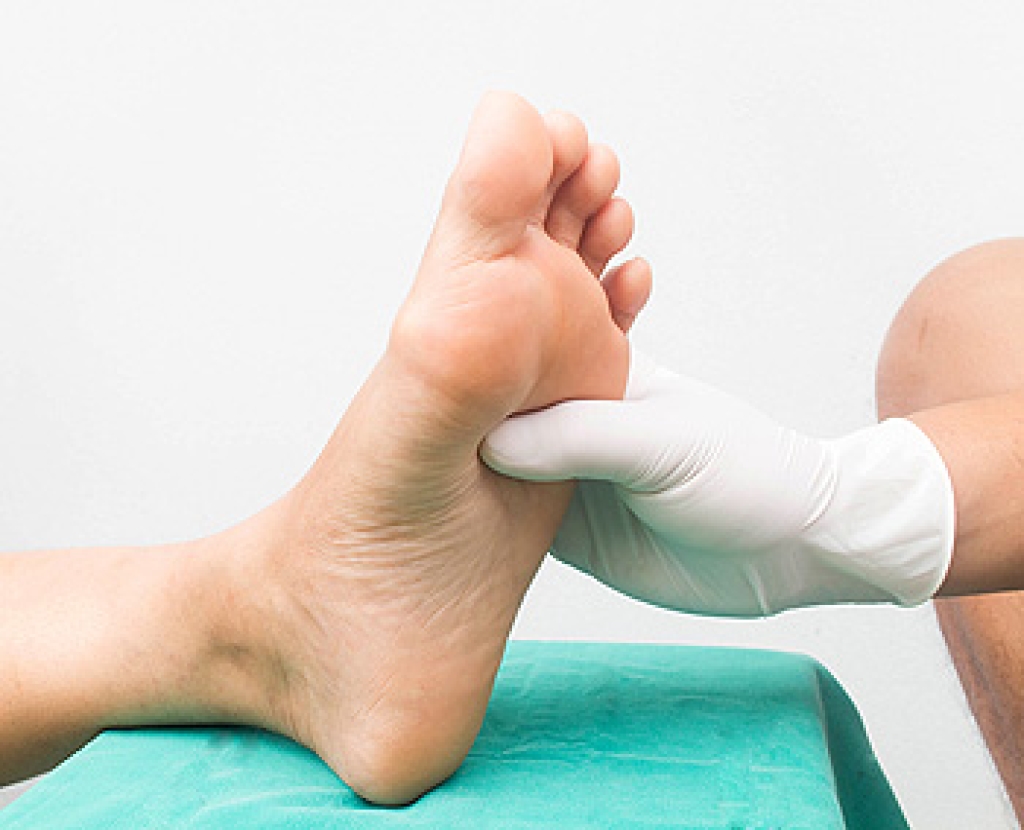
The Elderly and Their Feet

As we age we start to notice many changes in our body, but the elder population may not notice them right away. Medical conditions may prevent the elderly to take notice of their foot health right away. Poor vision is a lead contributor to not taking action for the elderly.

Common Conditions 

  • Neuropathy – can reduce feeling in the feet and can hide many life-threatening medical conditions.
  • Reduced flexibility – prevents the ability of proper toenail trimming, and foot cleaning. If left untreated, it may lead to further medical issues.
  • Foot sores – amongst the older population can be serious before they are discovered. Some of the problematic conditions they may face are:
  • Gouging toenails affecting nearby toe
  • Shoes that don’t fit properly
  • Pressure sores
  • Loss of circulation in legs & feet
  • Edema & swelling of feet and ankles

Susceptible Infections

Diabetes and poor circulation can cause general loss of sensitivity over the years, turning a simple cut into a serious issue.

If you have any questions, please feel free to contact our office located in Willoughby, OH . We offer the newest diagnostic and treatment technologies for all your foot care needs.
Read more about Elderly and their Feet

Ways Diabetics Can Care For Their Feet

As a diabetic, foot problems can become a major concern. The result of long-term high blood sugar levels often leads to neuropathy, which can endanger the health of the feet and lower limbs. A daily foot care routine is imperative to help avoid foot ulcers and other conditions that could lead to gangrene or limb removal. Experts recommend the following measures that can help to protect your feet. Reserve time each day to check the feet for sores, wounds, and cuts, especially those that seem to be taking a long time to heal. Wear shoes that fit properly and do not rub or pinch. Keep your feet elevated whenever possible. Do mild foot and toe exercises to keep them moving and encourage blood flow to the area. Check for signs of inflammation or infection by being aware of unusual changes in the temperature of your feet. Avoid wearing anything tight around the legs and ankles, as that can restrict blood flow. Also, avoid smoking, which increases the risk of serious problems. It is strongly suggested that as a diabetic you schedule regular appointments with a podiatrist who is equipped to help manage foot-related complications from this disease.

Diabetic foot care is important in preventing foot ailments such as ulcers. If you are suffering from diabetes or have any other concerns about your feet, contact Kelly Whaley, DPM from Ohio. Our doctor can provide the care you need to keep you pain-free and on your feet.

Diabetic Foot Care

Diabetes affects millions of people every year. The condition can damage blood vessels in many parts of the body, especially the feet. Because of this, taking care of your feet is essential if you have diabetes, and having a podiatrist help monitor your foot health is highly recommended.

The Importance of Caring for Your Feet

  • Routinely inspect your feet for bruises or sores.
  • Wear socks that fit your feet comfortably.
  • Wear comfortable shoes that provide adequate support.

Patients with diabetes should have their doctor monitor their blood levels, as blood sugar levels play such a huge role in diabetic care. Monitoring these levels on a regular basis is highly advised.

It is always best to inform your healthcare professional of any concerns you may have regarding your feet, especially for diabetic patients. Early treatment and routine foot examinations are keys to maintaining proper health, especially because severe complications can arise if proper treatment is not applied.

If you have any questions, please feel free to contact our office located in Willoughby, OH . We offer the newest diagnostic and treatment technologies for all your foot care needs.

Read more about Diabetic Foot Conditions

Advanced Podiatric Procedures & Services in the Lake County and Cuyahoga County, OH areas