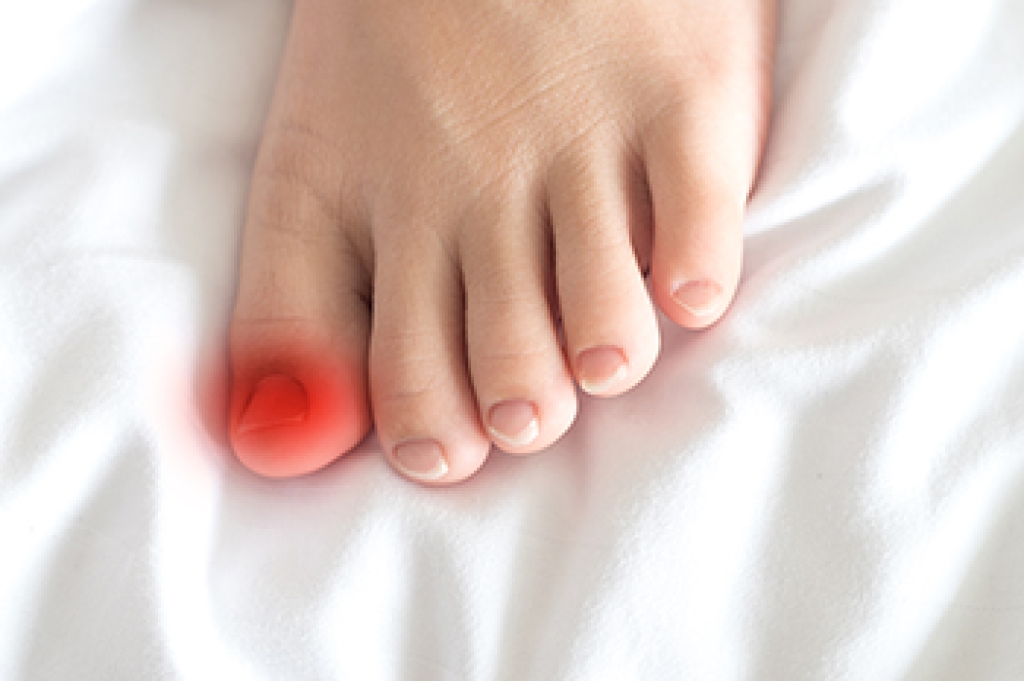
Symptoms of an Ingrown Toenail

Ingrown toenails are generally painful and can become infected when medical attention from a podiatrist is not promptly sought. Ingrown toenails can develop from wearing shoes that do not fit correctly, or when the toenails are trimmed improperly. An ingrown toenail is defined as a toenail that grows into the skin instead of over it. The symptoms many people experience include the surrounding skin becoming red and tender, in addition to pus oozing from the toenail once it becomes infected. Some patients have found mild relief when the affected toe is soaked in warm water, followed by using a small piece of cotton to gently pull the nail away from the skin, however, these are temporary solutions. If you have developed an ingrown toenail, please schedule an appointment with a podiatrist who is qualified to perform minor surgery for complete healing.

Ingrown toenails can become painful if they are not treated properly. For more information about ingrown toenails, contact Kelly Whaley, DPM of Ohio. Our doctor can provide the care you need to keep you pain-free and on your feet.

Ingrown Toenails

Ingrown toenails occur when a toenail grows sideways into the bed of the nail, causing pain, swelling, and possibly infection.

Causes

  • Bacterial infections
  • Improper nail cutting such as cutting it too short or not straight across
  • Trauma to the toe, such as stubbing, which causes the nail to grow back irregularly
  • Ill-fitting shoes that bunch the toes too close together
  • Genetic predisposition

Prevention

Because ingrown toenails are not something found outside of shoe-wearing cultures, going barefoot as often as possible will decrease the likeliness of developing ingrown toenails. Wearing proper fitting shoes and using proper cutting techniques will also help decrease your risk of developing ingrown toenails.

Treatment

Ingrown toenails are a very treatable foot condition. In minor cases, soaking the affected area in salt or antibacterial soaps will not only help with the ingrown nail itself, but also help prevent any infections from occurring. In more severe cases, surgery is an option. In either case, speaking to your podiatrist about this condition will help you get a better understanding of specific treatment options that are right for you.

If you have any questions, please feel free to contact our office located in Willoughby, OH . We offer the newest diagnostic and treatment technologies for all your foot care needs.
Read more about Ingrown Toenail Care

Effective Tips on How to Care For Your Feet

The average person takes hundreds of steps every day, which adds up to thousands per week. This can be one reason why people have achy feet at the end of the day, and practicing everyday foot care techniques may help to alleviate the discomfort. This can begin by washing and drying the feet thoroughly, followed by applying a good moisturizer on them. Many people like to sprinkle powder on their feet, which can help to keep the feet fresh by absorbing excess moisture. It is important to keep the toenails trimmed, and this is properly done by cutting them straight across instead of in a curved fashion. This is an effective way of preventing ingrown toenails from developing. Wearing shoes that fit correctly is another way of taking care of our feet. It is beneficial to choose shoes that have adequate room for the toes to move freely in, which may be helpful in preventing hammertoe and bunions from forming. If you would like additional information and tips on daily foot care habits, please confer with a podiatrist.

Everyday foot care is very important to prevent infection and other foot ailments. If you need your feet checked, contact Kelly Whaley, DPM from Ohio. Our doctor can provide the care you need to keep you pain-free and on your feet.

Everyday Foot Care

Often, people take care of their bodies, face and hair more so than they do for their feet. But the feet are a very important aspect of our bodies, and one that we should pay more attention to. Without our feet, we would not be able to perform most daily tasks.

It is best to check your feet regularly to make sure there are no new bruises or cuts that you may not have noticed before. For dry feet, moisturizer can easily be a remedy and can be applied as often as necessary to the affected areas. Wearing shoes that fit well can also help you maintain good foot health, as well as making it easier to walk and do daily activities without the stress or pain of ill-fitting shoes, high heels, or even flip flops. Wearing clean socks with closed shoes is important to ensure that sweat and bacteria do not accumulate within the shoe. Clean socks help to prevent Athlete’s foot, fungi problems, bad odors, and can absorb sweat.

If you have any questions, please feel free to contact our office located in Willoughby, OH . We offer the newest diagnostic and treatment technologies for all your foot care needs.
Read more about Everyday Foot Care

A Possible Treatment for a Broken Toe

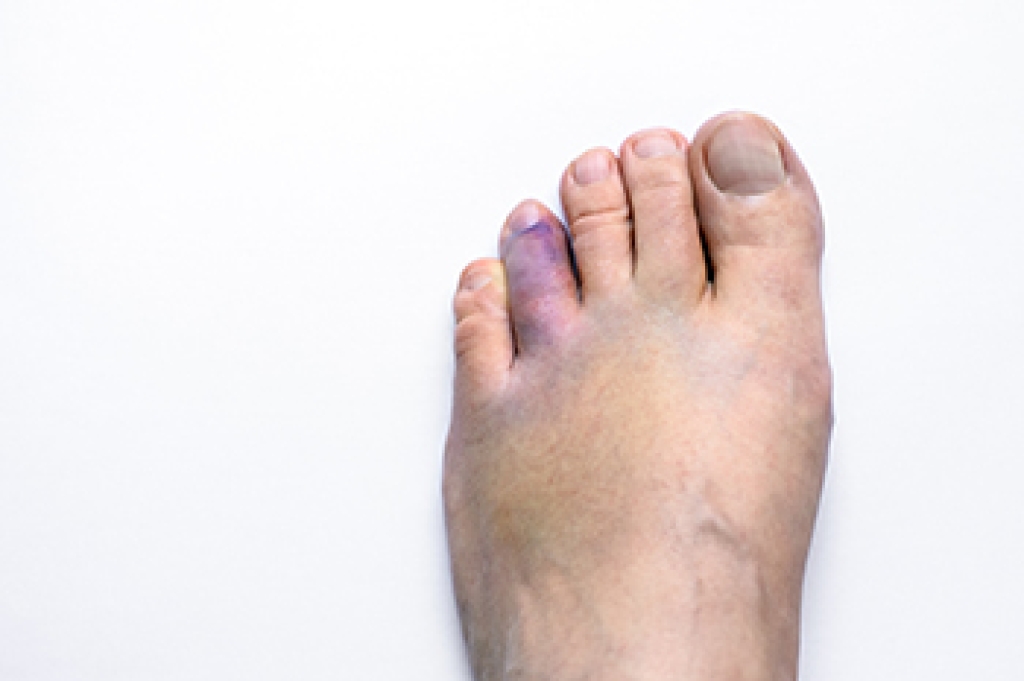
A broken toe is generally not a serious foot condition, despite the fact that it can cause pain, discomfort, and inconvenience. It is considered to be a common ailment, and it can happen for a variety of reasons. These can consist of dropping a heavy object on it or stubbing it into a piece of furniture. Additionally, it may fracture from increasing physical activity too quickly, possibly resulting in a hairline fracture of the toe. The common symptoms that many people experience with a broken toe can include immediate bruising, swelling, and it is often difficult to walk. The buddy taping method can be effective in treating mildly broken toes. This is accomplished by taping the affected toe to the toe next to it, which is generally adequate in providing the necessary stability as the healing process occurs. For severely broken toes, the expertise of a podiatrist is needed who can effectively treat broken toes. 

A broken toe can be very painful and lead to complications if not properly fixed. If you have any concerns about your feet, contact Kelly Whaley, DPM from Ohio. Our doctor will treat your foot and ankle needs.

What to Know About a Broken Toe

Although most people try to avoid foot trauma such as banging, stubbing, or dropping heavy objects on their feet, the unfortunate fact is that it is a common occurrence. Given the fact that toes are positioned in front of the feet, they typically sustain the brunt of such trauma. When trauma occurs to a toe, the result can be a painful break (fracture).

Symptoms of a Broken Toe

  • Throbbing pain
  • Swelling
  • Bruising on the skin and toenail
  • The inability to move the toe
  • Toe appears crooked or disfigured
  • Tingling or numbness in the toe

Generally, it is best to stay off of the injured toe with the affected foot elevated.

Severe toe fractures may be treated with a splint, cast, and in some cases, minor surgery. Due to its position and the pressure it endures with daily activity, future complications can occur if the big toe is not properly treated.

If you have any questions, please feel free to contact our office located in Willoughby, OH . We offer the newest diagnostic and treatment technologies for all your foot care needs.
Read more about What to Know About a Broken Toe

A Broken Foot May Be a Common Injury Among Children

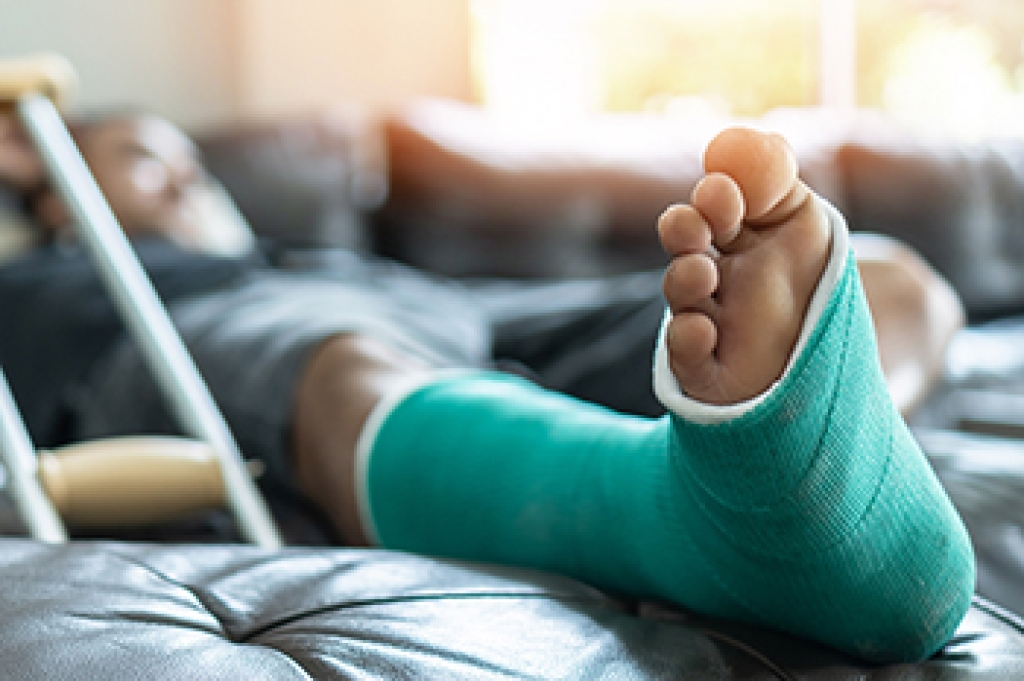
A broken foot is a common injury that can occur in children. The majority of children spend their day running, jumping, and falling, and in most cases, the bones have adequate flexibility and strength that may help to avoid fracturing a foot. For the rare occasions that a child breaks their foot, it is beneficial to know that the healing time is often accelerated as a result of their age. One of the most common reasons a child may break their foot is from falling. There are noticeable symptoms of this, including severe pain, numbness, and the inability to walk. Once a proper diagnosis is obtained, the correct treatment can begin.This generally involves putting the broken foot in a cast or walking boot, which is typically adequate in providing the necessary stability as the healing process occurs. If your child has broken their foot, please consult with a podiatrist as quickly as possible who can help advise you of proper treatment, so your child can resume normal activities.

A broken foot requires immediate medical attention and treatment. If you need your feet checked, contact Kelly Whaley, DPM from Ohio. Our doctor can provide the care you need to keep you pain-free and on your feet.

Broken Foot Causes, Symptoms, and Treatment

A broken foot is caused by one of the bones in the foot typically breaking when bended, crushed, or stretched beyond its natural capabilities. Usually the location of the fracture indicates how the break occurred, whether it was through an object, fall, or any other type of injury. 

Common Symptoms of Broken Feet:

  • Bruising
  • Pain
  • Redness
  • Swelling
  • Blue in color
  • Numbness
  • Cold
  • Misshapen
  • Cuts
  • Deformities

Those that suspect they have a broken foot shoot seek urgent medical attention where a medical professional could diagnose the severity.

Treatment for broken bones varies depending on the cause, severity and location. Some will require the use of splints, casts or crutches while others could even involve surgery to repair the broken bones. Personal care includes the use of ice and keeping the foot stabilized and elevated.

If you have any questions, please feel free to contact our office located in Willoughby, OH . We offer the newest diagnostic and treatment technologies for all your foot care needs.

Read more about Causes, Symptoms, and Treatment for a Broken Foot

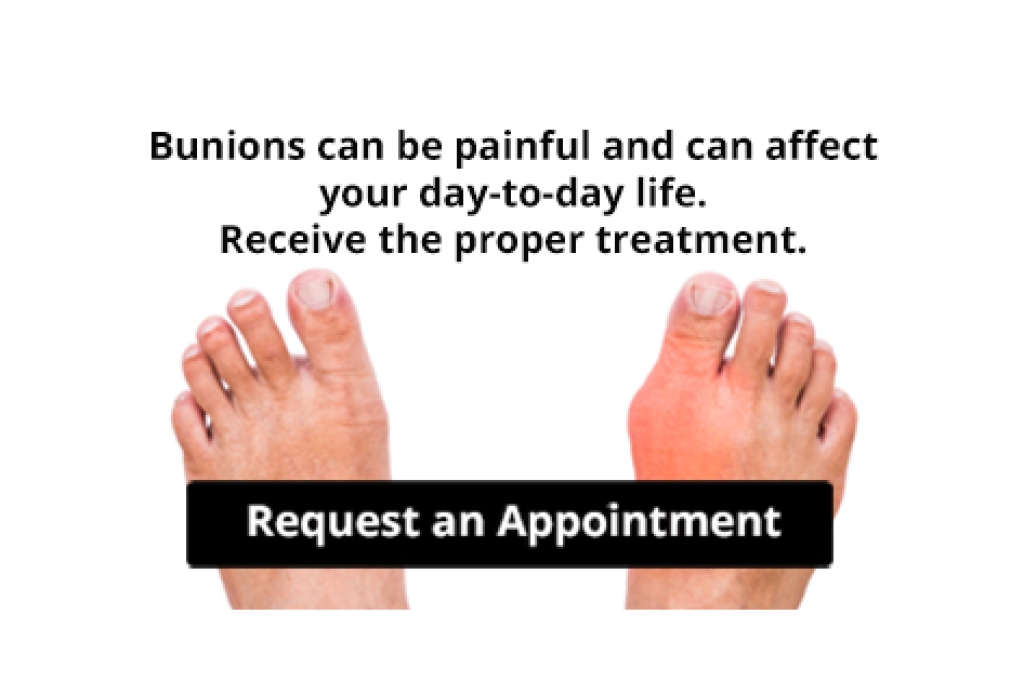
Are Bunions Affecting Your Everyday Life?

Have you noticed a bony protrusion on the side of your big toe? If so, you may have developed the foot condition known as a bunion. Don't let bunions interfere with your daily activities.

Advanced Podiatric Procedures & Services in the Lake County and Cuyahoga County, OH areas