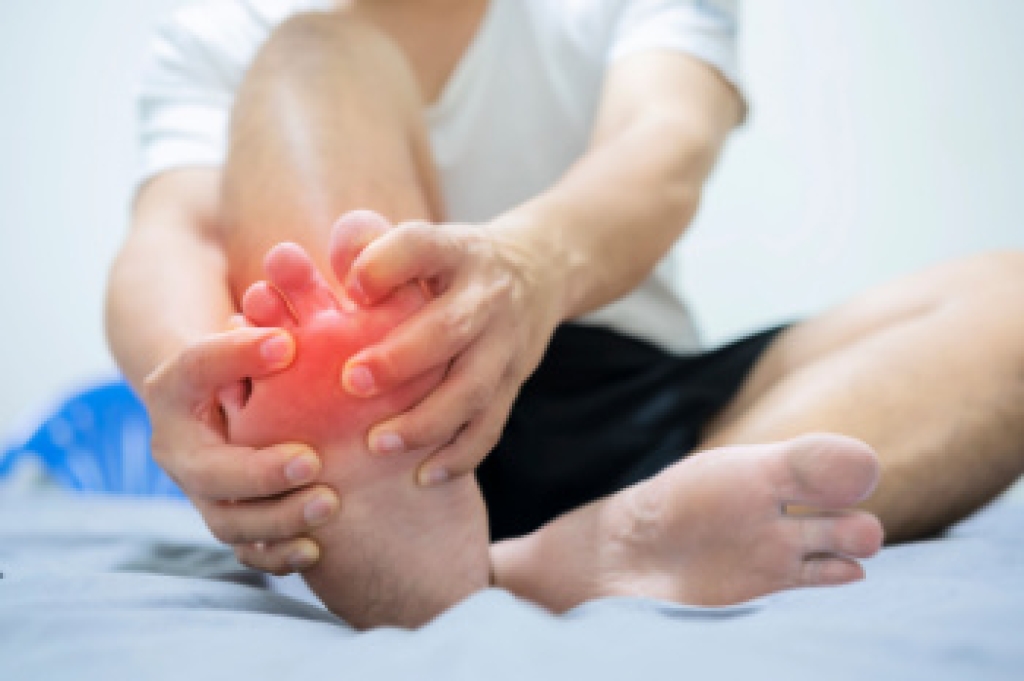
What Causes Toe Pain

Toe pain can significantly disrupt day to day activities, so it is important to gain clarity on the source of the pain to get proper treatment. One common reason for toe pain is wearing improper footwear. Shoes that are too tight or narrow lead to pressure and discomfort on the toes. If there is pain surrounding the edge of the toenail, a potential cause of the pain is an ingrown toenail. Athletes may experience toe pain due to repetitive stress or strain on the feet during sports activities. Conditions like bunions or hammertoes, where the bones or joints in the toes become misaligned, can also cause significant discomfort. Sudden and severe pain in the big toe joint can be a symptom of gout. There are also other possible causes of toe pain. If you are experiencing persistent toe pain, it is suggested you schedule an appointment with a podiatrist who can identify the source and offer correct treatment methods.

Toe pain can disrupt your daily activities. If you have any concerns, contact Kelly Whaley, DPM of Ohio. Our doctor can provide the care you need to keep you pain-free and on your feet.

What Causes Toe Pain?

Most severe toe pain is caused due to a sports injury, trauma from dropping something heavy on the toe, or bumping into something rigid. Other problems can develop over time for various reasons.

Toe pain can be caused by one or more ailments. The most common include:

  • Trauma
  • Sports injury
  • Wearing shoes that are too tight
  • Arthritis
  • Gout
  • Corns and calluses
  • Hammertoe
  • Bunions
  • Blisters
  • Ingrown toenails
  • Sprains
  • Fractures (broken bones)
  • Dislocations

When to See a Podiatrist

  • Severe pain
  • Persistent pain that lasts more than a week
  • Signs of infection
  • Continued swelling
  • Pain that prevents walking

Diagnosis

In many cases the cause of toe pain is obvious, but in others, a podiatrist may want to use more advanced methods to determine the problem. These can range from simple visual inspections and sensation tests to X-rays and MRI scans. Prior medical history, family medical history, and any recent physical traumatic events will all be taken into consideration for a proper diagnosis.

Treatment

Treatments for toe pain and injuries vary and may include shoe inserts, padding, taping, medicines, injections, and in some cases, surgery. If you believe that you have broken a toe, please see a podiatrist as soon as possible.

If you have any questions please contact our office located in Willoughby, OH . We offer the newest diagnostic and treatment technologies for all your foot and ankle needs.
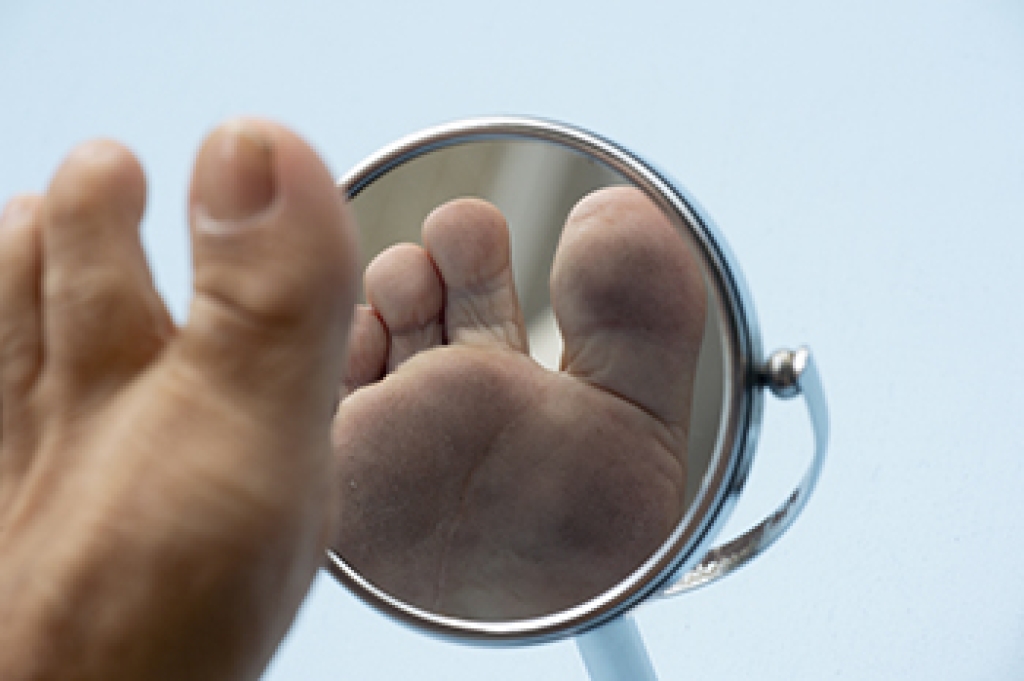

Read more about Toe Pain

Past, Present, and Future of Diabetic Foot Ulcer Treatment

The surge in global diabetes has led to a rise in diabetic foot ulcers, posing significant health challenges. In the mid-19th century, Marchal de Calvi and Thomas Hodgkin identified the link between diabetes and foot gangrene, paving the way for pioneering treatments like Frederick Treves' sharp debridement method. Treves emphasized pressure relief and patient education. The discovery of insulin in the 20th century improved diabetic patients' lives but also increased foot disease cases. Elliot Joslin established the first foot clinic in 1928, advocating a multidisciplinary approach. Penicillin's discovery in 1928 revolutionized infection treatment, reducing amputation rates. Revascularization techniques and limb salvage became critical, with Frank Wheelock pioneering bypass grafts. Topical negative pressure therapy emerged in the 1990s, aiding wound healing. Despite advancements, chronic diabetic ulcers remain a challenge, with ongoing research for new treatments. Current treatment involves a multidisciplinary approach, controlling diabetes, and utilizing various wound care methods. Challenges persist, underscoring the importance of diabetics scheduling routine appointments with a podiatrist for foot examinations and specialized care.

Wound care is an important part in dealing with diabetes. If you have diabetes and a foot wound or would like more information about wound care for diabetics, consult with Kelly Whaley, DPM from Ohio. Our doctor will assess your condition and provide you with quality foot and ankle treatment.

What Is Wound Care?

Wound care is the practice of taking proper care of a wound. This can range from the smallest to the largest of wounds. While everyone can benefit from proper wound care, it is much more important for diabetics. Diabetics often suffer from poor blood circulation which causes wounds to heal much slower than they would in a non-diabetic. 

What Is the Importance of Wound Care?

While it may not seem apparent with small ulcers on the foot, for diabetics, any size ulcer can become infected. Diabetics often also suffer from neuropathy, or nerve loss. This means they might not even feel when they have an ulcer on their foot. If the wound becomes severely infected, amputation may be necessary. Therefore, it is of the upmost importance to properly care for any and all foot wounds.

How to Care for Wounds

The best way to care for foot wounds is to prevent them. For diabetics, this means daily inspections of the feet for any signs of abnormalities or ulcers. It is also recommended to see a podiatrist several times a year for a foot inspection. If you do have an ulcer, run the wound under water to clear dirt from the wound; then apply antibiotic ointment to the wound and cover with a bandage. Bandages should be changed daily and keeping pressure off the wound is smart. It is advised to see a podiatrist, who can keep an eye on it.

If you have any questions please contact our office located in Willoughby, OH . We offer the newest diagnostic and treatment technologies for all your foot and ankle needs.
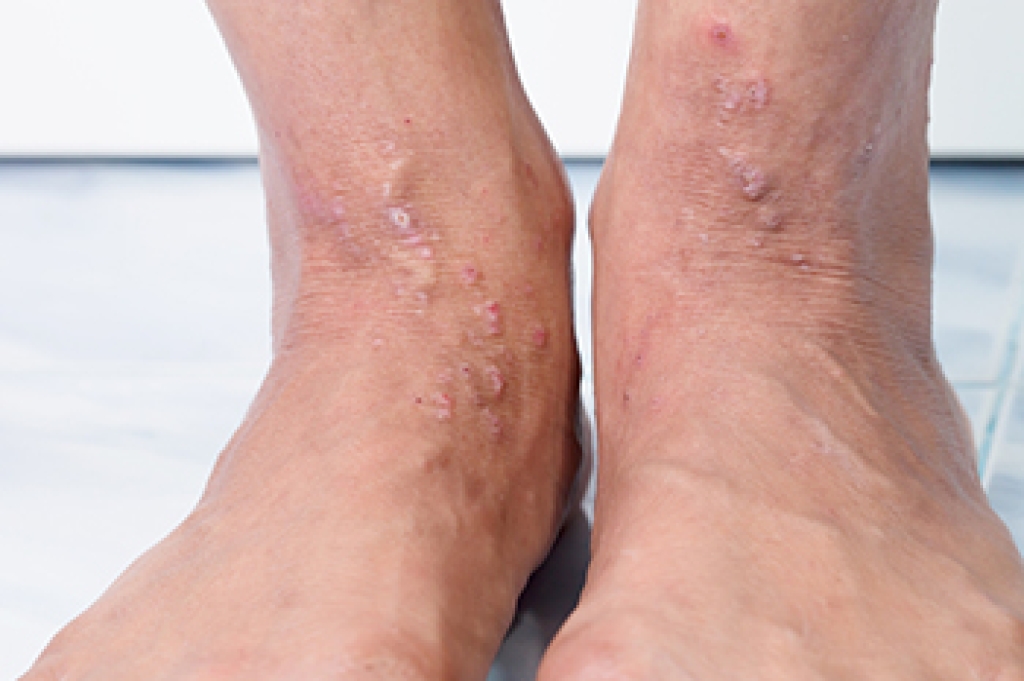
Read more about Wound Care

Foot Concerns in Children

Foot conditions in children can arise for a variety of reasons, often requiring attention and intervention to ensure optimal foot health and development. Flat feet, a condition where the arches of the feet are lower than usual, are a common concern among children. While flat feet often resolve on their own as the child grows, persistent issues may require orthotic intervention to provide support and promote proper alignment. Another prevalent issue is ingrown toenails, which occur when the edge of the toenail grows into the surrounding skin, causing pain and discomfort. Wearing tight or improperly fitted footwear is a common culprit behind ingrown toenails. Additionally, conditions such as plantar warts, athlete's foot, and foot deformities such as bunions or hammertoes may affect children's feet. Regular foot inspections, proper footwear, and seeking prompt medical attention from a podiatrist for any concerning symptoms are essential practices to address foot problems in children. If you are concerned about your children’s feet, it is suggested that you consult a podiatrist who can ease your mind while pinpointing and treating the specific condition.

Making sure that your children maintain good foot health is very important as they grow. If you have any questions, contact Kelly Whaley, DPM of Ohio. Our doctor can provide the care you need to keep you pain-free and on your feet.

Keeping Children's Feet Healthy

Having healthy feet during childhood can help prevent medical problems later in life, namely in the back and legs. As children grow, their feet require different types of care. Here are some things to consider...

Although babies do not walk yet, it is still very important to take care of their feet.

Avoid putting tight shoes or socks on his or her feet.

Allow the baby to stretch and kick his or her feet to feel comfortable.

As a toddler, kids are now on the move and begin to develop differently. At this age, toddlers are getting a feel for walking, so don’t be alarmed if your toddler is unsteady or ‘walks funny’. 

As your child gets older, it is important to teach them how to take care of their feet.

Show them proper hygiene to prevent infections such as fungus.

Be watchful for any pain or injury.

Have all injuries checked by a doctor as soon as possible.

Comfortable, protective shoes should always be worn, especially at play.

If you have any questions, please feel free to contact our office located in Willoughby, OH . We offer the newest diagnostic and treatment technologies for all your foot care needs.

Read more about What to Do to Keep Your Child’s Feet Healthy

Buschke-Ollendorff Syndrome and the Feet

Buschke-Ollendorff syndrome, or BOS, manifests with distinctive symptoms that can affect the feet. This rare condition combines skin and bone abnormalities and is characterized by skin lesions and bone spots on the feet. Skin lesions result from connective tissue irregularities and appear as spots, while bone spots are painless areas of heightened bone density, detectable through X-rays. Symptoms usually begin in childhood, and although the skin lesions may progress with age, they typically do not lead to additional health concerns. However, in rare instances, BOS can advance to melorheostosis, causing abnormal bone growth, potentially resulting in bone pain and deformities within the feet. Diagnosis hinges on clinical examination, imaging studies, and genetic testing. If you have foot pain of any type, it is suggested that you schedule an appointment with a podiatrist for a proper diagnosis and appropriate treatment.

Some foot conditions may require additional professional care. If you have any concerns, contact Kelly Whaley, DPM of Ohio. Our doctor can provide the care you need to keep you pain-free and on your feet.

Rare Foot Conditions

The majority of foot conditions are common and can be treated by a podiatrist.  Standard diagnostic procedures are generally used to identify specific conditions and treatment can be rendered. A podiatrist also treats rare foot conditions which can be difficult to diagnose and may need extra attention and care. 

There are many rare foot conditions that can affect children. Some of these can include:

  • Freiberg’s disease
  • Kohler’s disease
  • Maffucci syndrome

Freiberg’s disease - This can be seen as a deterioration and flattening of a metatarsal bone that exists in the ball of the foot. It typically affects pre-teen and teenage girls, but can affect anyone at any age. Symptoms that can accompany this can be swelling, stiffness, and the patient may limp. 

Kohler’s disease - This often targets the bone in the arch of the foot and affects younger boys. It can lead to an interruption of the blood supply which ultimately can lead to bone deterioration. The patient may limp or experience tenderness, swelling, and redness.

Maffucci syndrome - This affects the long bones in a child’s foot leading to the development of abnormal bone lesions. They are benign growths and typically develop in early childhood and the bones may be susceptible to breaking. 

A podiatrist can properly diagnose and treat all types of rare foot conditions. If your child is affected by any of these symptoms or conditions, please don’t hesitate to call our office so the correct treatment method can begin.

If you have any questions, please feel free to contact our office located in Willoughby, OH . We offer the newest diagnostic and treatment technologies for all your foot care needs.

Read more about Rare Foot Conditions

Plantar Warts Can Be Treated!

Plantar warts are small growths that develop on parts of the feet that bear weight. They're typically found on the bottom of the foot. Don't live with plantar warts, and call us today!

Advanced Podiatric Procedures & Services in the Lake County and Cuyahoga County, OH areas