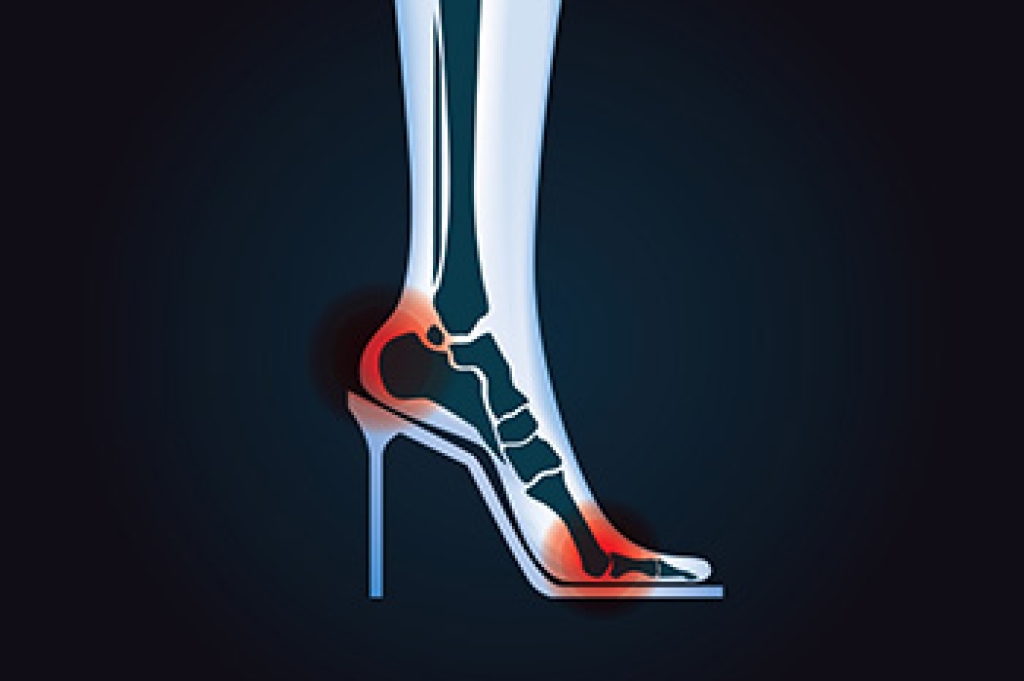
Strong Feet May Help the Overall Body

The overall health of the body may improve when the feet feel good. This can be accomplished by performing specific foot stretches that may help foot strength and flexibility. Research has shown that strong feet may reduce the chances of falling and getting hurt, and exercises and foot stretches can be practiced several days per week. An effective stretch is called the toe raise, point and curl stretch, and can be performed while sitting in a chair. This is done by curling the toes under the feet, followed by lifting them up. The toes can become stronger while spreading them as far apart as possible, which is effective in strengthening the muscles and tendons between the toes. A toe curl is done by picking up a towel or marble with the toes, releasing, and then repeated several times. The big toe is important in maintaining balance in the body, and can be strengthened by pulling it forward and back. If you would like to learn about additional ways to stretch the feet, please consult with a podiatrist who can guide you toward the correct techniques.

Stretching the feet is a great way to prevent injuries. If you have any concerns with your feet consult with Kelly Whaley, DPM from Ohio. Our doctor will assess your condition and provide you with quality foot and ankle treatment.

Stretching the Feet

Being the backbone of the body, the feet carry your entire weight and can easily become overexerted, causing cramps and pain. As with any body part, stretching your feet can serve many benefits. From increasing flexibility to even providing some pain relief, be sure to give your feet a stretch from time to time. This is especially important for athletes or anyone performing aerobic exercises, but anyone experiencing foot pain or is on their feet constantly should also engage in this practice.

Great ways to stretch your feet:

  • Crossing one leg over the others and carefully pull your toes back. Do 10-20 repetitions and repeat the process for each foot
  • Face a wall with your arms out and hands flat against the wall. Step back with one foot and keep it flat on the floor while moving the other leg forward. Lean towards the wall until you feel a stretch. Hold for 30 seconds and perform 10 repetitions for each foot
  • Be sure not to overextend or push your limbs too hard or you could risk pulling or straining your muscle

Individuals who tend to their feet by regular stretching every day should be able to minimize foot pain and prevent new problems from arising.

If you have any questions please contact our office located in Willoughby, OH . We offer the newest diagnostic and treatment technologies for all your foot and ankle needs.

Read more about Stretching Your Feet

All About the Hindfoot

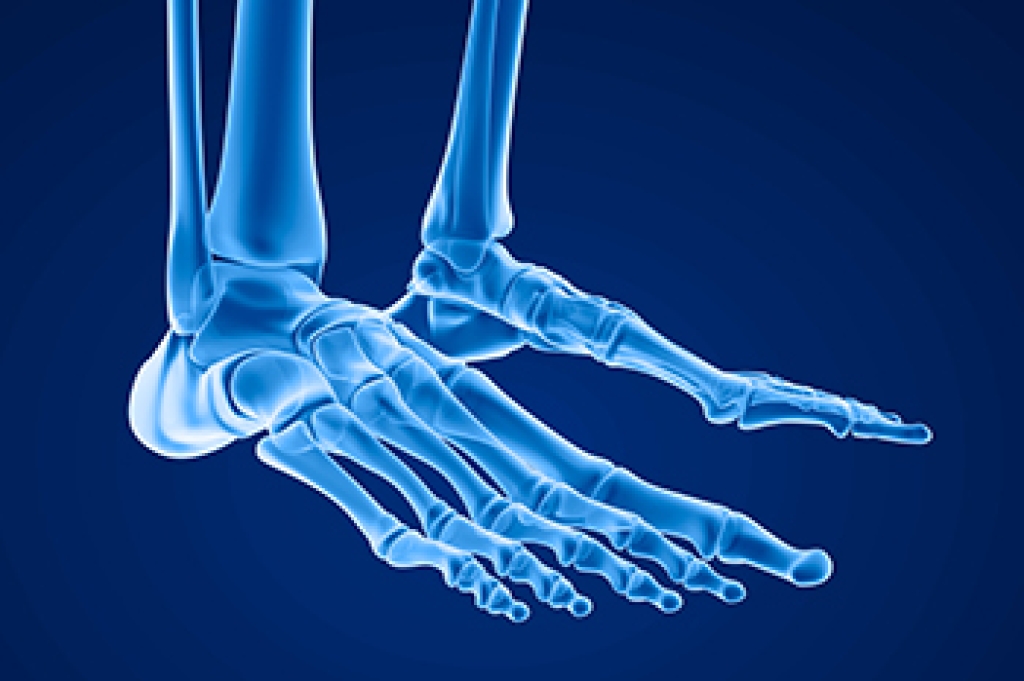
The human foot is a complex structure that contains a plethora of different bones, ligaments, and muscles. One way that medical professionals distinguish between different parts of the human foot is by using specific terminology to refer to distinct parts of the foot. For example, the hindfoot is a word used to refer to the back portion of the foot. This part of the foot contains the ankle and heel bone, and other joints like the subtalar and talocrural joints. The hind foot is often contrasted with the midfoot and the forefoot. Whereas the hindfoot has larger bones and more ligaments and tendons than the forefoot, it has a smaller amount of bones. If you are interested in learning more about the intricacies of the human foot, contact a podiatrist today.

If you have any concerns about your feet, contact Kelly Whaley, DPM from Ohio. Our doctor can provide the care you need to keep you pain-free and on your feet.

Biomechanics in Podiatry

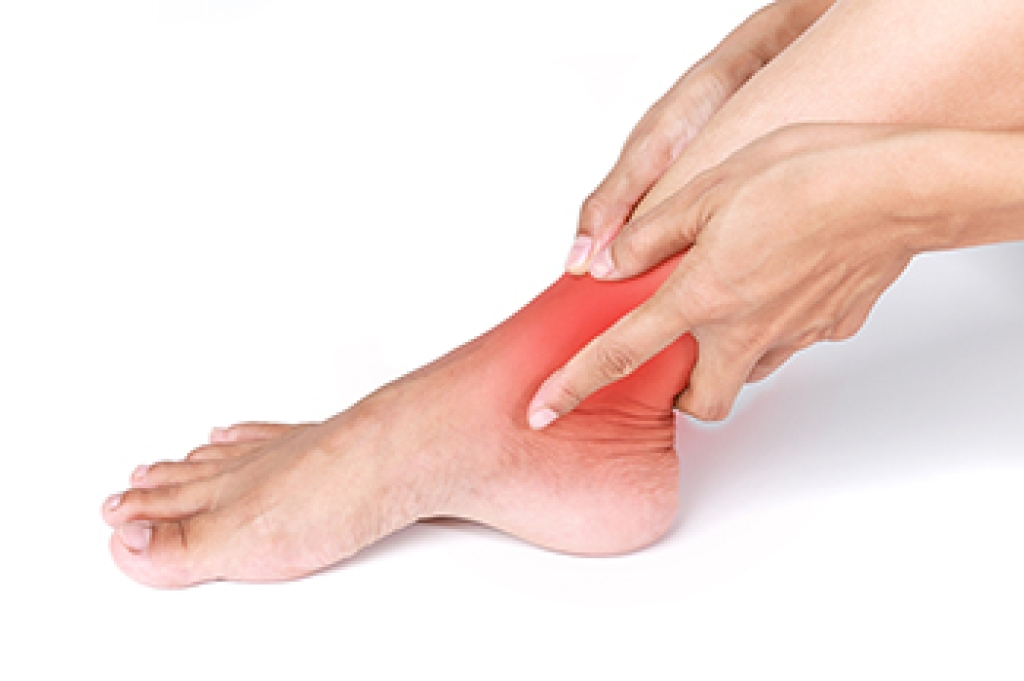
Podiatric biomechanics is a particular sector of specialty podiatry with licensed practitioners who are trained to diagnose and treat conditions affecting the foot, ankle and lower leg. Biomechanics deals with the forces that act against the body, causing an interference with the biological structures. It focuses on the movement of the ankle, the foot and the forces that interact with them.

A History of Biomechanics

  • Biomechanics dates back to the BC era in Egypt where evidence of professional foot care has been recorded.
  • In 1974, biomechanics gained a higher profile from the studies of Merton Root, who claimed that by changing or controlling the forces between the ankle and the foot, corrections or conditions could be implemented to gain strength and coordination in the area.

Modern technological improvements are based on past theories and therapeutic processes that provide a better understanding of podiatric concepts for biomechanics. Computers can provide accurate information about the forces and patterns of the feet and lower legs.

Understanding biomechanics of the feet can help improve and eliminate pain, stopping further stress to the foot.

If you have any questions please feel free to contact our office located in Willoughby, OH . We offer the newest diagnostic and treatment technologies for all your foot and ankle needs.
Read more about Biomechanics in Podiatry

What Is an Avulsion Fracture of the Ankle?

One common ankle injury is an avulsion fracture. This occurs when a ligament or tendon tears off a portion of the bone. An avulsion fracture is commonly the result of a trauma or fall. While some avulsion fractures may require surgery, that determination depends on how far the bone fragment is pulled from the rest of the bone. Falling on the pavement or ice, turning too quickly, or even getting hit by a baseball can cause an avulsion fracture. Symptoms of an avulsion fracture include sharp pain in the fractured joint, especially if you try to move it. Other symptoms are swelling, bruising, and limited mobility. The severity of an avulsion fracture is generally determined by taking an X-ray. Treatment will depend on the extent of the injury, ranging from rest and elevation and strengthening exercises to surgery. In some cases, pins may need to be used to stabilize the joint and hasten recovery. In more serious injuries, a cast may be required. If you have injured your ankle, please visit a podiatrist as soon as possible for immediate treatment. 

Broken ankles need immediate treatment. If you are seeking treatment, contact Kelly Whaley, DPM from Ohio. Our doctor can provide the care you need to keep you pain-free and on your feet. 

Broken Ankles
A broken ankle is experienced when a person fractures their tibia or fibula in the lower leg and ankle area. Both of these bones are attached at the bottom of the leg and combine to form what we know to be our ankle.

When a physician is referring to a break of the ankle, he or she is usually referring to a break in the area where the tibia and fibula are joined to create our ankle joint. Ankles are more prone to fractures because the ankle is an area that suffers a lot of pressure and stress. There are some obvious signs when a person experiences a fractured ankle, and the following symptoms may be present.

Symptoms of a Fractured Ankle

  • Excessive pain when the area is touched or when any pressure is placed on the ankle
  • Swelling around the area
  • Bruising of the area
  • Area appears to be deformed

If you suspect an ankle fracture, it is recommended to seek treatment as soon as possible. The sooner you have your podiatrist diagnose the fracture, the quicker you’ll be on the way towards recovery.

If you have any questions, please feel free to contact our office located in Willoughby, OH . We offer the newest diagnostic and treatment technologies for all your foot care needs.

Read more about All About Broken Ankles

Ankle Pain Without Injury

If you experience pain in your ankle and there is no obvious reason for it, you might feel perplexed. Among other things, ankle pain can result from arthritis, an autoimmune condition, fallen arches, or an underlying cause you are unaware of, or does not seem to be connected to the ankle. With osteoarthritis, the cartilage that cushions two bones erodes causing the bones to rub together. With rheumatoid arthritis, the body’s immune system attacks healthy tissue, including the lining of ankle joints. Reactive arthritis is when a bacterial infection in another part of the body triggers an arthritic response in other parts of the body, like the ankle. All types of arthritis can cause the ankle to feel painful, stiff, swollen, or tender. Fallen arches are when the tendons supporting the arches of the feet get damaged and can also cause ankle pain. The best treatment for unexplained ankle pain will be based on its root cause. Do not hesitate to reach out to a podiatrist for a proper diagnosis and treatment.

Ankle pain can be caused by a number of problems and may be potentially serious. If you have ankle pain, consult with Kelly Whaley, DPM from Ohio. Our doctor will assess your condition and provide you with quality foot and ankle treatment.

Ankle pain is any condition that causes pain in the ankle. Due to the fact that the ankle consists of tendons, muscles, bones, and ligaments, ankle pain can come from a number of different conditions.

Causes

The most common causes of ankle pain include:

  • Types of arthritis (rheumatoid, osteoarthritis, and gout)
  • Ankle sprains
  • Broken ankles
  • Achilles tendonitis
  • Achilles tendon rupture
  • Stress fractures
  • Bursitis
  • Tarsal tunnel syndrome
  • Plantar fasciitis

Symptoms

Symptoms of ankle injury vary based upon the condition. Pain may include general pain and discomfort, swelling, aching, redness, bruising, burning or stabbing sensations, and/or loss of sensation.

Diagnosis

Due to the wide variety of potential causes of ankle pain, podiatrists will utilize a number of different methods to properly diagnose ankle pain. This can include asking for personal and family medical histories and of any recent injuries. Further diagnosis may include sensation tests, a physical examination, and potentially x-rays or other imaging tests.

Treatment

Just as the range of causes varies widely, so do treatments. Some more common treatments are rest, ice packs, keeping pressure off the foot, orthotics and braces, medication for inflammation and pain, and surgery.

If you have any questions please feel free to contact our office located in Willoughby, OH . We offer the newest diagnostic tools and technology to treat your foot and ankle needs.

Read more about Various Causes of Ankle Pain

How to Minimize Sore Feet From High Heels

There are many people who choose to frequently wear high heels, often producing sore feet at the end of the day. It is a common side effect that may be remedied by wearing high heels that have a lower heel. Some of the conditions that may occur from wearing high heels can be quite uncomfortable, including blisters, corns, and bunions. Additionally, the heel may be affected by plantar fasciitis, which can happen from having inadequate support in the arch area. Soaking the feet in warm water may help to relieve existing swelling and aching muscles. The feet can benefit from performing specific strengthening exercises, consisting of calf and heel stretches. People who continue to enjoy wearing high heels may also benefit from choosing a shoe that is well-cushioned and has maximum support for the entire foot. If you would like more information about what kind of high heels to wear that may help to minimize foot pain, please consult with a podiatrist.

High heels have a history of causing foot and ankle problems. If you have any concerns about your feet or ankles, contact Kelly Whaley, DPM from Ohio. Our doctor can provide the care you need to keep you pain-free and on your feet.

Effects of High Heels on the Feet

High heels are popular shoes among women because of their many styles and societal appeal.  Despite this, high heels can still cause many health problems if worn too frequently.

Which Parts of My Body Will Be Affected by High Heels?

  • Ankle Joints
  • Achilles Tendon – May shorten and stiffen with prolonged wear
  • Balls of the Feet
  • Knees – Heels cause the knees to bend constantly, creating stress on them
  • Back – They decrease the spine’s ability to absorb shock, which may lead to back pain.  The vertebrae of the lower back may compress.

What Kinds of Foot Problems Can Develop from Wearing High Heels?

  • Corns
  • Calluses
  • Hammertoe
  • Bunions
  • Morton’s Neuroma
  • Plantar Fasciitis

How Can I Still Wear High Heels and Maintain Foot Health?

If you want to wear high heeled shoes, make sure that you are not wearing them every day, as this will help prevent long term physical problems.  Try wearing thicker heels as opposed to stilettos to distribute weight more evenly across the feet.  Always make sure you are wearing the proper shoes for the right occasion, such as sneakers for exercising.  If you walk to work, try carrying your heels with you and changing into them once you arrive at work.  Adding inserts to your heels can help cushion your feet and absorb shock. Full foot inserts or metatarsal pads are available. 

If you have any questions, please feel free to contact our office located in Willoughby, OH . We offer the newest diagnostic and treatment technologies for all your foot care needs.

Read more about Effect of High Heels on the Feet

Advanced Podiatric Procedures & Services in the Lake County and Cuyahoga County, OH areas